

9 Things You Shouldn't Sell Before Retirement

As retirement draws near, it makes sense to take a closer look at your assets to see what you should hold onto versus what you can afford to get rid of — especially if you're looking to boost your net worth. While the exact amount you should save for retirement can vary, according to SmartAsset, someone entering their 60s who's used to a household income of around $75,000 per year would want between $415,000 and $825,000 saved up to ensure they'll be able to maintain their current living standards.
Those who aren't quite there with their savings may be inclined to start selling off some of their financial assets to close the gap. However, while selling some items might make sense, you shouldn't start indiscriminately getting rid of everything you have that's valuable or does not seem worth managing in retirement. In fact, there are some assets that are absolutely worth holding onto post retirement. First, consider that the U.S. cost of living continues to rise, meaning you may find your retirement savings won't stretch as far or as long as you anticipated. Instead of rashly selling off your most valuable assets before you retire, it helps to stop and consider if the move is helpful or even necessary.
There are some assets that might seem like natural candidates for a sale to pad your wallet once you stop working. However, these are nine assets we think you'd benefit from not selling before you retire.
Appreciated stocks
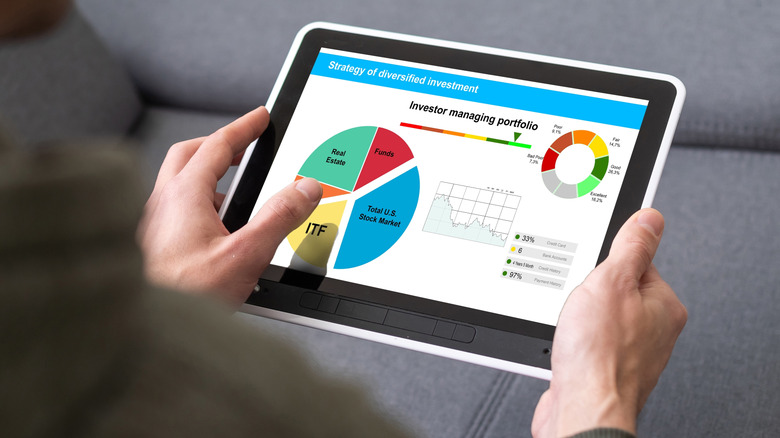
In April 2026, Empower reported the average American investor in their 50s keeps 38% of their portfolio in U.S. stocks with a median value of $367,412. If you have access to tens of thousands of dollars in stock or more, it may seem sensible to sell off those assets for cash. However, this can be a bad move for a number of reasons.
First, when you sell off appreciated stock, you could trigger a capital gains tax. These taxes are incurred when you earn more from a stock than what you originally paid for it. In the case of appreciated stock, how much you'll have to pay will depend on how long you hold onto the stock, as well as your annual income. Depending on these factors, the taxes you pay on your gains could be considerably higher than you might expect.
Instead of trying to sell your appreciated stocks outright, you could save money by playing the waiting game. Short-term gains, the earnings you make from anything held less than a year, are treated as part of your ordinary income. Depending on what tax bracket you're in, that could be a tax rate of up to 37%. But if you hold for longer, you could see many of your assets' capital gains taxes capped at 20%, with some exceptions taxed at an even higher rate. Meanwhile, if your annual income is low enough, you might even see 0% in capital gains taxes.
Precious metals like gold and silver
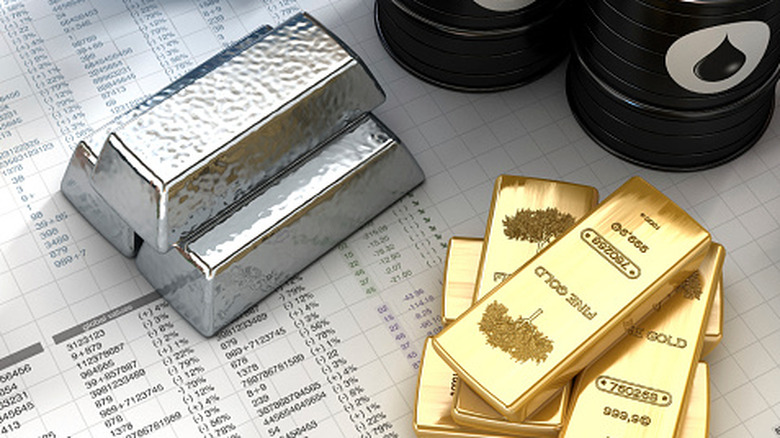
In times of economic uncertainty, people often come to rely on precious metals like gold, silver, and platinum. While some people think physical ownership is the way to go, it's actually quite common to invest in gold IRAs as a method of protecting one's wealth against inflation. With retirement around the corner, some Americans might mistakenly think that it's the perfect time to start selling those precious metals.
However, selling off precious metals or your precious metal stocks could have you dealing with hefty tax liabilities. For instance, selling physical gold and silver you own can result in capital gains taxes of up to 28%. However, getting around the 28% tax liability is possible if you invest in a gold IRA as part of a self-directed investment account.
If you wait to start withdrawing from this IRA until after you reach 59 ½ years in age, you can avoid the 10% early withdrawal penalty that accompanies your income taxes. Beyond that age, your withdrawals get treated like ordinary income, and the extra penalties and taxes usually don't apply. Putting your money in a qualifying gold Roth IRA can also be beneficial, as qualified withdrawals are tax-free.
Bonds reaching maturation
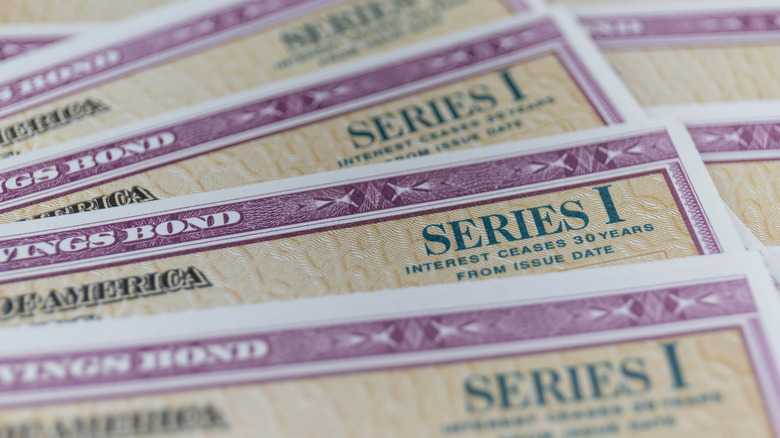
According to the U.S. Department of Treasury, in April 2021, there were about $29 billion in bonds that had reached maturity but remained unclaimed. As of 2026, the National Association of State Treasurers reports the amount has grown to around $32 billion. Hearing this might make some anxious to cash in their nearly mature bonds to avoid missing out. However, you could miss out even more by failing to wait for your bonds to hit full maturation. The trick is understanding the type of bond and exactly how long they take to mature.
In 2026, the U.S. government offers two types of bonds: Series EE and Series I. Series EE bonds are purchased at a specific interest rate that remains the same for 20 years. With Series I bonds, interest rates hold for only six months before they start to vary. However rates will never hit 0%. Both varieties mature and stop accruing interest after 30 years.
Those who opted to buy bonds earlier in their adult life may find it tempting to cash them in sooner than later — especially if the goal is building wealth for retirement. However, it could be to your advantage to wait until after you retire: Holding off on cashing both Series EE and Series I bonds until they reach the 30-year mark will maximize their value, and Series EE bonds are guaranteed to double in value after 20 years.
Your first home or primary residence

One way that people prepare for retirement is by selling off real estate. You may be considering downsizing by selling your home and renting instead, or perhaps your current primary residence is located in a different state from where you plan to retire. Whatever the reason, choosing to sell your first home or primary residence could prove to be a costly error.
First, it's important to consider the state of the housing market before putting a home up for sale: As of September 2026, several authorities have observed that the U.S. housing market had begun to shift in favor of buyers, with Redfin noting sellers outnumbered buyers nationwide by 58% in August. That means that even if you were to put your house up for sale, finding an interested party could prove difficult or mean settling for an amount far below what you originally wanted. Then, there's also the possibility that the market could shift, leaving you to ponder how much money you missed out on due to poor timing.
Aside from a rocky housing market, there's another reason to hold off on trying to sell your home: By the time you retire, you may find having a home means possessing an asset to borrow against in the event of an unforeseen emergency. In short, selling off property for cash isn't something to take lightly. In some cases, one of the best ways to protect yourself in retirement may be to hold onto your primary residence for as long as possible.
Rental properties

A rental property owner nearing retirement may be inclined to offload their rental portfolio for reasons similar to the ones driving people to sell their primary residences. Selling real estate you don't live in can seem like an effective way to downsize, or spare you from the responsibility of maintaining the property. Being a landlord is admittedly a serious responsibility and a potential source of stress. That said, choosing to sell your rental properties might be a serious misstep.
According to a 2026 report by IProperty Management, landlords collected $428 billion worth of rent in 2024 alone. That same year, landlords reported their rental properties generated an average income of $16,166. How much or how little you earn will generally depend on factors like the size and location of your property. Still, having at least several extra thousand dollars per year in post-retirement income can make the difference between living comfortably and pinching pennies amid rising living costs.
It would make sense to get rid of a rental that isn't profitable, but if you find your property or properties too much to manage on your own, there may be another solution: You could hire a property manager to take on some of the day-to-day responsibilities a landlord would usually handle. Assuming your rental profits exceed the rate the manager charges, going this route could allow you to carry additional income into retirement.
Health savings accounts

For some savvy Americans, having a health savings account (HSA) is not just useful for covering medical expenses; it's a method for building wealth long-term. As you get older, the notion of taking money out of your HSA — one of the worst savings accounts to inherit — to bolster the cash you have on hand ahead of retirement may seem more attractive. However, there are a few reasons to strongly reconsider this move.
First is that you'll also face a 20% tax penalty should you take money out of an HSA before turning 65. Practically the only way to avoid this fine before the age of 65 is to take money out of your HSA for medical reasons. That includes qualified expenses like health insurance deductibles, dentist appointments, or medication. Outside these very narrow circumstances, you'll find yourself incurring otherwise completely avoidable expenses.
When you choose to withdraw cash inside your HSA investments after turning 65, you can use the money for nonmedical reasons with no penalties. It's also worth noting that the money taken from your HSA after reaching your qualifying retirement age remains tax-free if you continue to use it for medical expenses. Even after 65, you have to pay income tax on money you take out of an HSA that you don't use for healthcare. As such, sticking to medical withdrawals exclusively — especially before retirement — will ensure you get the most out of your HSA contributions.
Life insurance policies

Life insurance policies can be a major expense, and as you get your finances in order ahead of retirement, you could consider selling it in a process known as a life insurance settlement. Also known as a life settlement, this works by transferring ownership of the policy to a buyer in exchange for a cash payment. Whoever buys your policy can collect from it once you pass on.
This may seem like a fairly straightforward way to both cut down on living expenses and earn some extra cash, but it might not be the best move for everyone. For one thing, certain policy types — such as term life insurance — can be a lot harder to sell than permanent life insurance plans, if not outright impossible. Additionally, you need not completely sell off your life insurance policy to benefit from it financially: Instead of a sale, consider borrowing against the policy. When you get this type of loan, you still own the policy, and the process is actually tax-free. There may be interest payments, but at least you have the option to pay down and keep the policy.
Another reason to avoid selling your life insurance is if you have beneficiaries. By setting up life insurance, you are helping loved ones cover funeral arrangements and other expenses that come with bereavement. When you get rid of a policy prior to passing away, you create the risk that surviving family and friends may be burdened with bills the policy's payment could have otherwise helped cover.
Annuity payments

Annuities are a common arrangement in which you make an upfront payment to an insurance company in exchange for regular payments for a set period or the rest of your life. And while it is possible to sell that contract in exchange for a larger lump-sum payment, that's not always in your best interest.
The notion of having your funds fully disbursed up front to manage however you want can certainly be appealing. However, there are downsides that come with lump-sum payouts you can avoid by not selling off your annuity payments. First is taxation: By receiving a single large payment, the amount will usually trigger a one-time tax obligation. Depending on the amount you receive, that could push your income for the year into a higher tax bracket than you're used to. Yes, you only pay once, but it's a sizable chunk of your money.
It's also worth considering the fact that, over time, selling for a lump sum instead of continuing to receive regular payments could cost you. Though the exact rates can vary, it's common for parties that buy annuities to pay considerably less than what the contract is worth over all. By sticking to your annuity payments, the tax obligation is spread out neatly over a period of years. Additionally, should you decide to put your payments into a high-yield savings account or 401(k), it becomes a way to increase your wealth over time in addition to acting as an additional source of income.
Valuable antiques & memorabilia

According to data compiled by Visa Business and Economic Insights, Baby Boomers are expected to transfer $36 trillion worth of assets to Gen X and Millennials by 2046. But in addition to money, stocks, and real estate, some of the wealth being passed down takes the form of antiques and memorabilia. Even though some of these items are perceived as valuable to older Americans, they may not always be well received by those meant to inherit them.
This ongoing era is known as "The Great Stuff Transfer," and it may leave you holding onto a range of material goods that you don't know what to do with or outright don't want. Before you give into your instinct to just get rid of everything on Facebook Marketplace, it's a good idea to reconsider. Whether you've received one of these items from someone else, or question whether something that's already in your possession is worth passing on to a loved one, there's always a possibility that hidden among what you consider to be junk may be a rare item that's worth a small fortune.
There are a couple risks that come with selling antiques of this nature: For one thing, unless you get it properly appraised, you could risk selling it for considerably less than it's worth. And even if you know its value, selling inherited collectibles can leave you on the hook for considerable capital gains. Finally, regardless of the money involved, you may come to regret selling a family heirloom or piece of unique memorabilia for purely sentimental reasons.