

10 Pacific Northwest Cities For A Retiree, Ranked Worst To Best
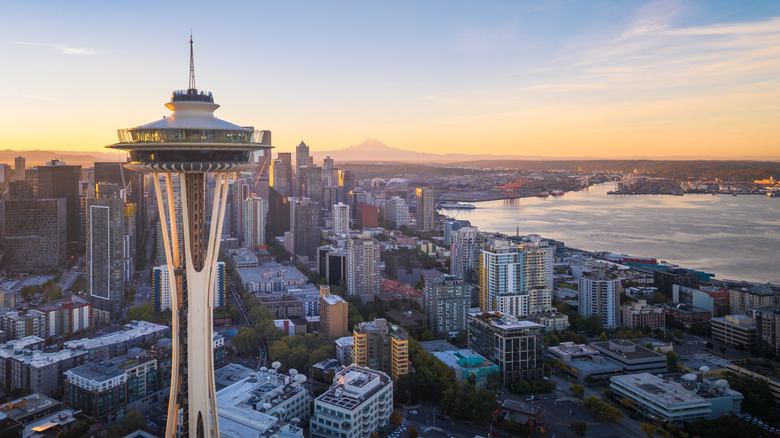
The Pacific Northwestern United States is uniquely beautiful. It's home to temperate rainforests that span parts of Northern California and extend north into Alaska. Though what constitutes the Pacific Northwest (PNW) has traditionally been limited to Washington, Oregon, and parts of Idaho, definitions based on culture and climate can make the region a little wider than you might think.
For retirees who have their hearts set on settling in any part of the PNW, finding the right city means making sure the area is affordable. This could prove challenging. SoFi Bank, using United States Census Bureau and Missouri Economic Research and Information Center (MERIC) data, found Washington has the ninth-highest cost of living in the country. While some may argue over whether parts of Alaska belong in the Pacific Northwest, there's no arguing about how expensive the state is. Per SoFi, it ranks fifth in the nation for living costs.
Even if you find a pocket of the PNW that's affordable on paper, there may be other factors, from crime to poor walkability, that make it a poor fit. The good news is that there are still Pacific Northwest cities that can work for retirees. With this in mind, here's our list of Pacific Northwest cities for retirees, ranked from worst to best.
Sunnyside, Washington
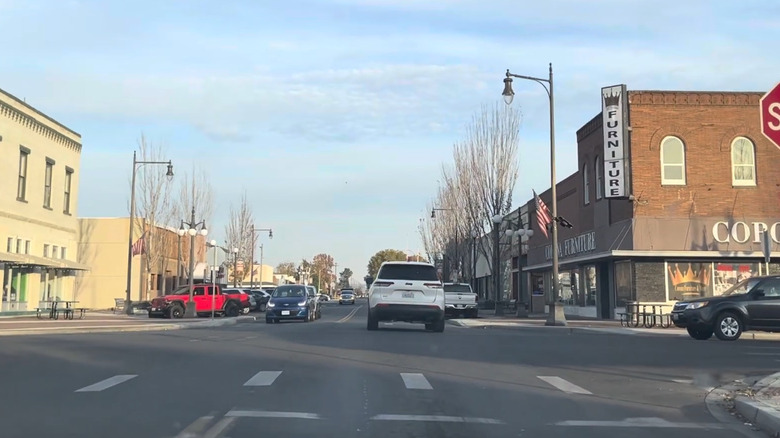
Sunnyside may cross your radar as a Pacific Northwest city that would be a great retirement destination. It does potentially work as a cost-friendly option, having previously earned the title of cheapest city in Washington. Even as inflation rises, Sunnyside could still be in the budget of some retirees. BestPlaces estimates that a single person would need an annual income of at least $33,200 to live comfortably here. It's a very small city, with a reported population of 16,430, making it seemingly a good fit for retirees who aren't interested in the hustle and bustle of urban life.
However, there are a couple of issues that Sunnyside has that might make it a poor fit for retirees. Unfortunately, Sunnyside has a crime rate near or even exceeding the national average. This data comes from information shared on sites like Niche and NeighborhoodScout. For instance, Sunnyside is just below the national average in terms of reported theft. The city is notably higher than the U.S. average when it comes to motor vehicle theft in particular. Some violent crimes here also exceed the nationwide average.
Because of the mediocre to poor safety ratings that Sunnyside received, we think that it would be among the worst options for retirees. That said, there are areas of the city that are relatively safe, should you opt to relocate here. According to CrimeGrade, Sunnyside residents feel the western part of town is safe. CrimeGrade also indicates that the risk of being a victim of crime increases in the southern part of town.
Juneau, Alaska
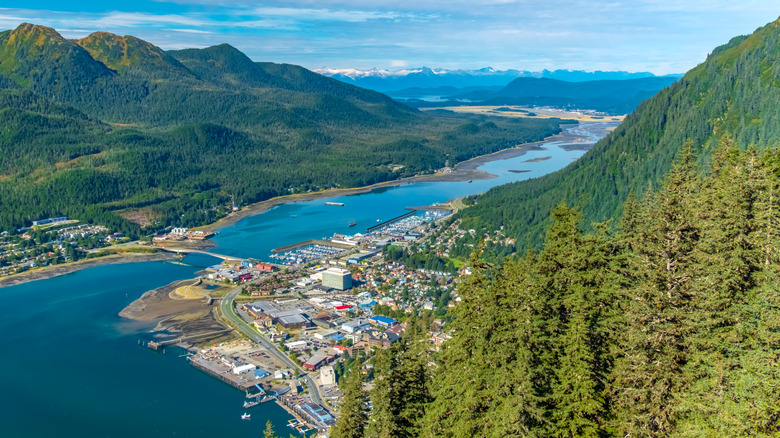
Some might find Juneau's 31,609 population size somewhat modest for a state capital. Yet, Juneau is still the third-largest city in the state by population, behind only Fairbanks and Anchorage. Its location and climate help make the case that the Alaskan city could technically be considered part of the Pacific Northwest. Yet, for retirees who are hoping to move to a more budget-friendly PNW destination, Juneau is going to be one of the worst cities for making this a reality.
First is the cost of living factor. As of July 2026, Sofi Bank ranked Alaska the fifth-most-expensive U.S. state, with estimated living expenses averaging $66,356 per year. It's important to note that U.S. Census Bureau data revealed the median household income for Americans 65 and older is $56,680 per year. For retirees living on incomes near or below that median, Juneau's high cost of living could make it difficult to afford. For example, Apartments.com reported that Juneau residents spend between $896 and $1,811 each month on groceries, with homeowners hit especially hard.
Beyond moving to a state reported to have the second-highest weekly grocery bill, finding affordable housing in Juneau can be quite challenging. Per Apartments.com, Juneau housing is 48.5% more expensive than the national average. In July 2026, Zillow estimated the average Juneau home was valued at $482,863. Renting is also tough here, with apartments costing $1,854 per month on average. Juneau is generally a poor fit for retirees hoping to stretch their savings.
Coeur d'Alene, Idaho
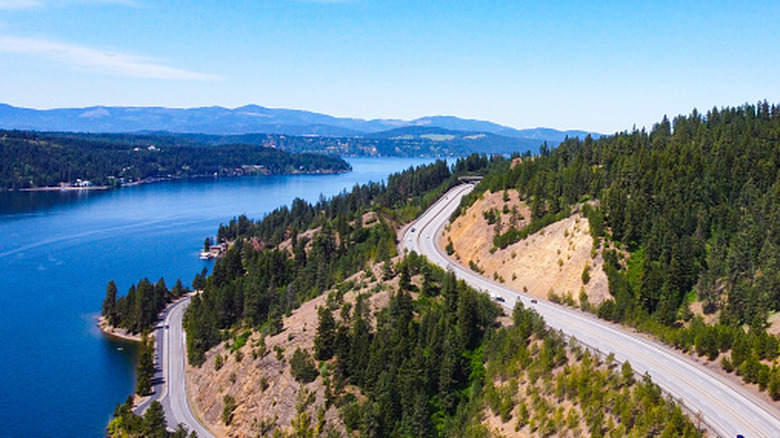
With a reported population of 58,179, Coeur d'Alene is a small Idaho city that we think won't work for retirees. One of the main reasons comes down to affordability. Per BestPlaces, Coeur d'Alene is 15.9% more expensive than the national average while also having a 9.9% higher cost of living than the Idaho average.
BestPlaces also determined that homes in Coeur d'Alene cost $508,200 on average. Zillow estimates were even higher, with homes in the area valued at $607,023 on average as of July 2026. Zillow also found Coeur d'Alene homes had a median sale price of $627,000, suggesting house hunters may face higher purchase prices than the area's average home value. Retirees also may not enjoy much savings should they instead choose to rent. As of August 2026, Apartments.com reported Coeur d'Alene rent prices averaged $1,524 per month. Meanwhile, Zillow estimated the average rent as $1,950 monthly. Price-wise, Apartments.com found 46% of Coeur d'Alene renters pay between $1,501 and $2,000 every month.
If tax-friendliness is a concern, living here is somewhat of a mixed bag. While Idaho doesn't tax Social Security benefits, withdrawals from IRAs and 401(k)s are generally subject to state income tax. Coeur d'Alene likely won't work for retirees with tighter budgets and low retirement savings. However, that doesn't mean it falls outside every retiree's cost range. For example, Tomlinson Sotheby's International Realty claimed this Pacific Northwest city was very affordable for those relocating from most West Coast metros.
Redding, California
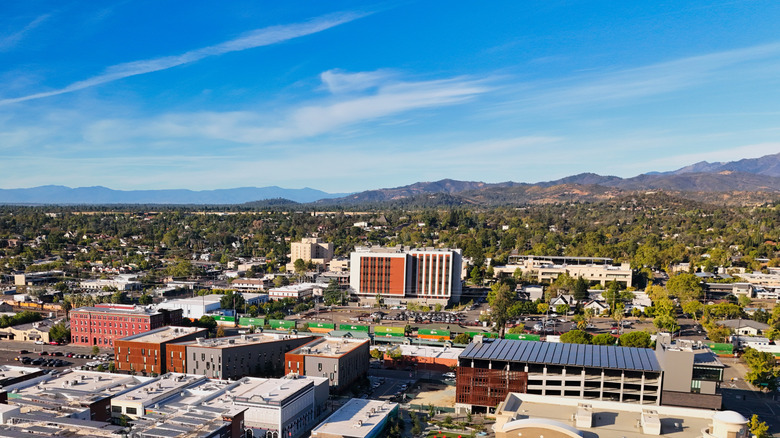
Redding is a city located in the northern part of California, not too far from the Oregon border. At least, it's a much shorter drive to Klamath Falls, just across the state line, than to Sacramento or San Francisco. Redding, with a population of 94,092, is a midsize city that has some potential for interested retirees but might not be a good fit for everyone.
One key factor will be where you're moving from relative to Redding. For native Californians finally ready to retire and move away from the larger cities, Redding may genuinely feel very affordable. The Josh Barker Real Estate blog, for instance, referred to the city as a breath of fresh air, with beautiful scenery, access to nature, and shorter commuting times. Yet, Barker's blog also noted that the median household income for Redding was estimated at between $69,000 to $74,000. This range sits significantly higher than the $56,680 median annual household income for those 65 and older. Somewhat optimistically, BestPlaces estimated that a single person would need an annual income of $42,400 to live comfortably in Redding. Still, it also noted that Redding's cost of living is 7.1% higher than the national average.
Housing costs are also relative. As of July 2026, Zillow reported homes here are valued at $395,544, which is slightly higher than the U.S. average. As for rent, Apartments.com noted the average rental price is $1,172 per month, which is 30% cheaper than the national average as of August 2026. All in all, retirees used to lower costs of living may find Redding is just too expensive.
Port Angeles, Washington
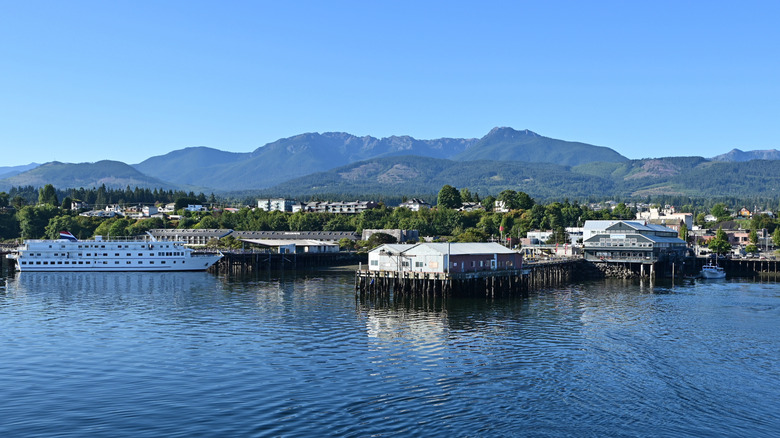
Over a year ago, we reported that Port Angeles was about 2% more affordable than the national average. Though the cost of living has increased across the United States, it at least doesn't seem to have been a drastic adjustment for Port Angeles relative to many other cities. BestPlaces, for instance, notes that Port Angeles is roughly on par with nationwide costs, though it's now slightly (2%) more expensive than the U.S. average. For retirees weighing a move to the Pacific Northwest, Port Angeles is still doable on the right budget with a good amount of retirement savings.
Populated by approximately 20,146 people, Port Angeles is reportedly considered one of the most budget-friendly cities in Washington for retirees. For instance, BestPlaces reported annual living costs of $36,000, or $3,000 per month, for a single person. Relative to larger urban areas and other parts of the state, Port Angeles could fall within the budget of some retirees.
If retirees want to buy a house, Zillow reported in July 2026 that Port Angeles homes are valued at $461,289. This is well above the average U.S. home value of $371,774. Though homeownership may prove too pricey, Port Angeles rentals are much more budget-friendly. Apartments.com determined the average Port Angeles apartment costs just $729 per month as of August 2026. Based on housing and general cost-of-living expectations, we think Port Angeles could work for some retired Americans.
Walla Walla, Washington
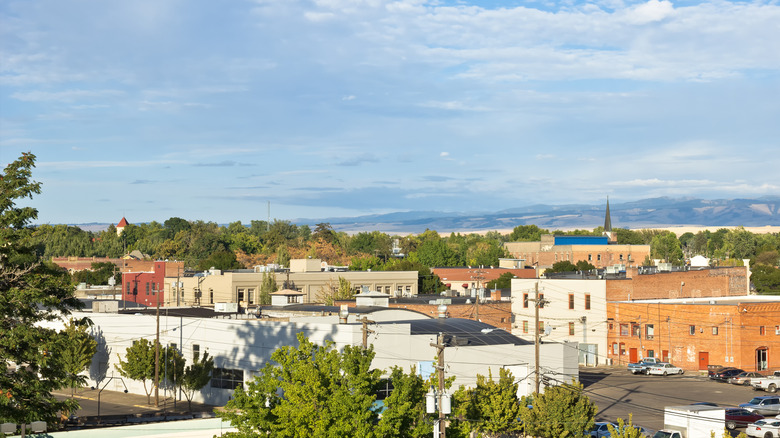
Known as the "Gateway to the Blue Mountains," Walla Walla is an ideal spot for retirees seeking a Pacific Northwest city that promises access to scenic natural views. Home to a population of 34,058, Walla Walla is also known for its local wine scene. Moreover, thanks to the presence of institutions like Whitman College and Walla Walla University, the area also gives off the vibe of a small college town. Overall, Walla Walla has everything going for it that would suit many retired Americans.
One remaining concern, naturally, is whether Walla Walla is a Pacific Northwest city that works for retirees living on tighter budgets. BestPlaces reported Walla Walla was 6.8% less expensive than the national average and 23.5% less expensive than the Washington average. BestPlaces likewise determined individuals should have $38,000 in annual income to afford life here. Wise, meanwhile, estimates residents need at least $2,499 per month (or $29,988 per year) as of 2026.
Affording a house could prove a little challenging. According to Zillow, the average Walla Walla home value was $420,895 as of July 2026. As of June, the median sale price was slightly lower at $409,000. Finding a cost-effective rental, meanwhile, is doable based on Apartments.com's estimates. The average Walla Walla apartment is priced at $1,378 monthly as of August 2026. Moreover, Apartments.com reported a third, or 33%, of Walla Walla rentals cost $1,000 or less per month. If these prices look agreeable, then Walla Walla could be a good fit.
Lewiston, Idaho
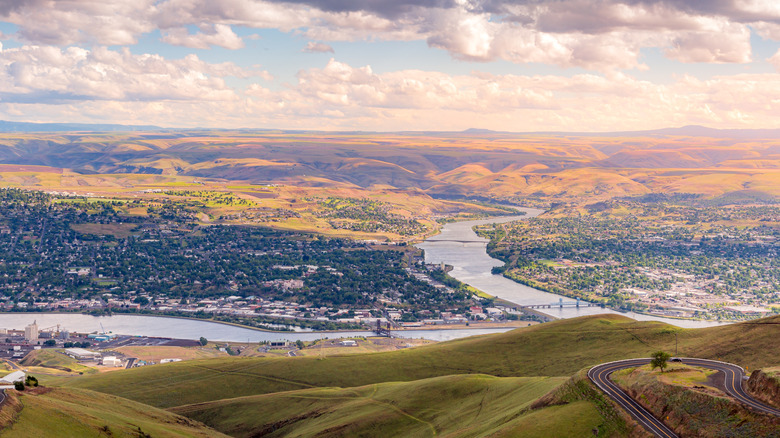
Retirees are increasingly giving Idaho a chance, drawn to the state due to factors such as lower living costs and safety. As reported by SmartAsset, the state's sales and property taxes are fairly low; there are also no taxes at all on Social Security benefits. While there are still taxes on retirement savings withdrawals, moving to Idaho could mean retirees save money in ways that balance out their annual tax obligations.
We think Lewiston, Idaho, is a great option for retirees who want to relocate to the Pacific Northwest. Of its estimated population of 34,717, about one in five residents are 65 or older. They could connect with fellow retirement-aged locals through activities at the local Parks and Recreation Department. Likewise, retired transplants may join fellow active retirees who enjoy biking across about 25 miles of paved pathways. Whatever your desired level of engagement, it's likely there will be something to do in Lewiston.
Aside from ease of community integration, Lewiston is an affordable PNW city. Livingcost.org estimated monthly living expenses for one person, including rent, at $1,729. BestPlaces offered a higher estimate. It determined that a single person would need about $2,533 per month, or $30,400 each year, to live comfortably in Lewiston. Retirees often find they have to choose between affordability and a safe, lovely community. With Lewiston, Idaho, that need not be the case.
Coos Bay, Oregon
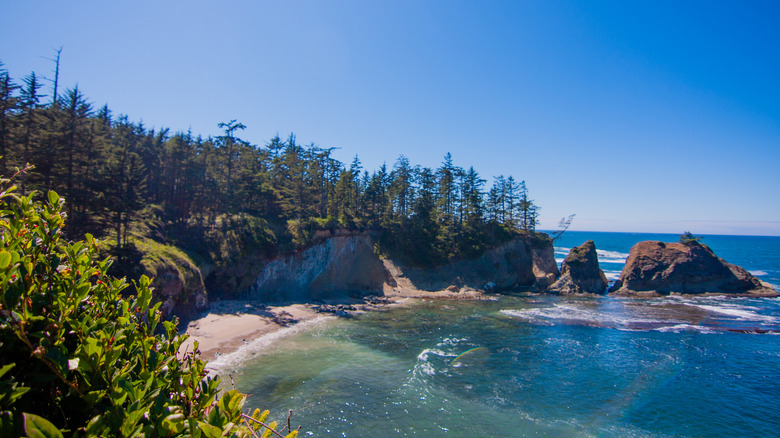
Coos Bay is another city in the region that's frequently recommended to retirees, and with good reason. With a reported population of 15,686, this thriving port city offers access to several nearby beaches and parks. More active retirees can take advantage of the local boardwalk, which offers an easy hiking trail to help them get in their daily steps.
Aside from being a beautiful place to retire, Coos Bay is also a fairly affordable Pacific Northwestern city. BestPlaces, for example, estimated that a single person would need around $32,000 annually, or $2,667 monthly, to live comfortably in Coos Bay. Blso estimated the city's cost of living is about 10% lower than the national average. Alternatively, cost-of-living aggregators like AreaVibes and HomeSnacks, found Coos Bay to be slightly more expensive than the national average. With inflation and constant changes to living costs, it may be best to double-check what bills and groceries could cost you before deciding to move to Coos Bay.
Another consideration to look into is housing. Coos Bay homes, according to Zillow, hold valuations of $330,015 as of July 2026. This is actually a 2% year-over-year decrease. Apartments.com, meanwhile, estimated the average Coos Bay apartment rent at $891 per month. Between Coos Bay homes costing less than the national average and apartments likewise being considerably cheaper, we think Coos Bay is a nice choice for retirees.
Klamath Falls, Oregon
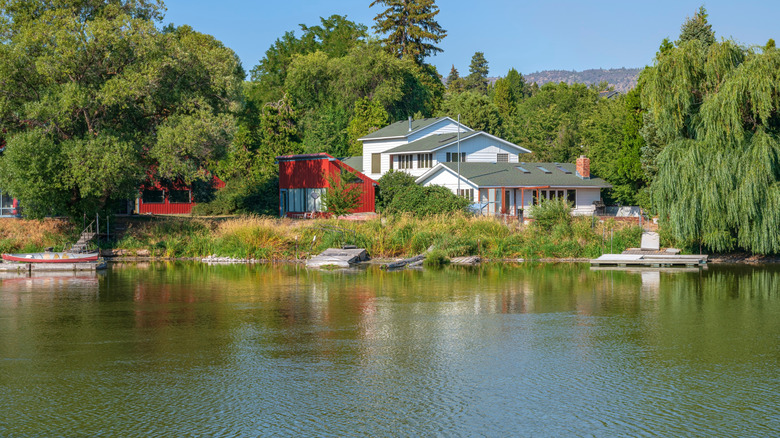
We think Klamath Falls is among the best cities for retirees wishing to live in the Pacific Northwest. The city has a population of 22,111 and offers a laid-back small-town vibe, which will likely suit those aiming for a slower life in retirement. Nicknamed "Oregon's City of Sunshine," Klamath Falls defies the dreary, rainy image some may have of the Pacific Northwest. It instead enjoys nearly 300 days of sunlight each year. This is due largely to Klamath being located at a high desert elevation surrounded by several mountains. The city experiences four distinct seasons, including hot summers and snowy winters.
In addition to its beauty and vibes, Klamath Falls is a great option for retirees who prioritize stretching their income and savings. BestPlaces reported Klamath Falls had a yearly cost of living of $29,200 per person. The site also found Klamath Falls' cost of living was 13.8% lower than the national average; it was also 24.6% lower than the Oregon average. At $310,716, the average Klamath Falls home value is slightly lower than the national average, per Zillow's July 2026 estimates. Meanwhile, the city is very affordable for retirees who plan to rent. Apartments.com determined apartments are typically priced around $762 per month. Rentals tend to cost $1,500 or less per month, with 56% priced between $700 and $1,000 monthly.
The only potential downside would be healthcare costs, which are slightly higher than the national average. Even so, savings on other expenses should boost Klamath Falls' affordability.
Pendleton, Oregon
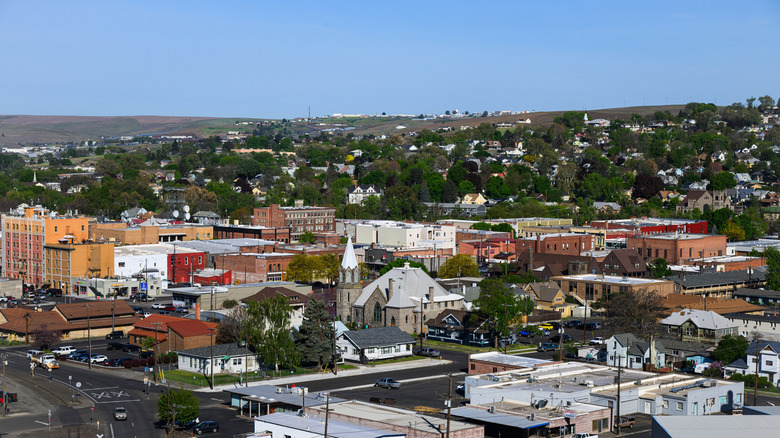
Pendleton is one of the best Pacific Northwest cities for retirees wanting to settle into this part of the country. Pendleton, which has an estimated population of 16,989, works well for retirees who want to enjoy a more relaxed pace in a small city. It's frequently ranked one of the most budget-friendly cities in Oregon. For retirees seriously considering a move to this part of the country, there are a few reasons they shouldn't count out Pendleton.
First is cost of living. BestPlaces estimated that a single person would need an annual income of $22,000 to live comfortably in Pendleton. BestPlaces also Pendleton's cost of living was 11.5% lower than the national average and 22.6% lower than the Oregon average. The Economic Research Institute (ERI), meanwhile, determined Pendleton cost 5% less than the nation's most expensive cities and was 12% less expensive than Oregon's priciest cities. How affordable Pendleton is for retirees may come down to factors like housing.
Another factor is housing costs. Zillow estimated the average Pendleton home value at $304,381 as of July 2026. The real savings may be for retirees who rent, as apartments here are priced at an average of $909 per month, per Apartments.com. An estimated 50% of Pendleton apartments cost $1,000 or less to rent. Aside from housing and cost of living, another bonus working in Pendleton's favor is the lack of a sales tax. As such, retirees who relocate here may find these financial factors contribute to a more affordable lifestyle than they'd find elsewhere.