

Major Mexican Fast-Food Chain Franchisee Files Chapter 11 Bankruptcy, Plans More Restaurant Closures
While Americans happily spend on fast food, the behind-the-scenes world of restaurant franchising can be cutthroat, with slim margins, strict brand standards, and little room for error. When a large franchisee fails, the consequences can reach well beyond its balance sheet, threatening jobs, reducing local dining options, and potentially creating problems for the wider brand. In 2026, Moe's Southwest Grill is facing such a situation after Quality Fresca, one of its largest franchisees, filed for Chapter 11 bankruptcy on August 4 in the U.S. Bankruptcy Court for the Southern District of Florida.
For those wondering exactly which Moe's branches are affected, the list includes 14 Florida locations: two each in Tallahassee and Jacksonville, plus restaurants in Clearwater, Land O' Lakes, Tampa, Odessa, North Port, Naples, University Park, Gainesville, Fort Myers, and Palm Harbor. The other two are in Alexandria, Virginia, and Brunswick, Georgia. However, at least 10 of the 16 restaurants were already marked permanently closed by August 10, while Quality Fresca is seeking to reject the leases for the targeted locations.
It's worth noting that this doesn't mean all remaining Quality Fresca restaurants are automatically closing. Chapter 11 allows the operator to continue doing business while restructuring its finances, which can include cutting costs , reorganizing operations, or selling assets. Quality Fresca had 38 operating Moe's locations and approximately 603 employees when it filed, down from a peak of 69 restaurants after 31 earlier closures. Its immediate goal is to preserve the profitable restaurants while exiting locations that continue losing money. Moe's parent company, GoTo Foods, has not filed for bankruptcy, and the Quality Fresca case does not include restaurants operated by other franchisees.
How Quality Fresca went from Moe's largest franchisee to bankruptcy
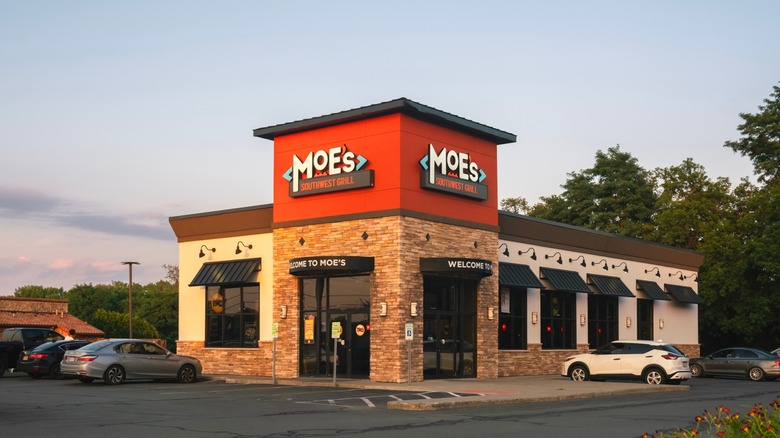
Quality Fresca was created by Quality Restaurant Group in 2019, and in 2020, it acquired 67 Moe's restaurants, making it the chain's largest franchisee. At the time, management believed Moe's had "extraordinary growth" ahead and financed the deal through credit facilities totaling up to $37 million, secured by nearly all of the company's assets. The timing could hardly have been worse: The acquisition was completed just before COVID-19 restrictions began disrupting the restaurant industry. Customer traffic and revenue subsequently declined, but Quality Fresca's rent, debt payments, and other obligations did not fall proportionately. That left the newly expanded company earning less money while still carrying the costs and debt attached to all those restaurants. It's a similar recipe for disaster to the one that explains why so many restaurant chains were struggling in 2024.
Quality Fresca regained some ground after the worst of COVID, but the improvement proved temporary. By 2025, customer visits were falling again as inflation, higher food and shipping costs, and difficulty finding workers placed fresh pressure on the business and the wider industry. These were common issues shrinking fast-food chains across America. Although it made $58.9 million in sales, it still recorded negative EBITDA of $111,204, meaning the business was losing money before interest, taxes, depreciation, and amortization. Moe's declared Quality Fresca in default under its franchise agreements that August. A temporary payment deferral followed but eventually expired. By early 2026, management was seeking relief from lenders and GoTo Foods, Moe's parent company. After 11 loan revisions and $800,000 in additional borrowing, Quality Fresca still filed for bankruptcy owing approximately $16 million.