

Major Supplier To Ford, GM, And Stellantis Files For Chapter 15 Protection
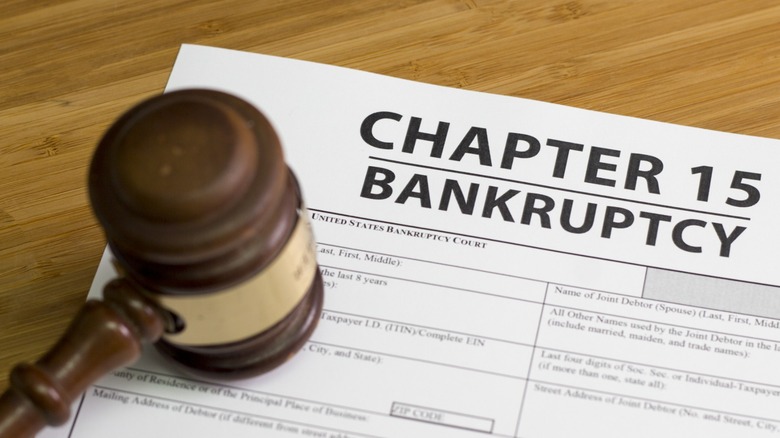
On July 20, 2026, long-time Spanish automotive-parts manufacturer Grupo Antolin filed for Chapter 15 bankruptcy protection in the U.S. Bankruptcy Court for the Southern District of New York. This should not be confused with the more familiar Chapter 11 bankruptcy process, which allows companies to reorganize their debts and operations under the supervision of a U.S. bankruptcy court. When a company files for Chapter 15 bankruptcy protection, it's generally asking a U.S. court to recognize and protect a foreign restructuring or insolvency proceeding while safeguarding its U.S. assets.
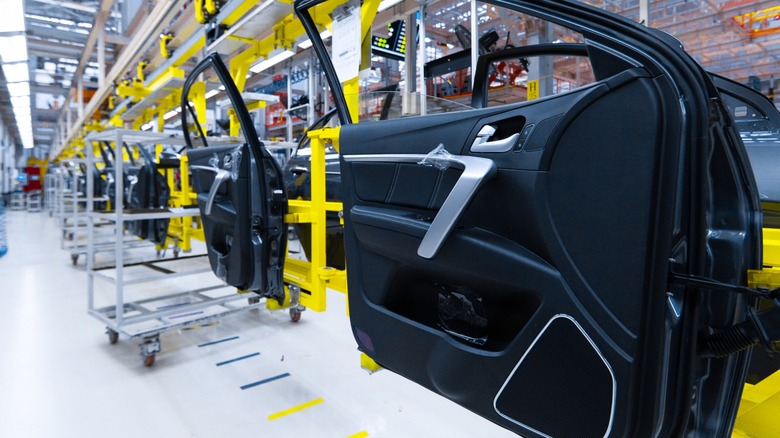
Grupo Antolin's financial health matters because it plays an important role in the automotive supply chain. Whether you realize it or not, you may have ridden in a vehicle fitted with components made by Antolin. The company specializes in manufacturing interior components for automakers including customer-favored car brands such as Ford, General Motors, and Stellantis. From lighting consoles for the Ford F-150 to interior pillar trims for the Tesla Model Y, its products appear in hundreds of vehicle models worldwide. Therefore, major interruptions to its operations could leave some of the world's largest automakers without important parts and potentially slow vehicle production. However, the Chapter 15 filing does not mean that Antolin has stopped making or delivering components. The company says its plants will continue operating normally while it works through its restructuring in Spain.
Exactly how the restructuring might affect car buyers remains to be seen. However, the filing does not necessarily spell the end for Antolin, as there are several companies that have come roaring back from bankruptcy — or the edge of it.
How Grupo Antolin ended up in such a precarious position
For Grupo Antolin, there wasn't a single bad year you can point at as what caused its financial trouble. Instead, it's been a series of global events that have shaken a business operating in a sensitive industry. According to the company's U.S. court filing, the automotive industry has faced six years of overlapping problems. The pandemic brought vehicle factories to a standstill, while the war in Ukraine later made parts and raw materials more expensive and increased energy costs. More recently, slow vehicle production in Europe, fierce price competition in China, slower-than-expected electric-vehicle adoption, and U.S. tariffs on foreign car components have also placed pressure on the company.
Due to these challenges, automakers reduced production, phased out existing programs, or delayed new models, causing Antolin to sell fewer products. Its revenue dropped from €4.62 billion in 2023 to €4.19 billion in 2024 and €3.7 billion in 2025 — that's a decline of about 20% in two years. Antolin lost €7 million in 2023, €29 million in 2024 and €81 million in 2025, while its net financial debt ballooned to just over €1 billion. With €380 million in bonds due in 2028 and some bank loans potentially becoming due in late 2027, Antolin needed creditors to give it more time. That is ultimately what the Spanish restructuring — and the Chapter 15 case protecting it in the U.S. — is designed to accomplish.