

What A $200 Per Night Hotel Looked Like In The '80s Compared To Today
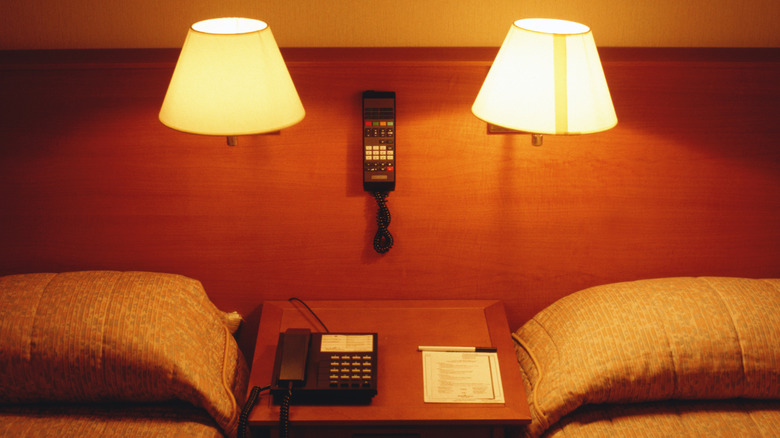
Booking a hotel stay in the United States isn't exactly cheap, even if you're using tips to get a good deal on room rates. According to Hotels.com's 2025 Hotel Price Index report, the average nightly rate for domestic rooms in the U.S. was $174 that year, while a May 2026 U.S. Travel Association report found that overall lodging costs were up 15.1% since 2019. While rates obviously vary from hotel to hotel, costs in major cities can easily hit around $200 per night in 2026 with luxury hotels often charging over $1,000 a night. Although that may already seem excessive, it's even worse when compared to hotel rates from just a few decades ago. In fact, spending $200 on a hotel room in the 1980s was a guarantee of luxury accommodations.
High-end hotels in the 1980s typically cost significantly less than $200, even in large markets. In 1985, the Los Angeles Times postulated that LA's luxurious Westin Bonaventure hotel risked starting bidding wars with other luxury hospitality competitors after it dropped its rates from $115 to $89 (the equivalent of going from $359 to $278 in May 2026 dollars). The following year, The New York Times made big news of the fact that higher-end hotels in New York City officially broke the $200 barrier. The article cited New York's Marriott Marquis as an example of hotels in "the $200 category" in November 1986. Meanwhile, a look at room rates for the same hotel in November 2026 shows nightly costs between $676 to over $2,000.
Why modern hotel room rates might actually be better than in the 1980s
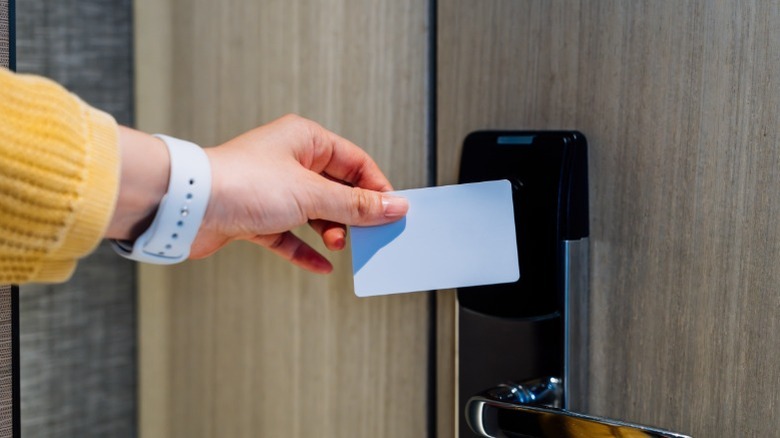
While 2026's skyrocketing room rates may make it easy to look back at 1980s rates with financial nostalgia, the reality is that modern hotel travelers are likely getting a little more bang for their buck. Whereas $200 for a single night likely included a phone call in the 1980s, paying the same amount or even less in 2026 often comes with much more in the way of amenities: complimentary Wi-Fi, access to streaming services, complimentary filtered water or bottled water, and in-room premium coffee stations, among other things that either weren't the norm or simply didn't exist a few decades ago. Plus, thanks to the explosion of options like Airbnb and VRBO, modern hotels are competing against vacation home rentals which often offer expanded options for travelers – particularly those seeking longer stays.
It's also worth mentioning that, per Inc., the average hotel room rate in 1982 was $58 a night — which would be $203 in 2026 when accounting for inflation. So, if anything, modern hotel night averages are actually slightly under the straight economic math. With that said, inflation has different causes that can raise rates in certain categories more or less than other spending categories. This can help help explain why your wallet likely feels more strained with a 2026 hotel stay than it would have in past decades.