

The Overlooked Community Rating That Could Lower The Worth Of Your House
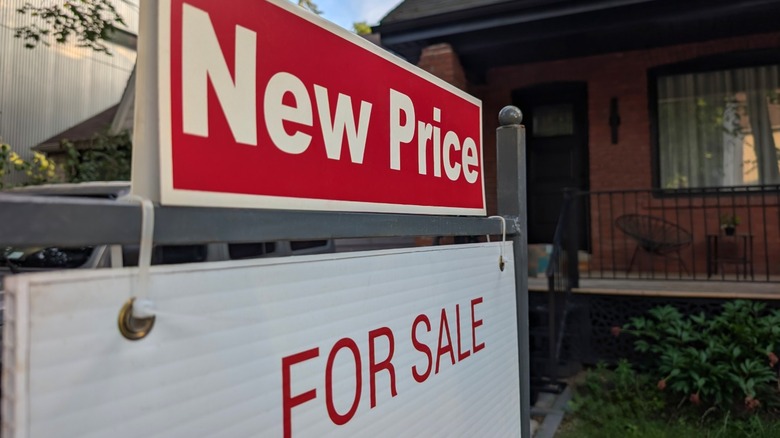
You've fixed up the floors, upgraded the kitchen, and did such a great job boosting curb appeal that the exterior looks like a veritable paradise. So, why isn't your house value skyrocketing like you think it should? If any of this sounds familiar, it might be time to look beyond your own property boundaries. While you may have already considered things like neighborhood safety, walkability, and proximity to things like parks and shopping options, there's one factor you may not have considered at all, especially if you don't have kids: local schools.
Yes, although all of the aforementioned features certainly matter for home value, local school quality is an often-overlooked element that can carry surprisingly major impact. Lower school ratings can drag down property values and, most importantly, make it harder to sell. According to a 2025 Realtor.com report, houses in the nation's top-rated school districts sold for an average of 135% higher than the average in surrounding metros. Even in school districts that had lower average school ratings, but were still popular among families, median listing prices were 29% higher than surrounding regions. Comparably, a 2025 market analysis from Opendoor found that properties located near schools with high ratings sold for premiums of between 10% to over 50%. Considering that Zillow data shows the average U.S. home price is $370,320 (as of June 2026), this could mean a difference of tens of thousands to even hundreds of thousands of dollars in selling price for optimally-located houses.
The feedback loop of school ratings and home prices
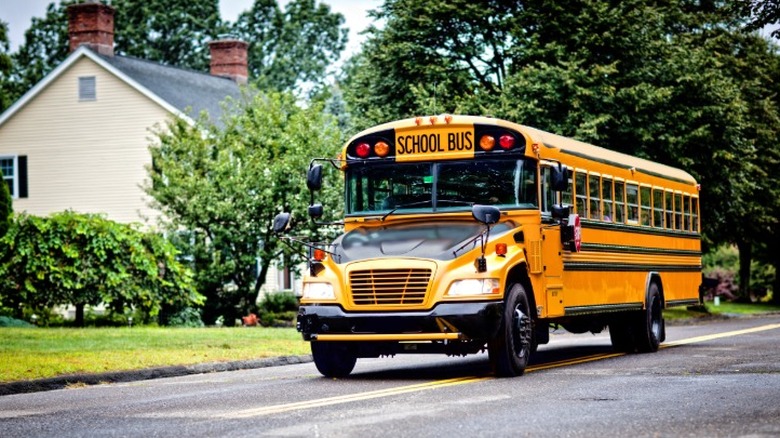
You may not be able to control the quality of your local school district, but you can become more attuned to the local market, and manage your expectations when listing your home or looking at prices for a new home. Whether you utilize local schools or not, upper class neighborhoods tend to have better schools. Of course, this isn't really a coincidence. A 2023 study by the University of Michigan found that pricier real estate listings boosted school revenues and quality, which in turn helped elevate home prices. There's also the correlation that the states with the highest property taxes also tend to have better-performing schools.
Well-scoring schools are often associated with neighborhoods that enjoy stable property values, active community involvement, lower crime rates, and stronger local amenities. So, while a school's rating doesn't necessarily reflect every aspect of the surrounding community, prospective buyers — even those without school-aged children in their household — may see it as convenient shorthand for neighborhood desirability and a property's true location value. So, when setting the price for your home listing, don't neglect to look up the local school district's reputation. Buyers already will be.