

11 Single-Use Items You Should Stop Buying Immediately To Save Money

We may receive a commission on purchases made from links.
Typically, a single-use item can be thought of as something you may use once or twice and then throw away. Not only are they designed to be easily disposable, they're typically quite cheap — at least on the surface. This affordability results in repeated purchases, as shoppers treat these products as low-cost options for long-term habits. However, there are some costs that American shoppers either don't consider or may not fully appreciate.
First, single-use items can have a negative financial impact on U.S. taxpayers as a whole. Often, Americans buy paper and plastic products that quickly get thrown out. As a 2025 report by researchers at Duke University found, plastic garbage alone reportedly translates to between $9.8 and $13.3 billion in litter cleanup. Overall, the study estimates the social cost to exceed $1 trillion dollars based on its impact on factors like the country's economy, health, and environmental well-being.
Second is the financial impact on one's household. Yes, single-use items can be cheap to buy, but that doesn't mean the product is a good investment. If you strive to save money at the grocery store, repeatedly buying single-use products may prove to have the opposite effect. In putting together this list, we found that if you're putting these items in your shopping carts, you may be wasting hundreds of dollars each year or more. If the majority of these single-use items are in your home, that could actually represent thousands of dollars down the drain! These are some single-use items we think you should stop buying immediately to save money.
Plastic water bottles
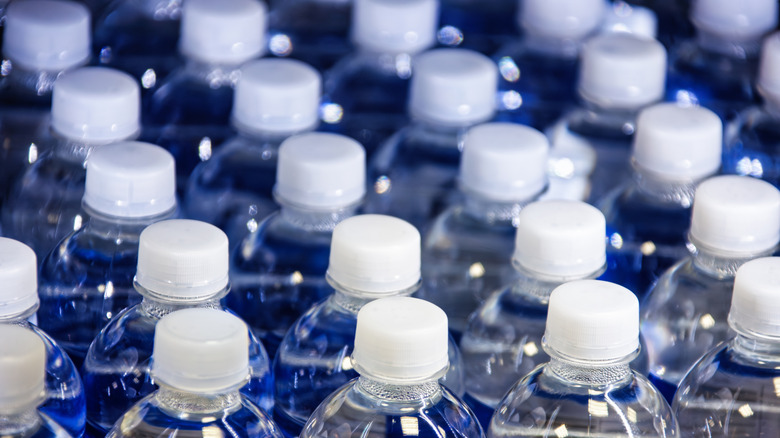
In addition to being essential to our health and hydration, water is a very popular drink option among American consumers. According to Statista, the market revenue for bottled water within the United States hit $112 billion in 2024. And yet, there are downsides to all of those single-use bottles of water beyond all that wasted plastic.
But as some have noted, bottled water purchases aren't just harmful to the environment, they're also bad for your wallet. A 2022 study by HomeWater found that the per-ounce cost of Dasani bottled water came out to 9.4 cents on average. Based on the assumption that the average person drinks 182.5 gallons of water annually, an individual person would spend around $2,195 on bottled water per year. The same calculations applied to affordable brands like Aquafina and Smartwater each also came out to roughly $2,000 per year or more, and the price of bottled water has increased even further between 2022 and 2026.
The bottom line is that repeatedly buying disposable water bottles each week can easily translate to hundreds or thousands of dollars spent per year. Instead, you could invest in a water filter pitcher for around $20 on Amazon. Likewise, you'll find a range of refillable water bottles for between $5 and $15 at Walmart, which can be reliable and reusable alternatives to store-bought water bottles.
Paper towels

You may be hard-pressed to find an adult American of a certain age that can't quickly recall the "quilted quicker picker upper" Bounty jingle, and you may have an even harder time finding an American that doesn't have some love for paper towels in general or neglects to include them among their regular household purchases. By some estimates, Americans spend anywhere between $100 and $250 per year on paper towels alone. For perspective, an Amazon Prime subscription with ads costs about $139 per year.
As you can see, though regularly buying paper towels seems like a low-cost and convenient shopping habit, you could ultimately wind up spending the same amount on a TV streaming service you could use year round. While Americans love paper towels for handling everyday messes, it's hard to love how much money is going in the trash along with the used up towels.
Instead of repeatedly buying paper towels that you'll only use one time for cleaning, you could instead opt for dish rags and kitchen towels to clean up table and countertop messes. You could find them in packs that cost anywhere between $4 and $17 at Walmart, and you'll find similarly priced items on Amazon. For the floor, you could find an affordable mop online in a similar price range — and you could likely get more than a single year's worth of use from all of these products. In time, the money you save by not buying paper towels could instead be used to help you afford more forms of entertainment or other household necessities.
Disposable razors
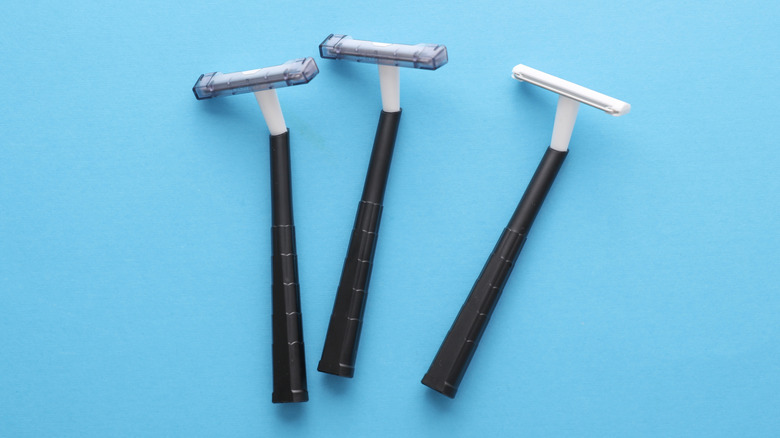
Disposable razors are often classified as a single-use item, and while buyers may occasionally get a few uses out of a single razor, they all end up in the same place. The Environmental Protection Agency estimates that Americans go through approximately 2 billion disposable razors per year (via CBS News). This number becomes particularly disturbing as, per the Razor Emporium, it may take hundreds of years for a single disposable razor to fully decompose.
Often, the justification for buying disposable razors is the incredibly low upfront cost. You might only pay a few dollars for a cheap pack of razors at a time or repeatedly buy low-cost replacement blades. In the end, you may think you're getting a bargain by not paying for a straight or double-edge razor. And yet, the Cut Throat Club put this assumption to the test and drew a much different conclusion: The writer compared the cost of a single $450 straight razor designed to last 25 years to the yearly cost of using $1 disposable alternatives or a $50 double-edge razor that needed its $1 blades replaced after every second use. In the end, the blog found the disposable razor to be the most expensive option, costing over $350 per year assuming you shave every day. Though the double-edge razor also required replacements, it was far less frequent at less than $200 annually.
So, even if you have misgivings about spending a pretty penny on a high-quality razor, when compared to the disposable alternatives, it may still prove the more affordable option by far within a couple years of use.
Sandwich bags
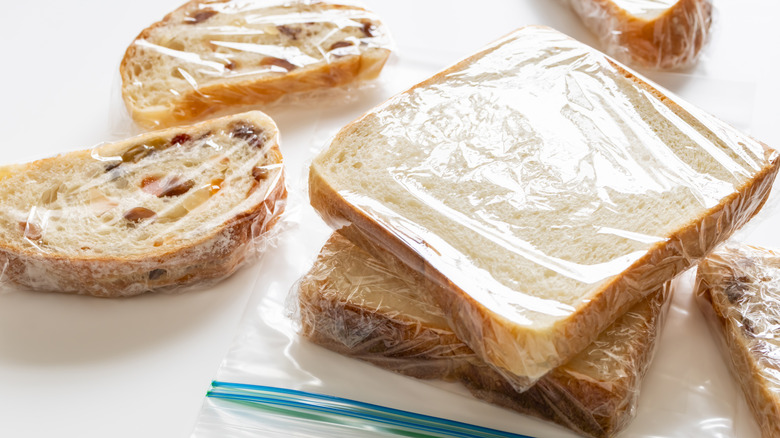
It's undeniable that sandwich bags are both convenient and versatile. Some people swear by these sealable plastic bags to protect items in the freezer or store leftovers, but it's very common for sandwich bags to end up in the garbage once they've fulfilled their purpose.
Instead of spending money on a sandwich bag that you might only use once or twice, you could instead pivot to storage options that you'll be able to use over and over across months and years after an initial purchase. You'll find, for instance, glass jars for sale at Dollar Tree for less than $2. If you prefer something similar to a Ziploc bag, there's also a range of reusable storage containers available, and Consumer Reports recommended several options that cost between $12 and $22. We checked Amazon and found a set of 10 reusable PEVA bags originally priced at $13. Meanwhile, if you prefer silicone bags specifically, there are a variety of budget-friendly options for as low as around $4. Though the upfront per-unit cost might be higher than the disposable alternatives, these reusable containers will only pay for themselves more and more the longer you have them.
Disposable coffee cups
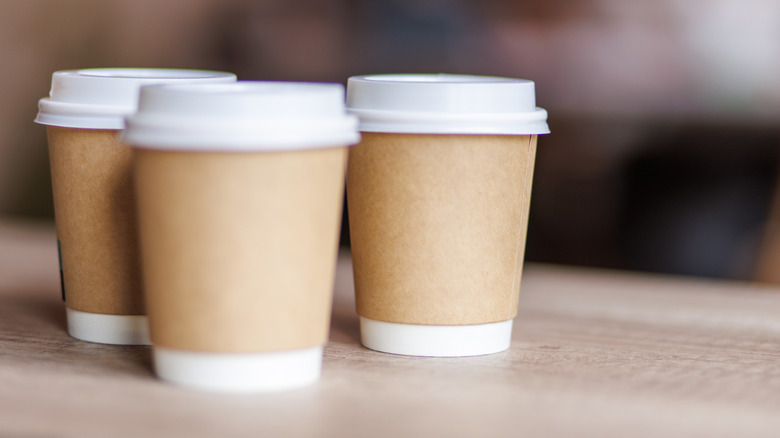
As you go about your day, you might spot people holding coffee cups with lids that may appear to be from a nearby coffee shop at first glance. However, many people enjoy coffee from home in portable disposable coffee cups. Buying these hot-drink-friendly cups to transport homemade coffee can be cheaper than repeatedly stopping at a chain like Starbucks, but it's not exactly a perfect money-saving solution.
A quick search at a Walmart in Minneapolis, Minnesota, shows that a 20-pack of these cups might cost around $5.62 — though that can vary depending on their size and material. Despite their perceived convenience, the price of these single-use coffee cup packages can quickly add up. Even using as few as 20 per month — which would equate to far less than one cup of coffee per day — could easily add up to around $68 per year or more. Meanwhile, more frequent coffee drinkers may go through enough of these cups to spend hundreds of dollars on them in the same period.
If you'd like to avoid wasting money on a one-time-use coffee cup, we recommend the tried-and-true coffee mug. You can save money by getting one from a Dollar Tree for less than $2. Meanwhile, those on the move could also consider stainless steel coffee tumblers, which start at about $9 at Walmart.
Plastic utensils
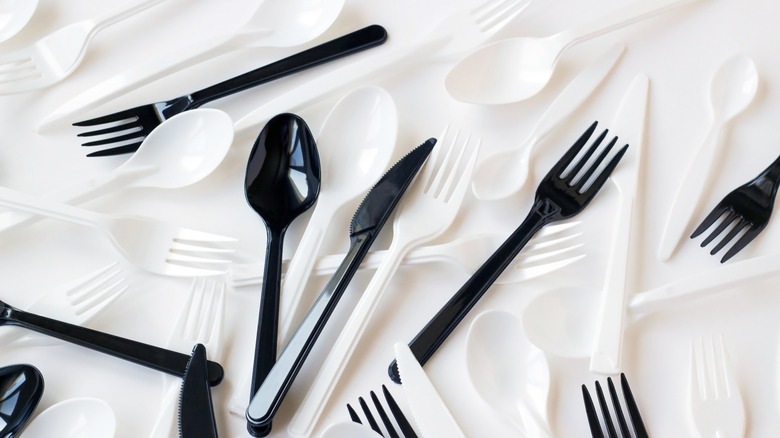
Every so often, plastic utensils make perfect sense as a purchase. Their appeal really shines through when you're buying them to use for a birthday party, holiday get together, or a special event that objectively requires a lot of clean-up. Instead of having to dirty dishes, it may make sense to buy cheap forks, spoons, and knives that can be used once and then tossed. However, according to Forbes, Americans go through around 40 billion pieces of disposable plastic cutlery every year, and individuals who use them extensively may find that they're losing money at an alarming rate.
To get an idea of exactly how much the average household could be wasting, we priced a Great Value variety pack from a Minneapolis Walmart at $4.43. The package includes 96 total pieces: 32 spoons, 32 forks, and 32 knives. If a single person purchased this set to use with one meal per day, then the variety pack would last about a month. If using them for a couple of meals daily, you would likely have to spend at least $8.86 monthly. Across an entire year, you'll have spent anywhere from $53.16 to $106.32. This doesn't factor in taxes or the need to purchase even more disposable cutlery if shopping for a multi-person household.
Instead of spending upwards of hundreds of dollars to throw away cutlery every day, you could just buy some silverware at Walmart, or your local Dollar Tree. It's not uncommon to find sets where the price per utensil is less than $1, and the money you save by not purchasing single-use cutlery could instead be put towards a must-purchase item on your grocery list.
Wet wipes
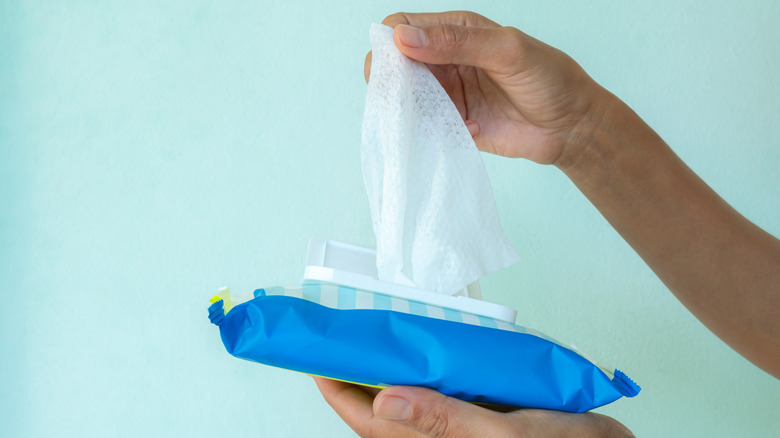
Wet wipes are a single-use item that people rely on for everything from personal hygiene to removing makeup or cleaning off a messy toddler. Packages might cost anywhere between $1 and $20 to buy, depending on the package sizing, the amount of wipes included, and the brand. While that often means a single wipe costs just cents on the dollar, similarly to paper towels, wet wipes are the kind of single-use purchase that isn't nearly as essential as you might assume.
Even if you spent about $5 per month on cheap packages of wet wipes, that works out to about $60 per year. If you're buying $20 worth of baby wipes each month, that becomes $240 worth of single-use wipes bought annually. If you heavily rely on wipes as part of your or your child's cleanliness routine, you may find yourself spending hundreds of dollars per year just to throw these cloths away after a single use.
This might not seem like such a big deal at first, but you could buy an affordable laptop from Walmart or Amazon for a similar amount — especially if you time the purchase to get the optimal price. Instead, you could set aside cash to put toward your next major purchase by opting for reusable makeup removing pads. A 20-count pack on Amazon goes for about $13.
Juice boxes, cartons, and pouches
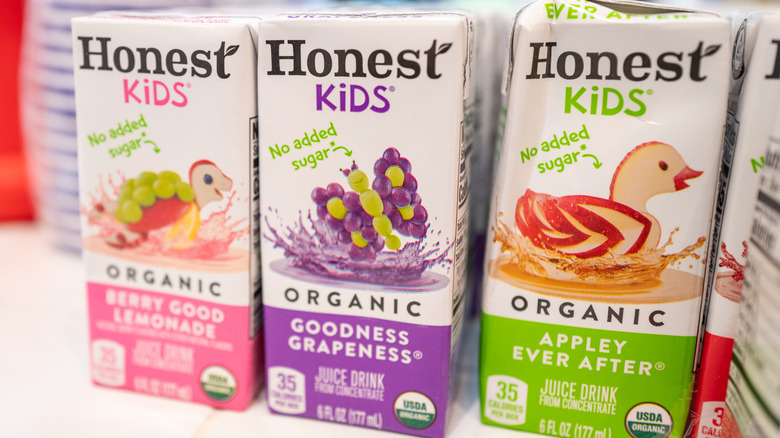
According to Future Market Insights, demand for juice box and pouch packaging will reportedly hit $1.24 billion in 2026 and is expected to rise to $1.8 billion by 2036. Meanwhile, data from Wise Guy Reports shows cartons make up a significant chunk — at least 35.4% — of the $8.5 billion global children's fruit juice market. Though buying juice boxes and pouches can be extremely convenient, the fact that these are single-use items could be costing you considerably. For one thing, though it depends on the specific brand you buy, the per-ounce cost of juice in a juice box package can be more expensive than what you'd pay buying a larger bottle.
If your goal is to potentially save money long term and cut down on your use of disposable containers, there are a range of reusable juice bottles and pouches available for sale on websites like Amazon. Instead of constantly buying boxes and cartons that will be gone in a matter of days, these reusable pouches and bottles are made to last — and some are even specifically designed to be as functional and portable as traditional juice boxes.
Plastic bags
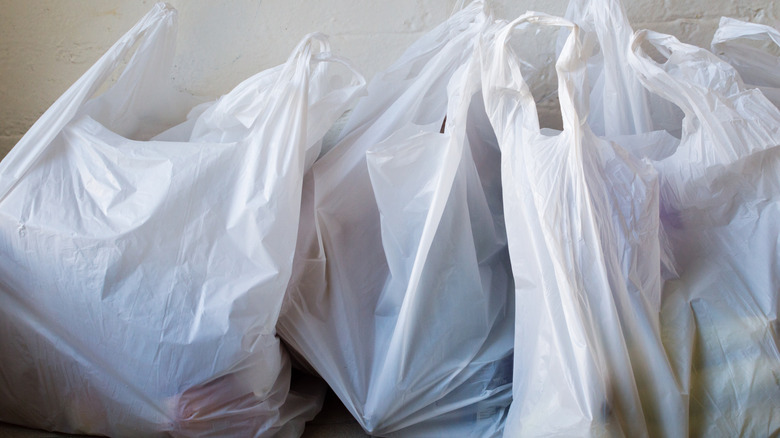
Though some U.S. states have moved to ban single-use plastic bags, some stores still make them available for a price at checkout. For instance, in certain areas, Walmart now charges 10 cents per grocery bag, and many stores are required to follow similar policies throughout the country. Notably, if you're still set on continuing to use plastic bags instead of paper or reusable alternatives, you can still save money by buying them in advance of your shopping trips. A Massachusetts Walmart sells a 1,000-pack of these products for around $30, or roughly 3 cents per bag.
Alternatively, instead of bothering with single-use plastic shopping bags at all, it can make more sense both environmentally and financially to buy a shopping tote bag. You can often find cheap reusable bags for between $2 and $4 apiece. Investing in a few and bringing them along for shopping trips could help you avoid paying unnecessary fees at the register.
There are even alternatives to single-use plastic trash bags you can use to further cut down on your plastic use over time — at least for certain purposes. For instance, an 80-pack of 30-gallon bags you can use for leaves, twigs, grass shavings lists for around $16 at Walmart, while you could instead buy and repeatedly reuse a set of yard waste bags for a similar price.
Paper plates

Much like plastic utensils, paper plates are another single-use item that can be extremely helpful on occasion. However, some Americans have turned them into a routine purchase that adds up to over $100 per year, if not more.
Even if you're not a fan of washing dishes, constant paper plate purchases will add up — and not in a good way. Spending potentially hundreds of dollars per year just to throw away paper plates again and again can be a complete waste when you could simply invest in a comparatively affordable dinnerware set. You can easily find basic sets at Walmart for between $20 and $60, and spending even more than that on a higher-end collection on Amazon could still wind up saving you money in a matter of months.
As with silverware, the price is ultimately going to depend on the size of your dinnerware set and the material that the items are made out of. If you live alone or in a small household that only needs a few plates and bowls each, your potential savings could be especially large. No matter what size set and material you prefer, odds are this one-time purchase will cost considerably less than the paper plates you would use and throw away daily.
Coffee pods
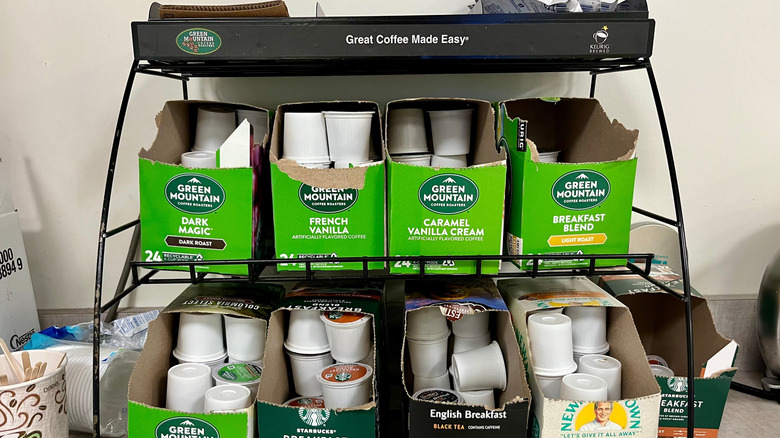
Sometimes referred to as K-cups, coffee pods contain an individual serving of ground coffee that's perfect for those who want a single cup without dealing with the hassle of making a full pot. Buying pods may seem like a great way to enjoy coffee more efficiently. Yet, despite being convenient to use, coffee pods aren't necessarily good for savings.
According to Consumer Reports, daily coffee drinkers who buy these single-use capsules will spend close to $200 per year — and that's if they only drink one cup of coffee per day. However, the National Coffee Association released a report in 2025 that found American coffee drinkers enjoy at least three cups daily on average. With that in mind, it makes perfect sense to save money by pivoting from disposable coffee pods to reusable alternatives.
Instead of spending hundreds of dollars annually on single-use coffee capsules, we recommend buying a reusable adapter. Options are available on Amazon for less than $2 apiece. What's more, these reusable pods give you the freedom to use whichever brand of coffee you prefer, so you could potentially save even more by opting for more affordable grounds. One luxury coffee brand is even available for just $2 at Dollar Tree.