

This Major City Was Named The Best To Purchase A Rental House In 2026
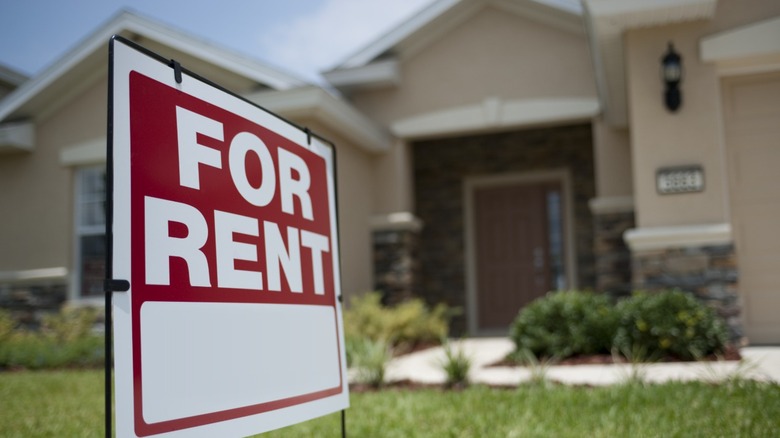
Purchasing a home with the purpose of renting it out is a popular choice for those with the money to do so. That said there are still risks involved, with the biggest one being the local market. The value of rental properties can vary significantly from city to city. However, according to an early 2026 study by Highland Cabinetry, via Travel + Leisure, the best city to purchase rental real estate is Philadelphia, where the median sale price of a house was just $270,000 while the median monthly rent was $2,200.
To put that in perspective, in May 2026 the national median home sale price was over $400,000 (per Federal Reserve data), while the national median rent was $1,379 (Apartment List). This means that Philly landlords have a smaller gap to close than most when it comes to profiting from their investment. As for mortgages, monthly payments can vary but, per Bankrate, Pennsylvania's average 30-year fixed mortgage rate, as of June 25, 2026, was 6.5% — below the national average of 6.65% (which 2026 economists say is likely to stay elevated). With a 20% down payment and a 6.5% rate on a $270,000 Philadelphia home, landlords would be responsible for a mortgage payment of around $1,365 per month — well below the median monthly rent in Philadelphia. This means landlords can easily expect to earn back significantly more than their monthly obligation through renting. On top of this, Travel + Leisure also noted that Philadelphia rental property owners can expect to pay off the property in just 10.14 years (provided there aren't any mortgage overpayment penalties) — significantly better than the 30-year mortgage standard .
Philly's growth means more opportunities for landlords

Philadelphia is one of the most populous cities in the nation, with over 1.57 million people as of July 2025 Census data. Although that's only a modest increase over 2024's population estimate, the city's growth is especially important considering that many large cities are losing residents instead of gaining them in 2026.
Population growth aside, another reason the City of Brotherly Love is such a great place to buy a rental home is because it's also a hotspot for renters in general. While some studies show that it's cheaper to rent than to buy a home in the U.S., major cities like Philadelphia are really driving that point home. Per Rent Cafe, the city was in the top 15 cities for rental apartment searches in Q1 2026 and grew 21% in saved searches compared to Q1 2025. Furthermore, nearly 50% of all housing in the city is renter-occupied, with the Philadelphia Inquirer reporting that interest has only continued to grow in 2026 with the influx of arrivals from New York, Boston, and Washington, D.C. Although the average rent is considerably lower in Philadelphia than in many other major cities, this also means that landlords will likely have an easier time attracting tenants.
Economic growth could make Philadelphia housing white-hot
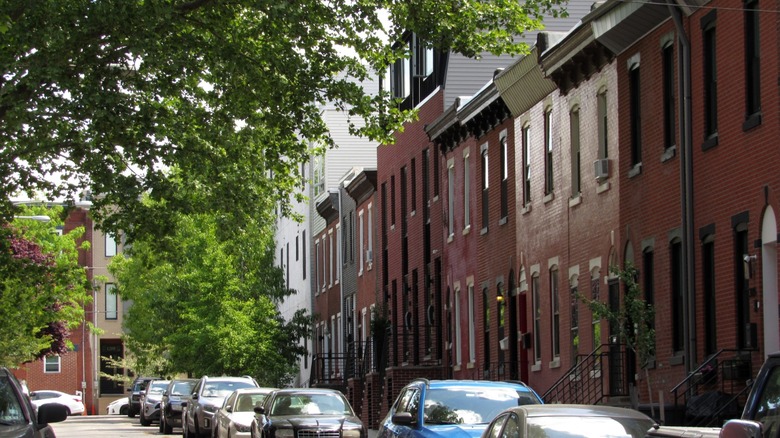
Importantly for landlords, Philadelphia's population upswing and already-strong rental market coincides with a growing economy. In 2026, an analysis by New Home Source declared Philadelphia one of the top 10 job markets to watch. And, because the city's economy largely revolves around medical technology and healthcare, it can be considered more stable than cities experiencing growth in less evergreen employment fields. For those considering rental properties, this naturally means less risk when it comes to tenant income.
As for income as a landlord, per June 2026 Apartments.com data, Philadelphia rents fall anywhere from $1,440 to $3,200, depending on size and home type (for instance, apartment vs. townhome vs. house), and have increased slightly since 2025. Philadelphia also landed the No. 6 spot in Zillow's top 10 hottest housing markets for 2026 for both its affordability and the fact that home values grew 3% in 2025 — and are projected to grow at least another 1.7% in 2026. For landlords, this could provide a reasonable basis for future rent increases. Plus it's worth mentioning that the city doesn't cap how much you can raise the rent by, giving you more freedom as a landlord to keep up with the market.