

The Popular Car Myth That's Costing You Extra

Gas-powered cars may have more predictable range and a broader used market than electric vehicles (EVs), but they can require more maintenance. These distinctions can inform whether EVs can save you money in the long run. Combustion engines use various fluids you may need to change occasionally, and one of the most important is engine oil. It's a common belief among drivers that they have to change their oil every 3,000 miles. With the average American driving roughly 13,500 miles a year, per the Federal Highway Administration, many who follow this advice would end up changing their oil four to five times a year. However, that belief is largely outdated, and subscribing to it could cost you.
How much an oil change costs varies depending on your vehicle or whether you do it yourself or hire a professional. A 2024 Talker Research survey of 2,000 car owners found that most people rely on others to do their car maintenance. And, according to Kelley Blue Book (KBB), a full oil change from a mechanic usually costs between $35 and $125, depending on location, oil type, and oil filter. So, the average driver could spend roughly $140 to $625 per year if they have the work done every 3,000 miles.
In reality, modern engines, better oil formulas, and built-in oil-life monitoring systems have made that old rule too broad. Drivers may be better off following their owner's manuals, many of which suggest driving 5,000 to 10,000 miles between oil changes. This shift could cut the average driver's oil changes down to one to three a year and reduce their annual bill to between $70 and $375.
How to maximize savings while staying current on oil changes
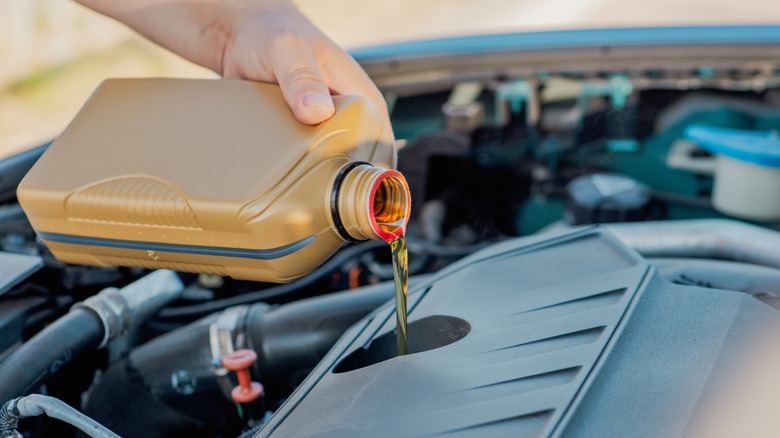
Apart from getting a car from brands with low maintenance costs, the broadest way to save on oil changes is to do it yourself. KBB estimates that four quarts of oil and a replacement oil filter should cost $30 to $45. For a driver covering about 13,500 miles a year, a 10,000-mile oil-change interval works out to roughly one to two oil changes annually — or about $60 to $90 in supplies. Compared with the cost of four to five shop visits a year, that could save drivers roughly $50 to $565 annually and up to thousands over a decade.
The caveat is that not every car is easy to service. Some require more than four quarts of oil or special filters, and others may need ramps or a floor jack just to reach the drain plug. That can raise costs and complexity, so DIY savings work best for drivers who already have the tools and a car that's straightforward to service. Just like washing your car yourself instead of going to the car wash, how much you're willing to invest in the equipment and how much time you have may determine whether the savings from a DIY oil change are worth it.
Another way to save is by switching to synthetic oil, if your vehicle allows for longer manufacturer-recommended intervals. Synthetic oil costs more upfront, but it lasts longer between changes. As John Ibbotson, Consumer Reports' chief mechanic, says, "Synthetic oil costs about 30 percent more than conventional oil, but you'll only need to replace it half as often."