

Dave Ramsey Says Social Security Should Never Be Used For This Financial Shortcut
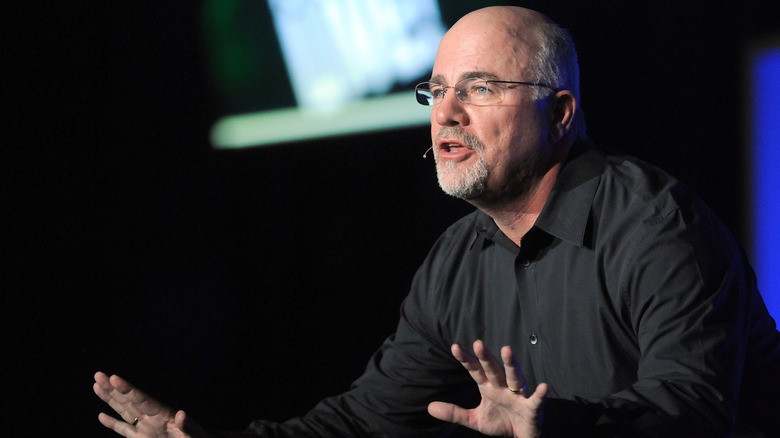
For many Americans, Social Security benefits will inevitably do a lot of financial heavy lifting as they get older. With Social Security monthly benefit checks averaging $2,071 in January 2026 (via the Social Security Administration), it can be tempting to think of these payments as a problem-solver for anyone carrying debt, paying off a mortgage, or helping out children. While experts are largely split on the best fiscal strategy for older Americans juggling these obligations, Dave Ramsey has a firm opinion. In his estimation (via Ramsey Solutions), retirees — and those still working past the age of 62, when the benefits become available — should not even start drawing their Social Security if they have ongoing debt obligations. This fits neatly into his team's philosophy that a person's financial security in retirement should not be reliant on Social Security. To take it one step further, using long-term financial tools to fix short-term issues is a mistake that can be incredibly costly.
Adding debt repayments on top of the financial obligations and priorities you already experience in retirement can leave little left over for other needs. In fact, there are plenty of things you'll likely spend more on in retirement, such as healthcare, insurance, and utility bills. However, with a 2025 The Senior Citizens League survey finding that 39% of retirees relied entirely on Social Security, it's clear that many retirees are at a financial crossroads with their retirement.
Borrowing from your future can create long-term financial strain

Dave Ramsey's suggestion to leave your Social Security funding alone comes with some caveats. He is a vocal proponent of taking early Social Security distributions, but only if you're in a position to invest the proceeds of these benefits under your growth strategy. That said, he firmly recommends avoiding this approach if you're still managing revolving credit card debts or don't have a fully funded emergency fund. In fact, if you don't have a plan to continue growing your nest egg in the final stretch of your working years and might be inclined to leverage the capital to pay off debts, this can act as a sign to consider delaying your retirement altogether.
Those planning on leaving the workforce around the full retirement age (67 for most workers today) have some calculations to perform as they hit this final stretch of working and saving. Starting benefits at 62 will yield a 70% payout rate based on the full benefit amount you're entitled to, and you'll also have to consider taxes and deductions that will come into play if you're still working full time. However, Ramsey Solutions reports that if you anticipate living past the average life expectancy figure (a combined age of 79 as of the latest CDC data) you'll likely come out ahead of where you'd have been by delaying and growing your monthly benefit value. Even so, in Ramsey's estimation, the value of this decision is still intimately dependent on your debt situation, dictating how effectively you can ultimately leverage benefit checks.