

10 Things That Were So Much Cheaper In The '80s Than They Are In 2026
We may receive a commission on purchases made from links.
There was no decade quite like the '80s. From the colorful fashion to the music, it was a distinct time that many who were there swear they'll never forget. Trends aside, something else many boomer-aged Americans remember fondly about the time is how much cheaper everything was. Back then, you could attend a concert, buy a new album, and even fill up your gas tank for far less than what it costs in 2026.
Overall, life in 2026 for Americans is the most expensive it has ever been. According to some estimates, the average cost of living in the United States per person is a little over $2,500. For a family of four, that estimate increases to more than $5,700. For those with summer travel plans, the United States Bureau of Labor Statistics revealed that gasoline and plane ticket prices are up 20% over the year. Americans today are spending thousands of dollars on things that cost a fraction of the price they paid decades ago. Even if you weren't alive at the time or were just a kid, you probably would love to have experienced the memorable decade and to be able to spend so much less on everything. With that in mind, here are 10 things that were so much cheaper during the '80s than they are in 2026.
1. Sending mail or packages via the Postal Service
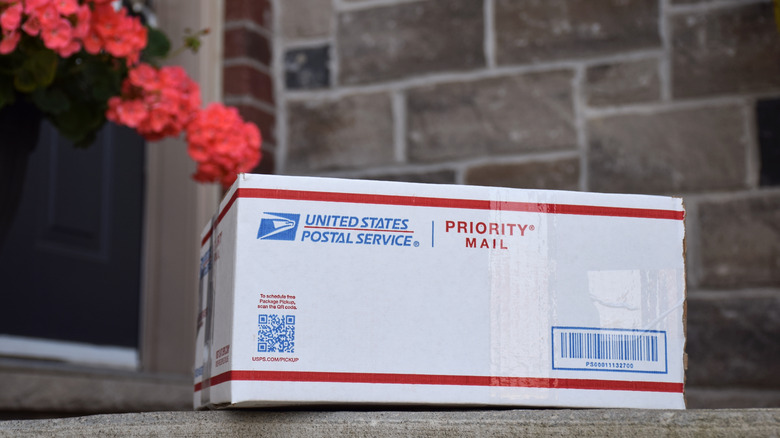
It's hard to believe how much more money it costs to send "snail mail" in 2026 than it did in the '80's. Back then, if you needed to mail a simple letter, you might spend anywhere between $0.18 and $0.25 per stamp. In 1985, for instance, the United States Postal Service adjusted its rates so first-class letters would cost $0.22 to mail domestically and to Canada or Mexico. As the New York Times reported, the Postal Service announced that year that Americans would pay $0.44 per half-ounce for the first two ounces, and then $0.39 per half-ounce, all the way up to 32 ounces. At the time, these rate increases no doubt felt dramatic. However, people at the time had no idea how much cheaper those prices were compared to rates in May 2026.
According to the official USPS website, a first-class stamp in 2026 costs $0.78; stamps for square, oversized, or envelopes deemed unusual cost $1.27. In 2026, postcard stamps are $0.61; they cost just $0.14 in 1985. If you are mailing a larger package, your fees will depend on factors such as weight and distance, all of which can be calculated online. If you send an item by Priority Mail Express in a flat rate envelope, it will cost $35.90. If mailing this same parcel by weight and box, rates start at $35.65. It's a pricey guarantee to ensure that your items arrive within a day or two.
The rate at which USPS fees and services have increased over the years is surprising. Since 2020, there have been several price hikes. The main justification for such dramatic pricing increases seems to be the desire to ensure the financial stability of the U.S. Postal Service. However, not everyone is convinced this has been effective. In fact, the U.S. Government Accountability Office (GAO) shared that the Postal Service has lost money every year dating back to 2007.
2. Chocolate candies
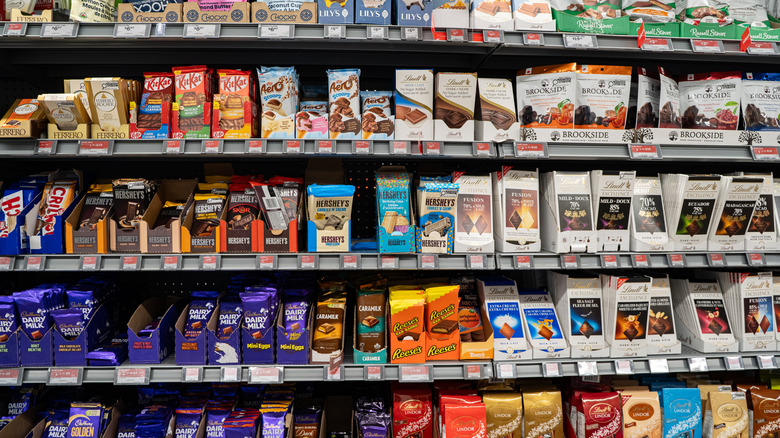
Boomers, Gen Xers, and even some elder millennials will no doubt fondly remember candy bars for less than $0.50. Candy Wrapper Archive data suggests people in the '80s rarely paid more than $0.40 for a 1.5-ounce candy bar. The candy bars were large, and you could potentially enjoy two delicious options without spending an entire dollar. It's a far cry in 2026, where you'd be lucky to find any type of candy for less than $1.
In 2026, well-known chocolate candy brands can go for as high as $8. We found full-sized candy bars for sale at Walmart for $1.25. Even if that is relatively more affordable than some chocolatey options, it's still way more expensive than the candy bars of yesteryear. While it would be easy to point to inflation, there are other factors at play contributing to the skyrocketing cost of chocolate candy.
According to the U.S. Department of Agriculture, the cocoa crops across West Africa experienced a poor season in 2023. Issues reportedly continued into the 2024 season, leading to a dramatic drop in U.S. imports. Cocoa scarcity understandably will affect all products derived from the crop, especially chocolate candy. As long as problems persist relating to cocoa product availability and imports, the impact will likely be seen in grocery stores, especially for any chocolate products made using genuine cocoa.
3. Gas
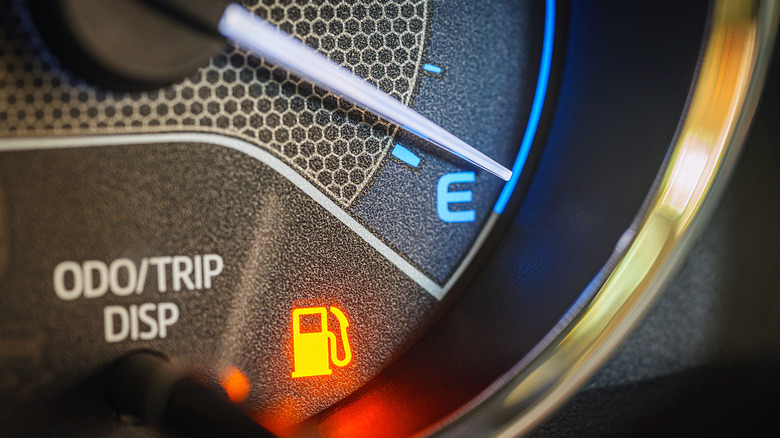
Americans no doubt assumed the 1970s gas crisis would be the worst experience they or their parents would ever see at the pumps. After all, '70s inflation gave way to '80s gas prices averaging between $0.90 and $1.40 per gallon. Yet with most cars holding between 10 to 20 gallons of gas, it wasn't too hard to fill up a vehicle for those prices.
According to U.S. Energy Information Administration (EIA) data, the average price for a gallon of gas in 2026 is around $4.24. In some states, Americans are paying very high gas prices, well above the national average. For example, Californians were paying $6 per gallon in April 2026. While $20 was once enough to fill your gas tank up and perhaps have enough spare change for a snack, it would be a rare feat if this amount were enough to get your tank half full.
Perhaps what's so startling is how quickly the price of gas surged in the first few months of 2026. In just February 2026, the price of gas jumped from $2.98 to over $4. Some observers blame the sudden increase in gas prices from the ongoing conflict between the United States and Iran. Specifically, this is due to the blockades of the Strait of Hormuz, a route through which approximately 20% of the world's oil gets shipped. While some hope that an end to conflict can help gas prices eventually drop, it's unlikely we'll ever see prices cheaper than what Americans enjoyed during the '80s.
4. Breakfast cereal
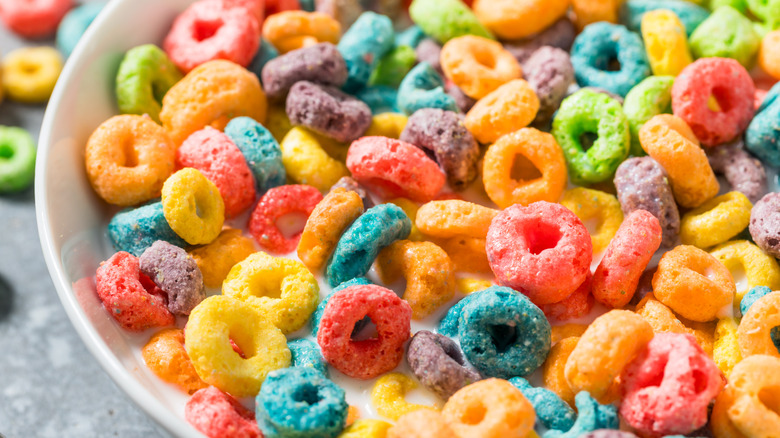
If you were a kid in the '80s, you likely fondly remember your Saturday mornings enjoying hours of cartoons between big bowls of breakfast cereal. Even by the end of the decade, cereal was considered a routine and delicious part of an average American's breakfast. If, for example, you were a fan of Kellogg's Rice Krispies, you could get a box at the local grocery store for just $1.89 in 1984. In 2026, if you were to head into town to Walmart, that same box would likely cost $4.98.
Some of the most popular breakfast cereals have seen their prices climb year after year since the '80s. As breakfast cereals get more pricey, many American shoppers wonder if it's a waste of money to buy them, as the boxes and portions continue to get smaller. This phenomenon, better known as shrinkflation, is sometimes blamed on cereal companies. In reality, it's the grocery stores that set the prices, and potentially set up all parties for failure. Americans of all ages aren't buying breakfast cereal at rates seen in past decades. Some outright blame Gen Z for the sharp decline in cereal sales. Thanks at least in part to those high prices, no one's sitting down to enjoy Saturday morning cartoons, bowl of cereal in hand.
5. Concession stand food
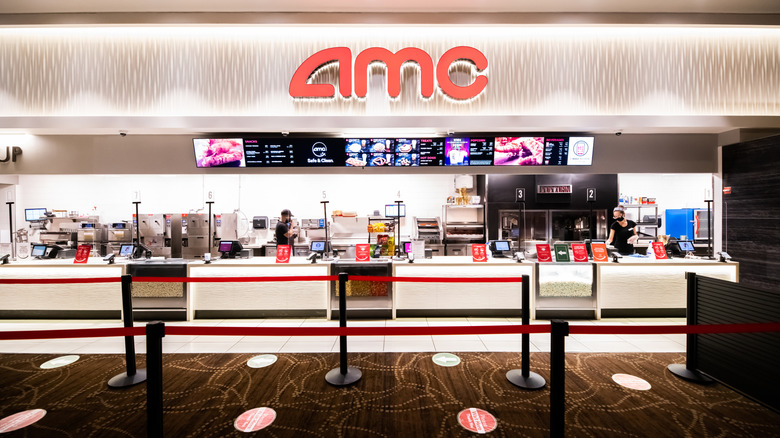
Whether taken out to the ball game or to movies to see the latest Hollywood blockbuster, a stop at the concession stand was a must. During the '80s, you might pay around $0.75 for a bucket of buttery movie theater popcorn. As for baseball fans, the LA Times reported that by 1989, they could expect to pay $1.50 for a hot dog if attending a game at Anaheim Stadium. No matter the event, if hitting up the concession stand, the prices were far more affordable than what Americans experience in 2026.
In 2026, affordability at the concession stand looks way different. According to reports, the cheapest hot dogs at baseball games tend to cost around $3. Some stadium stands charge hungry fans as much as $8. This is without factoring in the cost of beer, soda, or other snacks. Meaning, it's entirely possible that one person could spend $20 on all their food. That's a far cry from the '80s, when $20 could easily feed you and a friend.
If you opt for the movies over a sports game, don't expect savings. Even a medium bucket of popcorn costs $7.99 on average. It wasn't just cheaper to see a movie or a ball game back in the '80s; the food that added to the experience was far more affordable as well. It's not too surprising that with sky-high prices, Americans aren't necessarily flocking to these places at rates seen in the past.
6. Monthly phone bills

In February 1983, the New York Times revealed Americans paid $10.20 per month for phone services. They noted that on average, people were paying just $8.61 in 1980. This no doubt felt like a sharp increase for the time. There was also a concern that the breakup of the American Telephone and Telegraph Company could send phone prices surging to $20 or $30 per month.
What they could not have known is that even if monthly phone bills did increase to $30 per month by 1985, Americans in 2026 would be more than happy to pay. J.D. Power found Americans spend an average of $141 on their phone bills. In keeping with the Federal Reserve's target 2% annual inflation rate, even if phone bills jumped to $30 per month in 1985, the rates would still be lower than the the 2026 average. In other words, these rates are far above what you'd expect after factoring in year-over-year inflation.
One reason why people have such high phone bills is that many are simply overpaying for service. Per a 2025 WhistleOut report, American families on average spend $2,200 per year on cell phone service. Households sign up for service from big carriers like Verizon, AT&T, and T-Mobile, often selecting unlimited data plans. Per WhistleOut, these contracts cost families around $240 each month. In addition to expensive plans, the taxes and fees push phone bills even higher. Much higher, we're willing to bet, than even what the New York Times expected when sounding the alarm in the mid-'80s.
7. Attending concerts
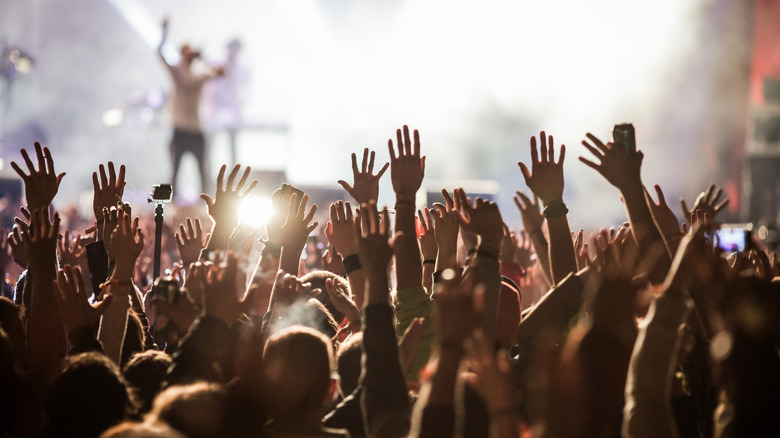
For adults and teens in the '80s, it was so much cheaper to experience the biggest music acts of the era. No matter the genre of music, you could see your favorite performer for less than $30. In some cases, tickets reportedly were as low as $15. Because these shows were so affordable, they drew massive crowds at a rate that few major artists in 2026 will ever experience.
Popularity metrics in 2026 may not be quite the same. After all, big stars can directly engage fans through social media posts and YouTube releases. However, sold-out concerts are still seen as a telling way to measure an artist's popularity. The fact is, concert tickets in 2026 are so expensive, that it's made it harder than ever for musicians to sell out shows. Per Pollstar, concert tickets to see major acts start at around $136. Meanwhile, Business Insider reports that some stops of the South Korean boy band BTS charge almost $600 for tickets, with some seats costing as much as $6,445.
In their specific case, BTS is popular enough to sell out shows, no matter what the ticket prices are. However, many acts find that they can't and are forced to cancel. To be fair to today's music artists, much of the problem surrounding concert affordability falls squarely in the lap of Ticketmaster and Live Nation. They are widely blamed for sky-high concert prices, thanks to a virtually unbroken monopoly. Until something is done, it's likely that Americans will be forced to steer clear of live shows that go beyond their budget.
8. A Disneyland day pass
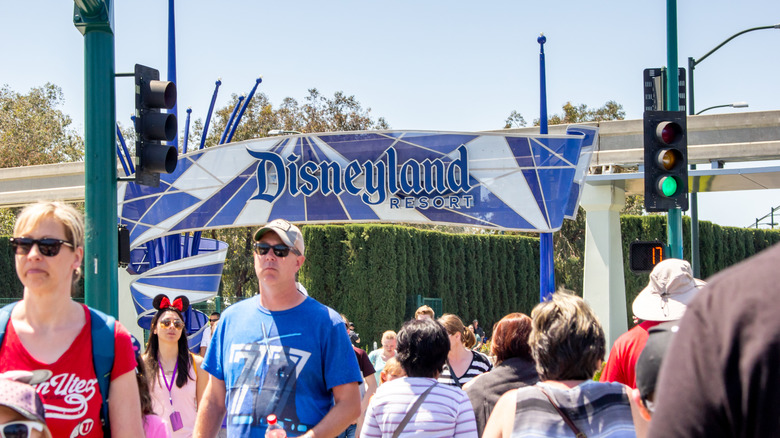
As many boomers and Gen Xers can tell you, many kids of the time dreamed of a family vacation to Disneyland. At the time, that dream was far more budget-friendly than in 2026. For instance, one person happened across a 1988 special value souvenir guide that included Disneyland admission prices for the time, in which a day pass for an adult cost $21.50. Meanwhile, passes for kids aged three to eleven cost $16.50.
The person who happened across the old guide claimed they paid $97 for admission. Meanwhile, the average Disneyland day pass in 2026 costs $224. These latest rates are the direct result of price increases in 2026. As such, a family hoping for a magical day at Disney could pay close to $900 for their passes. According to Disney, day passes typically allow entry into the park and cover the cost of rides and entertainment. You can even meet Mickey, Minnie, and other beloved characters. However, there are still other expenses that typically aren't factored in, such as food and beverages or merchandise.
Moreover, travel and accommodation costs for Disneyland trips are far more expensive in 2026 than they were in the '80s. Business Insider writer Daryl Austin shared that taking his family of six on a Disney vacation ultimately cost around $9,000. We doubt '80s families could imagine spending even half as much to make their Disney dreams a reality.
9. First-class plane tickets
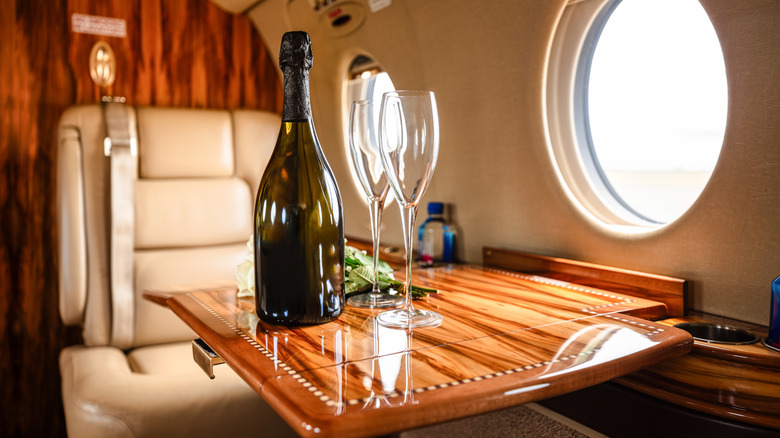
When you say "first-class," one immediately imagines traveling in luxury. There are various videos on YouTube of the benefits that come with first-class airplane tickets, whether it's exclusive menu items, a private airport lounge, or even a private bed. We also associate first-class travel with expensive airplane tickets. Still, these tickets were somehow far less expensive in the 1980s than they are in 2026.
Per a 1985 New York Times article, first-class tickets from New York to Paris cost $3,300, round trip. Fast forward, and that same route is much more costly. As of May 2026, some of the most affordable tickets for this same route cost around $5,000. Likewise, the priciest first-class options cost about $24,300. Indeed, for longer routes around the world, first-class travel in 2026 can supposedly average between $15,000 and $28,000. Such an expense is probably hard for the average American to fathom, as a single round trip at this price is nearly the equivalent of buying a car.
As for what caused luxury first-class ticket prices to spike, there are a few reasons. AARDY Travel Insurance argues that one of the main reasons is that first-class seating or roomettes take up a considerable amount of plane space. Others claim that first-class pricing is driven by wealthier travelers who desire a higher level of privacy and are willing and able to meet the pricing demands. Whatever the case may be, it was undoubtedly cheaper to be a first-class passenger during the '80s, perks and all.
10. Buying a new car
According to MoneyLion, citing Morris County Library records from 1980 until 1989, new cars cost anywhere from $5,300 to $15,750. Though you can definitely see the impact of inflation across the decade, it's still nothing compared to how expensive cars are in 2026. For instance, used cars in 2026 are about $30,000 on average.
If you decide to purchase a new car, MoneyGeek says you should expect to pay about $48,441 in 2025. Of course, new car prices can get even higher depending on the type of car you're hoping to buy. Ford Authority notes the base price of an F-150 truck is $40,000. However, if you buy an F-150 Raptor R with various customizations, the cost can balloon to at least $114,000. While some upper-class Americans can afford this and even paying in cash, that's not the case for many people.
In addition to how expensive a new car is in 2026, '80s buyers could consider themselves car owners outright. It's possible that an expensive car purchase is just the beginning. Now, some fear that car companies are gearing up to impose monthly subscription services as a way to keep making money on car customers long after they've driven their vehicles off the dealership lot. With such a possibility in mind, it's not just the low prices Americans miss. We could someday also look back at traditional car ownership with a sense of nostalgia.