

Everyone Bought It In The '80s - Now It's What People Want For Retirement Security
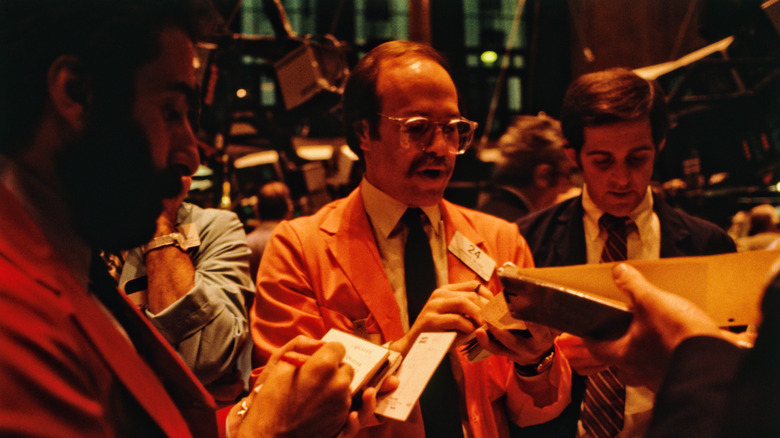
For savers and investors, the 1980s offered a rosier outlook on the future than the previous decade. This era certainly came with its own inflation concerns, but heading into the 1980s, savers had a newly emerging tool at their disposal. In 1976, John Bogle, the founder of Vanguard, introduced the Vanguard 500 Index Fund, ultimately opening the floodgates of fund options. Today, mutual funds have become a key tool for savers eyeing their retirement, with the Investment Company Institute (ICI) reporting that 53.7% of American households were invested in mutual funds in 2024.
These tools grew in popularity particularly during the 1980s. To start the decade, more than 11 million individual investors bought into them, and they quickly became a popular retirement savings vehicle thanks to the asset type's potential for a high level of appreciation over longer periods of ownership. Brookings Institution research published in 2008 also notes that fees began falling precipitously from 1980, likely also helping to drive adoption among investors and the returns they sought. Today's retirement saver isn't an analog to those of the 1980s, but many of the same underlying conditions can still be felt today, creating a desire to ground a portfolio in stable assets with long-trending positivity.
Investors are more interested in mutual funds than ever

Among some of the investing rules of the 1970s that are sure to stir up nostalgia for older savers is the concept of trying to time and beat the market. This era was a time with looser regulations insulating key corporate information from stock market players. The resultant revolving door of information made actively managed mutual funds a massive opportunity to cash in on institutional investors' prime knowledge position while capturing a broad swath of diversified assets all under one roof. This leads to the primary difference between mutual funds and other solutions like index funds and exchange-traded funds (ETFs): They're actively managed by a team of professionals, allowing for greater adaptability in the event of crucial marketplace changes. On top of a notable knowledge divide between institutional and retail investors, the '80s featured extreme inflation that could suddenly sway company fortunes. Today, investors are facing down their own inflation concerns while also navigating trade conflicts, warfare, and many other systemic pressures that can suddenly tip the scales.
Mutual funds also often target growth over certain, selected time horizons — such as the 35 years you'll want to ensure you work to bank a full slate of salaried years for Social Security. The Balance found that in 2023, the mean return for seven categorical mutual funds stood at 13.1%, outpacing the 10-year returns seen on Treasury bonds, real estate, and any of the individual funds featured in the study. This suggests that a wide swath of mutual funds are indeed a valuable option for long-term savers seeking high yields to support retirement accumulation.