

What Wall Street Knows About Market Crashes That You Don't (Until Now)
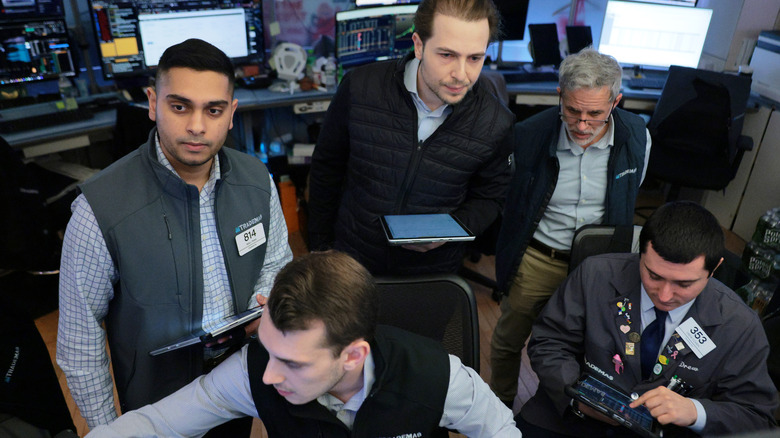
Wall Street traders have a natural leg up on the retail investor studying stocks from the comfort of their couch. They exist in a world of high-intensity stock movements, where every second counts for locking in precise unit pricing. Us mortals tend to look toward long-term horizons far more frequently, although that's not to say that institutional investors aren't fixated on long term performance. They have more balls up in the air, and they use a greater array of analytical tools and indicators than most traders will have even heard of during their time in the market.
Wall Street types have another important advantage that beginners can't leverage until they've lived through a particular phase of stock market performance. The market sees a bear trading period every 3.5 years, on average, and each lasts an average of just under 10 months. Wall Street traders have been through these periods, and they know exactly what to do when the market crashes. They know to stay the course and wait for clear skies, and they know that any other course of action will likely spell disaster for their portfolio. In contrast, novice investors often succumb to the panic that sets in when value tumbles.
Calmer heads prevail during market crashes, so keep your wits about you
Market corrections and total crashes happen regularly, and stocks lose an average of 35% of their value during bear trading periods. But their inverse, bull runs, see stocks gain an average of 112%. Institutional investors know that market calamity is fleeting. While others panic and try to leave the sinking ship, Wall Street traders double down on their investments, anticipating the rebound.
The market naturally wavers between phases of growth, decline, and the areas in between, and these fluctuations prompt some less-experienced investors to chase "the dip." However, Wall Street experts warn against holding out in an attempt to buy at the bottom. Instead, dollar-cost averaging may be the more prudent tactic. Sean Deviney, a certified financial planner, told CNBC that "doing a little bit over time will average out the good days and bad days and make [trading] a more palatable experience for you."
Automating your investments can be a crucial tool for maintaining stability and leveraging the eventual whiplash effect of a rebound. Even with this in mind, it's important to understand the role of market pullbacks and crashes in your long-term success. In 2022, a Bank of America Securities report revealed that each decade's 10 best and worst trading days accounted for a truly surprising volume of movement. The real change in market value since 1930 was 19,975%, but excluding the worst 10 days per decade resulted in a roughly 4,300,000% increase in value. Even without any ability to time the market well, systematically buying in to "average down" your portfolio (reducing your average cost per share by intentionally buying at lower prices) can capture some of that staggeringly powerful pricing magic.