

12 Cars That Have A Depreciation Rate That Beats The Toyota RAV4
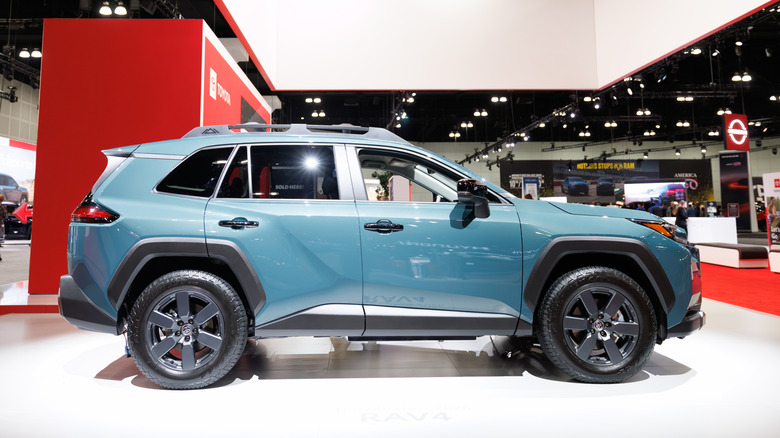
The Toyota RAV4 is an extremely popular SUV, celebrated for its solid capability, affordable maintenance expenses, and ability to retain value over time. According to Kelley Blue Book (KBB), the RAV4 sold 479,288 units in 2025, making it the third best-selling vehicle of the year. The entry-level trim for this in-demand SUV starts at $33,350, which is far below the average market price for a new car. KBB estimates that new cars in the U.S. list for around $51,440 on average, meaning the base-model RAV4 is roughly 35.2% more affordable than the market norm.
In addition, CarEdge projects the RAV4's 10-year maintenance bill to be $2,161 below the norm for its class, totaling only $6,005. The website also reports this model has a 7.98% lower risk of needing a serious fix in the same time frame than much of its competition. In terms of value retention, CarEdge also predicts the RAV4 will retain 48.99% of its original sales value after 10 years, while KBB finds the average car in the U.S. loses 45% of its value in half that time.
But even with all these figures working in its favor, the RAV4 isn't the smart buy it used to be. In addition to its rising retail prices, there are a number of financially accessible models out there that depreciate even more slowly than the RAV4. If you're looking for a vehicle for the long haul that could still yield you reasonable returns on the resale market, one of these cars might be a better bet.
1. Honda Civic Si
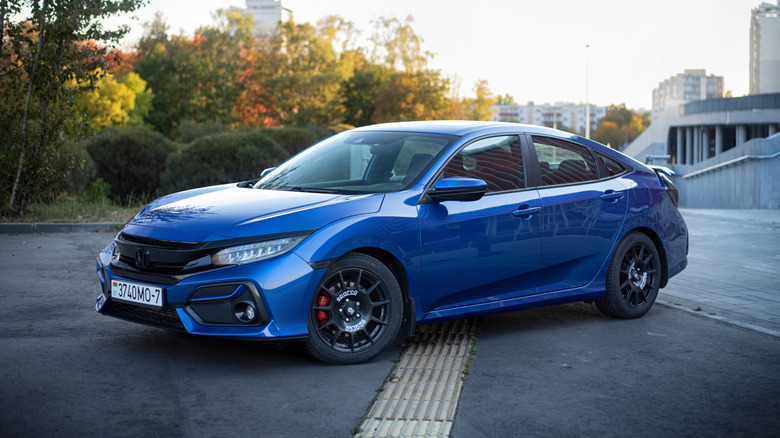
The Honda Civic is among the best-selling cars that are also the most reliable. Though lesser known, the Civic Si variant still enjoys a competitive depreciation rate. This spruced-up, performance-oriented model packs a more powerful engine into a similar-looking frame to that of a conventional Civic. CarEdge puts the Civic Si's value retention after 10 years at a stunning 49.15%, which means it maintains nearly half of its value over a decade of ownership. With a starting MSRP of around $31,500, a long-time Civic Si owner could feasibly sell their vehicle for upwards of $15,482. Meanwhile, if you're thinking twice about buying new, purchasing a two-year-old Civic Si could cut your investment by upwards of $7,088.
The prolonged maintenance costs of the Honda Civic Si are also reasonable. Over 10 years, the average driver puts roughly $5,714 into this sedan, and CarEdge also reports the supercharged vehicle comes with a 16.08% probability of facing a serious issue over the course of that decade. Both of those figures are almost exactly aligned with those of the average vehicle in its class, but the sticker price suggests there are still savings to be had: A new base-model Civic Si starts at roughly 5.6% less than a new RAV4, and that gap grows considerably larger when you compare the manual-only sedan to the RAV4's higher-end trims.
2. Ram 2500
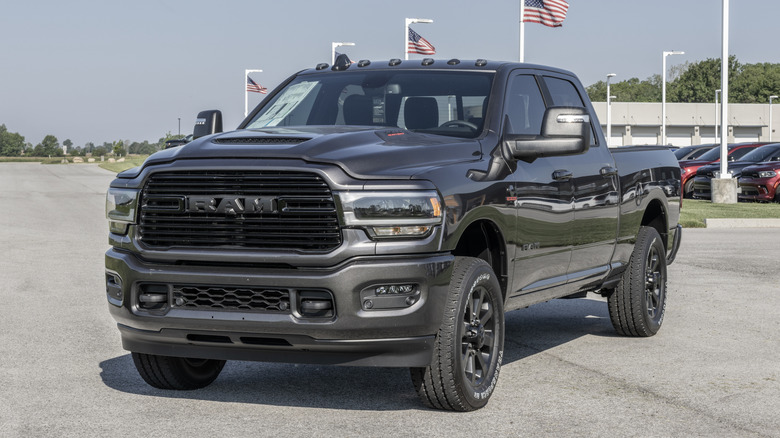
Ram trucks aren't for everyone. Largely due to their higher upfront and maintenance costs, Ram is among the car brands retirees instantly regret getting. Still, the heavy-duty Ram 2500 bucks the misconception that larger, more expensive vehicles depreciate at a faster pace than the average alternative. After a decade, it still maintains over half — 50.14%, to be exact — of its value, assuming a listing price of $68,569. So, CarEdge predicts you can drive this pickup for 10 years and still sell it for about $34,380.
Unfortunately, resale value is largely where this model's financial appeal ends: CarEdge calculates that the typical owner spends around $27,228 over the course of a decade to keep this large vehicle up and running. This hefty cost even outpaces the average maintenance expenses of the heavy-duty class by $9,432. The picture doesn't look any better when you factor in the risk of a serious repair: Within 10 years, the Ram 2500 comes with an 81.79% likelihood of needing a considerable fix, 29.72% worse than much of its competition. A new Ram 2500's base trim starts at $46,855 and can run you well over the $50,000 mark. So, consumers looking for the additional size and capability that comes with this oversized truck will need to pay a premium of at least 28% more than that of a RAV4 to enjoy it.
3. Honda HR-V
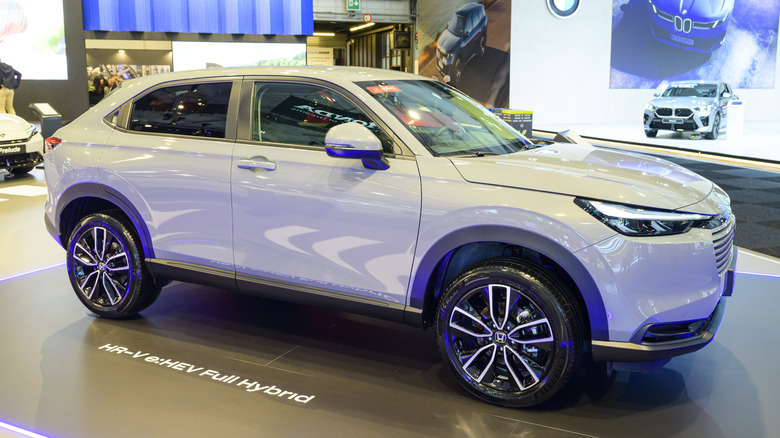
The Honda HR-V has a reputation for its compact versatility and straightforward driving experience. In addition to these accolades, the HR-V beats out the Toyota RAV4 in terms of depreciation rates. This stripped-down and more affordable version of the popular Honda CR-V easily maintains more than half of its initial sales price across a decade. By the 10th year, the average Honda HR-V could hold a residual value of 50.3%. So, CarEdge reports owners could plan to sell this compact SUV for $15,244, presuming they bought it for around $30,300.
Owners also benefit from a lower-than-average maintenance bill. After a decade of driving this SUV, the average HR-V owner would have dedicated about $7,479 to general upkeep. That's a decent $687 beneath the standard for similar vehicles. CardEdge also notes drivers of the HR-V also experience a 21.74% likelihood of needing to cover a serious repair, which is 2.85% under the norm for its class. The cheapest 2026 Honda HR-V trim is priced at $26,500, falling around 21% under the RAV4's off-the-lot price.
4. Subaru Crosstrek
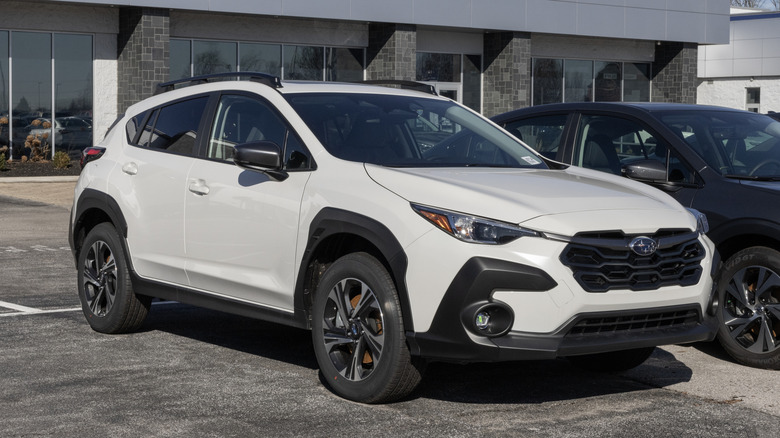
Subaru is lauded for its loyal customer base and reliable lineup of long-lasting vehicles, and few of its models exemplify this reputation like the Crosstrek. According to CarEdge, the Subaru Crosstrek features a 10-year residual value of 50.67%, easily beating out the RAV4's already impressive depreciation rate. If you purchased the Crosstrek brand-new for $31,563, you could still have a vehicle worth $15,993 after a decade. Those preferring to buy used could slash upwards of $6,382 from the price tag by opting for a two-year-old model. The Subaru Crosstrek is also one of the cheapest new cars to insure, helping to further drive down the long-term costs of ownership.
After driving the Crosstrek for 10 years, CarEdge predicts your total maintenance bill could add up to roughly $8,460 — around $294 more than the average for a compact SUV. In addition, the Crosstrek's risk of needing a considerable repair in the same time frame is 24.76%, only 0.17% higher than the average for comparable models. The 2026 Subaru Crosstrek's most accessible trim starts at $26,995 — about 19.1% lower than a new Toyota RAV4 — all while offering more value in the long run.
5. Toyota Corolla
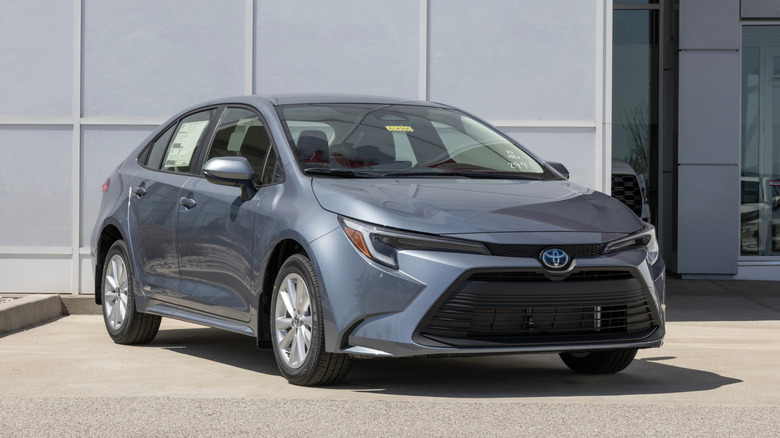
Consumer Reports has highlighted a certain Toyota Corolla model as a top-selling car that is also super reliable, but the entire series' superior dependability is only enhanced by this sedan's ability to retain value over long periods. CarEdge reports you can drive the Corolla regularly for 10 years straight, and the vehicle will still hold onto 51.35% of its original sales price. By the website's calculations, if you purchased the sedan new for $27,595, you'd still be able to sell it for $14,170 after a decade. Meanwhile, opting to buy a Corolla from just two model years earlier could bring its sticker price down by a sizable $4,851.
On top of a premium depreciation rate, the Toyota Corolla comes with a relatively manageable long-term maintenance burden. CarEdge estimates the average owner only dedicates about $4,434 to upkeep within the first decade of ownership. This figure is about $1,312 lower than the average cost of sedan upkeep. Another appealing aspect of the Corolla is its relatively low 12.28% risk of requiring a considerable fix within a decade, which is 4.41% lower than what you'd face driving some comparable models. The entry-level trim for the 2026 Toyota Corolla lists for $24,575, making this option around 26% more affordable than a new RAV4. Impressively, even the Corolla's priciest hybrid trim still comes in at several thousand dollars less than its larger cousin.
6. Honda Civic
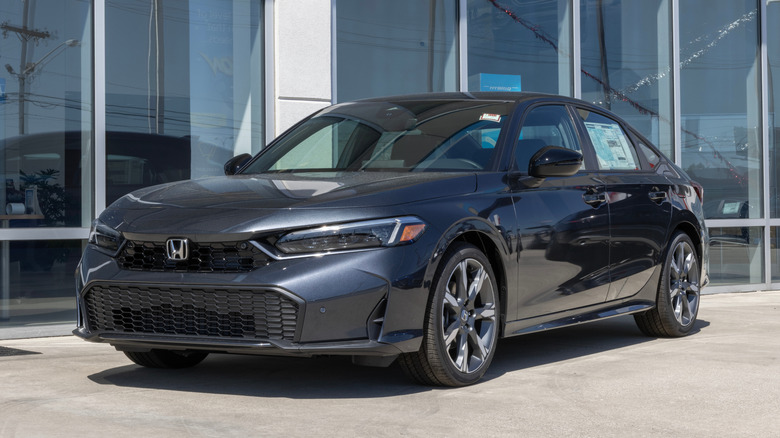
The Honda Civic Si's depreciation rate may outrun that of the Toyota RAV4, but the conventional Civic is even more resistant to lost value over time. By CarEdge's calculations, you could purchase a Civic new for $27,500, use it for 10 years straight, and still reasonably list it for $14,658 on the resale market. This means the Civic maintains 53.3% of its value after a decade of daily use. Meanwhile, waiting two years to buy a Civic after its release date can cut down your initial investment by over $5,000.
CarEdge projects the decade-long maintenance costs of the Civic can reach $5,634. Generally, sedans are cheaper to keep running more smoothly than other vehicle types, but the Civic still falls below the class average by $112. Furthermore, owners only face a 16.08% likelihood of having to pay for a major fix in the same period. This is right in line with the average, at only 0.61% lower than the norm for comparable sedans. You can pick up a brand-new 2026 Honda Civic for just $24,695, which is 26% lower than the same RAV4 year model. Those with the budget to spring beyond the entry-level model may also be especially interested in the 2026 Civic Hybrid, which was judged to be one of the top hybrid cars with the best gas mileage, according to Consumer Reports.
7. Toyota 4Runner
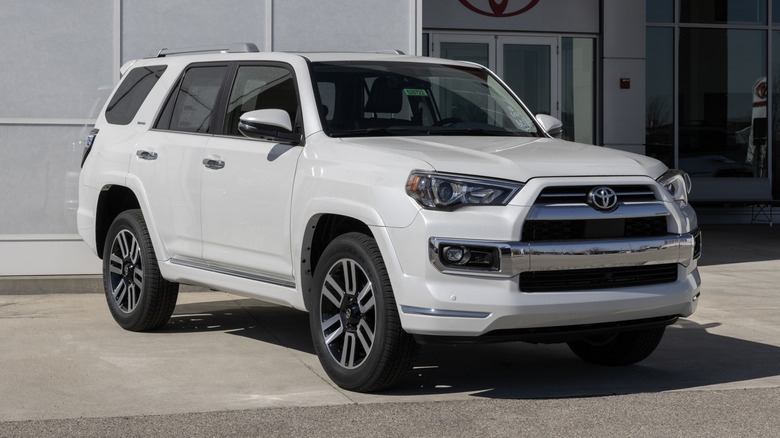
The Toyota 4Runner is one of the vehicles more reliable than the Toyota Tacoma, yet it falls short of this truck's depreciation rate. To be sure, the 4Runner's residual value after 10 years still far outperforms that of a normal vehicle. CarEdge projects that this SUV maintains a staggering 54.36% of its value following 10 years of routine use. So, if you buy a 4Runner for about $53,617, recouping $29,146 is feasible if you sell it on the second-hand market. Unsurprisingly, the 4Runner has been recognized as one of the Toyota vehicles with the best resale value, ensuring long-time owners get a decent return on what could otherwise be a rapidly depreciating asset.
This laudable depreciation rate is mirrored by a cheaper maintenance bill than most SUVs rack up. CarEdge projects the 10-year upkeep expenses of the 4Runner to reach $6,322, saving drivers $1,844 compared to similar models. Furthermore, drivers are 7.98% less likely to need to cover a serious fix over that period of time, with CarEdge reporting the likelihood of expensive 4Runner repairs to be 16.61%. The 4Runner comes in a dozen different trims, ranging in price from $43,665 to $69,695. So, even opting for the most affordable model would still run you nearly 32% more than the base value of a new RAV4. However, the 4Runner's increased space, utility, and resale value could make this higher premium a reasonable tradeoff in many prospective drivers' eyes.
8. Ram 3500
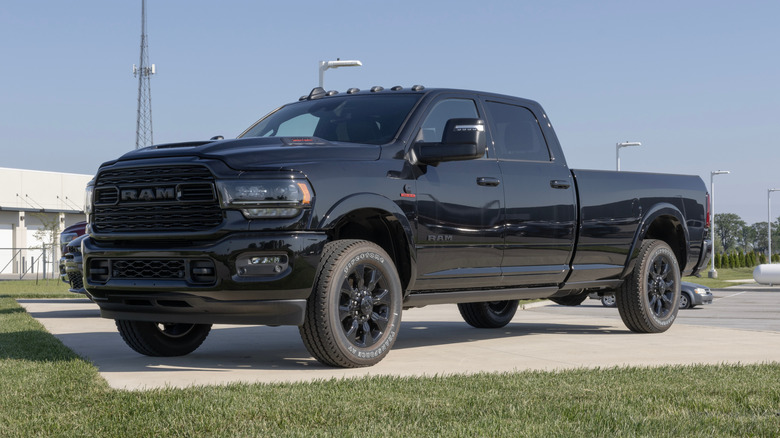
The Ram 3500 is the big brother to the 2500, featuring higher towing and payload capacities. Notably, this heightened strength and performance also come with greater resistance to depreciation. CarEdge reports that the Ram 3500 has a 10-year residual value of 55.11%, meaning the average unit will lose roughly 45% of its value over the course of a decade of regular use. You can drive this heavy-duty pickup for 10 years straight and it could still be worth as much as $38,256 if you bought it for $69,417.
Unfortunately, much like the 2500, the Ram 3500's above-average maintenance needs reflects the brand's poor reputation in terms of potential ownership costs. CarEdge suggests that the typical owner could wind up about $27,244 deep in upkeep costs at the 10-year milestone. This is a whopping $9,448 more than the average for comparable truck. To boot, the 3500 sees a 81.79% risk of demanding a serious fix within the first decade, which is 29.72% higher than the average large truck. These figures make the Ram 3500 the most expensive vehicle to maintain on this list. Though certain models can come with a much higher MSRP, the Ram 3500 starts at $48,155 — over 44% more than what you'd pay for an entry-level RAV4.
9. Jeep Wrangler
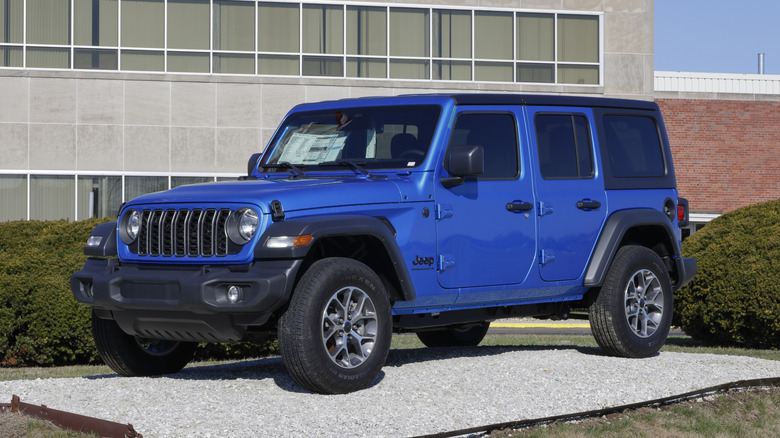
The Wrangler doesn't come from the most reliable marque, with many car brands earning better reliability reputations than Jeep. Yet, it's challenging to argue with the Wrangler's competitive depreciation rate. According to CarEdge's statistics, the Jeep Wrangler holds onto 55.44% of its value a decade into ownership. Driving this nameplate for 10 years can still yield a resale value of $26,736 from a starting price of $48,226. Much of the Wrangler's depreciation occurs in the first years after purchasing, so opting for a unit from as little as two model years earlier than the current one could save you nearly $12,000. After two years, the Wrangler starts to depreciate at an exceptionally slowed rate, so you could stand to make back an even larger portion of your initial investment if you buy from the resale market.
Although the Jeep Wrangler performs well in terms of value retention, CarEdge shows it's a costly vehicle to maintain. At the 10-year mark, the average owner will have put $11,129 into general repairs and upkeep, which is a notable $2,963 above the norm for comparable SUVs. The Wrangler also has a 7.56% higher probability of hitting owners with a serious repair cost, with the odds set at 32.15% over a decade. There is a wide selection of 2026 Jeep Wrangler trims available, starting at an MSRP of $36,035. That may mean that a new Wrangler costs roughly 8% more than an entry-level RAV4, but the slowed depreciation could certainly compensate for that added investment.
10. Toyota Tundra
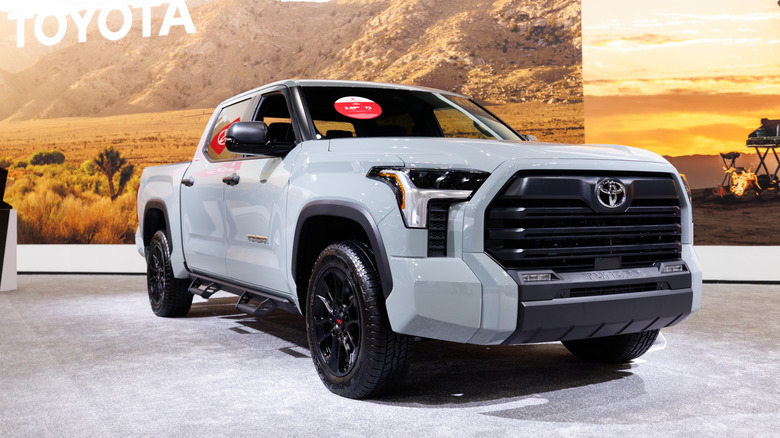
The Toyota Tundra stands out as much more dependable and affordable than many flashier or better-selling models. For instance, the Toyota pickup is one of the most reliable vehicles compared to a Tesla Cybertruck, and features a better depreciation rate than the top-selling RAV4. CarEdge states that the typical Toyota Tundra retains an exceptional 56.18% of its initial sales value after 10 years of routine use. Assuming a retail price of $59,055, this leaves owners with a solid resale value of $33,177 after a decade.
In that time, owning a Tundra could require you to shell out upwards of $7,226 for general maintenance and upkeep, which is higher than many sedans but competitive for the truck classification. CarEdge says that its decade's worth of maintenance is $2,399 lower than the average cost of keeping competing pickup trucks up and running. Keeping up with Toyota's reputation for safety, the Tundra also comes with a 10.51% lower risk of requiring a serious fix within the same time frame than that of comparable models. Based on CarEdge's research, there's a 19.12% chance you'll need to shell out for a serious repair. Similar to other Toyota models, the Tundra comes with a wide range of trim types, giving consumers plenty of options. The base trim goes for $41,260, which is 23.7% more than the equivalent RAV4 model.
11. Chevrolet Silverado 3500HD
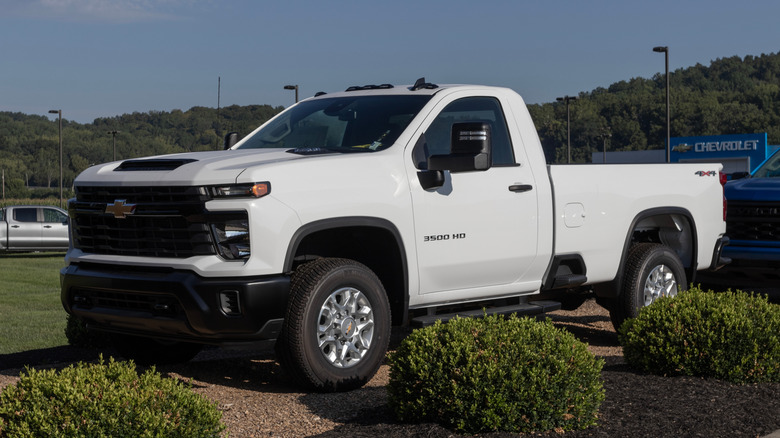
The Silverado 3500HD is Chevrolet's answer to the Ram heavy-duty truck lineup. Despite their hefty price tags, these massive pickups retain their value well over time: The Silverado 3500HD boasts a 10-year residual value of 61.39%, even after continuous use. CarEdge's calculations suggest if you purchase a new Silverado 3500HD for $59,504, it would still be worth about $36,530 in 10 years — more than what many cars on this list cost brand new. Unfortunately, the Chevrolet Silverado 3500 models are also some of the worst cars in terms of theft frequency, so some of your potential savings could be offset by risk.
Compared to people who drive a Ram 2500 and 3500, Chevrolet Silverado 3500HD owners enjoy relatively affordable maintenance costs. Of course, these rates are higher than the average car, but actually fall under the standard for heavy-duty vehicles by $2,454 on average. Generally, CarEdge puts the 10-year upkeep expense of the Silverado 3500HD at $15,342. This pickup also comes with a 44.77% likelihood of needing a significant fix in 10 years, a figure that's 7.3% lower than what experts expect from other models in its class. The baseline cost of the 2026 Silverado 3500HD is $49,900, making it at least 49.6% more expensive than a RAV4. Of course, whether the Silverado's potential return on investment down the line makes up for this sizable gap in price tags is entirely up to the individual driver and what they need from their vehicle.
12. Toyota Tacoma
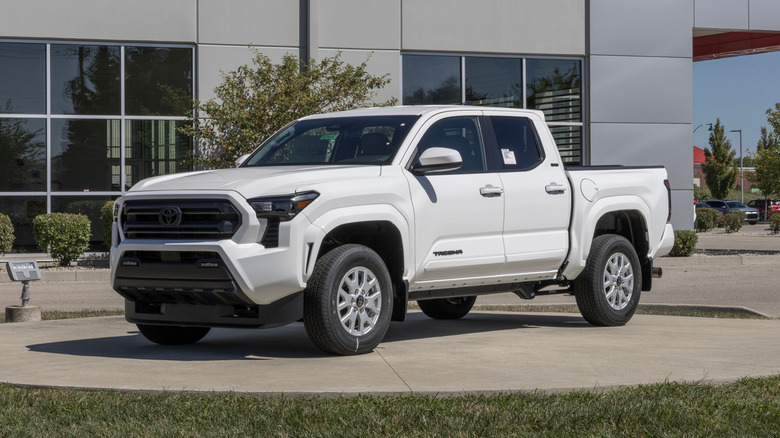
Although it may not be the most reliable car on the market, few sedans, SUVs, or trucks can beat out the Toyota Tacoma's depreciation rate. CarEdge predicts the average Tacoma will retain an exceptional 65.48% of its initial sales price through an entire decade of routine use. That means 10 years only shaves off 34.52% of its value. If you buy a new Tacoma for $44,395, it will still be worth around $29,070 after all that time. Looking for a way to cut down on the price of this truck? You could save upwards of $8,000 by opting to buy a model that's been on the market for just two years.
Even better: CarEdge indicates that the Tacoma comes with much more reasonable long-term maintenance costs than other trucks. In fact, the Tacoma's decade-long upkeep burden beats out its class' average by $2,694. Statistically, Tacoma owners may want to budget about $6,931 to keep their pickup driving optimally if they plan on hanging onto it for 10 years. Tacoma drivers also face a 19.12% risk of having to pay for a serious fix in the same period, which is 10.51% better than the odds faced by much of its competition. The 2026 Tacoma comes in nearly a dozen different trim styles, with the entry-level model listing for a reasonable $32,245. If you secure a lower-end Tacoma variant, you could stand to save around 3.3% compared to the RAV4 and drive with the confidence that you could likely sell this mid-sized pickup for a sizable return down the line.