

This Homeowner Earns $4,500 A Month Renting Out Tiny Homes In Her Backyard
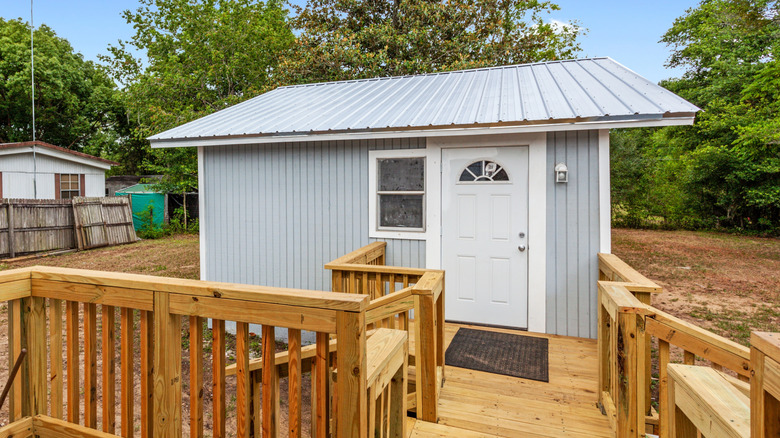
Although the price of homeownership in the U.S. has trended downward in 2026, many consumers may still be tempted to move to areas where it's cheaper to rent than buy. Even those who already own property aren't exactly living in a state of bliss, with a 2025 Hometap survey finding that over 54% of homeowners live with economic stress. However, many of those people could potentially alleviate some of that anxiety by considering an accessory dwelling unit (ADU). ADUs are smaller residential living spaces that exist on the same property as a larger home. Not only are these largely legal to build and rent them throughout much of the U.S., but they could be the answer to any money concerns.
Speaking to Business Insider, Portland, Oregon, homeowner Emilie Karas revealed that she earns $4,550 every month thanks to the two ADUs and the tiny home on wheels (THOW) that she rents out on the same property as her primary dwelling. While not everyone will have the space or capital to add three extra living spaces onto their land, it could be feasible to rent a single ADU for between $1,200 and $2,000 per month, or more, depending on your location and the size of the space. As of 2026, there are both densely populated states and rural areas with zoning laws that accommodate and even encourage ADU construction. While there are sizable upfront costs involved, those who can foot the initial bills may find renting an ADU to be a lucrative source of income.
The expenses and logistics that come with building an ADU
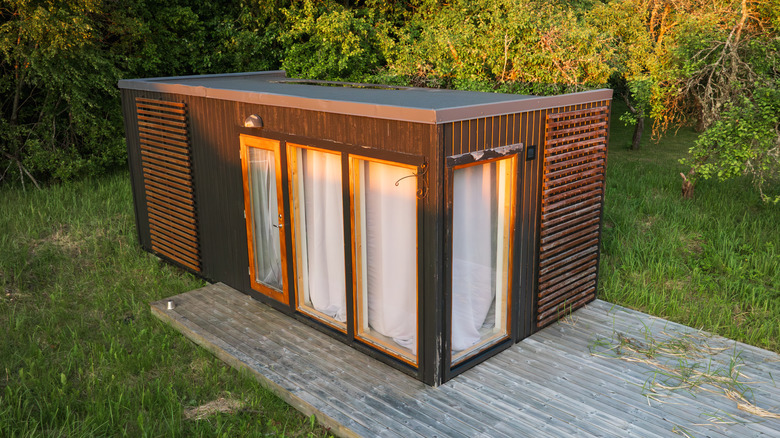
The primary upfront cost that comes with renting out an ADU is installing the structure itself. Emilie Karas explained that she spent around $300,000 building her two ADUs, and around another $60,000 to install the THOW on her property. However, you can spend a lot more than that — or a lot less — depending on what you're looking to add. HomeAdvisor reports that the average tiny home build costs around $45,000, while other estimates suggest that investing well over six figures into the project is within the range of possibilities for a custom build. Alternatively, the timber construction company DC Structures prices pre-designed ADU kits at less than $25,000, so there are certainly more affordable options out there.
However, building isn't the only expense you'll need to account for. While ADUs are welcomed in many communities, you'll likely still need to apply for permits and get your designs approved by local authorities before you can begin construction. The City of Portland, for instance, estimates that the approval and permitting process could cost prospective ADU owners almost $37,000, with integration into the city's water and sanitation systems making up the brunt of that investment. However, you may find that in certain areas — rural states in particular — you can recoup these permit costs in just a few months via rent money from the ADU once it's ready to rent out.
How to minimize costs when building and renting an ADU
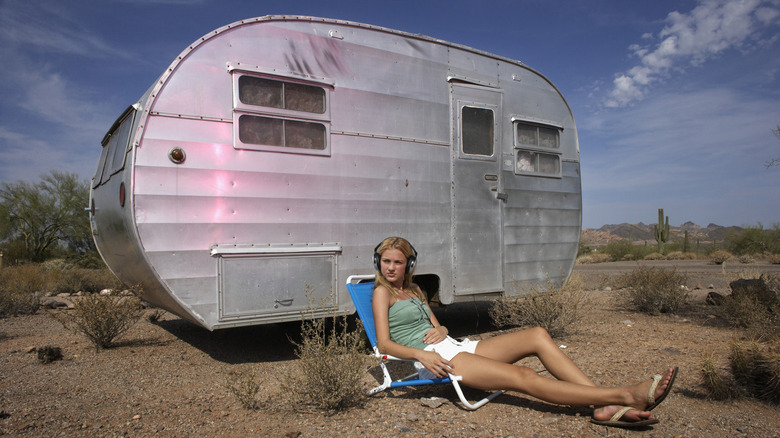
While the costs of getting an ADU ready to rent out may seem prohibitive, there are ways to reduce costs. For one thing, many homeowners may qualify for sizable tax breaks that could free up funds to put toward an ADU. Similarly, many communities actively encourage the construction of ADUs, as they bring affordable housing to an area and can stimulate the local economy. For this reason, some states and organizations actually award homeowners grants to make the ADU-building process more accessible. For example, an Oregon nonprofit actually helped Emilie Karas access a favorable loan in order to build her ADUs.
It's also worth noting that you don't need to build an entirely new structure: ADUs can also be built as additions to existing buildings or converted from basements or garages. If the home you own already has one of these spaces, that could save you a good deal of effort and money you'd otherwise put towards construction. Taking a page from Karas' book and pursuing rentals on wheels can also be a viable alternative. In addition to being cheaper to purchase and install than her ADUs, Karas told Business Insider that the fact that the THOW is technically a vehicle — as opposed to a building — meant its permit-approval process was much less arduous. Opting to establish a mobile home setup on your property could keep the rental process more self-contained and affordable than that of a conventional ADU, while still bringing in valuable income.