

12 Cars For A Retiree, Ranked Worst To Best

Buying a car for retirement comes with unique considerations. First and foremost, you want a reliable vehicle that's not going to break down often, running up the cost of repairs and ruining your plans. Although you've built up a nest egg, you still want a vehicle that's reasonably priced. This way, you're not overspending on an asset with notorious depreciation challenges, and you're de-risking in the event of vehicle issues. Be sure to stay away from cars that will instantly drain your savings. In a more practical sense, you'll ideally want a car that has a smooth ride, intuitive controls, and easy accessibility. Similar to reading reviews before buying a product, looking at the customer satisfaction levels for vehicles is a solid way to determine their long-term dependability.
To help seniors identify the most fitting vehicles while avoiding the lemons, Money Digest explored the best and the worst of what the modern automotive market has to offer. We started by looking at Consumer Reports' list of new vehicles and filtering vehicles for predicted reliability and customer satisfaction to gauge each model's long-term dependability. We also considered initial sales price and maintenance expenses from a financial perspective. Crash test data and recall information were other considerations to determine the safety features for seniors. Together, these helped inform our list of the following 12 cars for retirees, ranked from worst to best.
1. 2026 Ram 1500
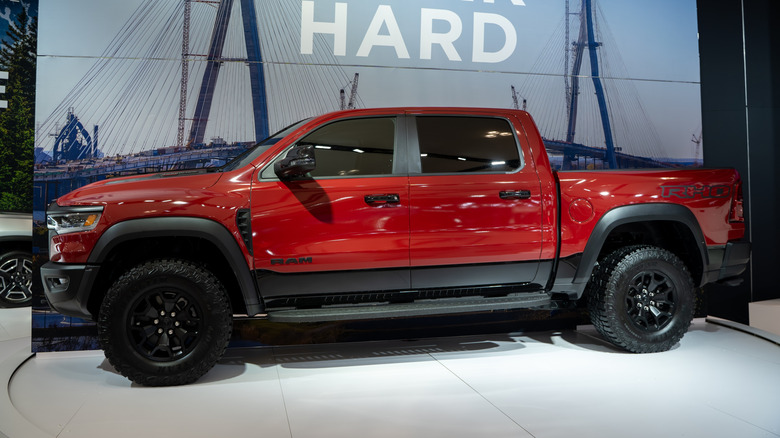
The 2026 Ram 1500 clocks in as one of the worst vehicles for retirees with an abysmal reliability score, per Consumer Reports. This nameplate has been riddled with dependability issues throughout the years, but the most recent model suffered from issues with its built-in electronics and build quality. In fact, the Ram 1500 is one of the least reliable pickup trucks on the market. The high ground clearance can make it challenging for seniors to comfortably enter and exit the vehicle. Plus, the Ram 1500 is criticized for stopping slowly on wet ground. Despite these negatives, this popular truck model still sees positive owner satisfaction and road test ratings. The price range is on the higher end, jumping from $42,025 to $88,800. This stretches far above the average price of a new car, which is $49,353, according to Kelley Blue Book.
Beyond a steep sales price, the Ram 1500 is burdened with a lofty maintenance bill. CarEdge estimates upkeep costs about $19,201 in the initial 10 years of ownership. For reference, that's nearly double the average for similar trucks, leaving seniors on the hook for unnecessarily elevated repair costs. To make matters worse, the Ram 1500 faces a 56.60% of requiring a considerable fix in the same timeframe, again, much higher than the average. The Insurance Institute for Highway Safety (IIHS) gave the 2026 Ram 1500 mixed results. It received the worst results in its moderate-overlap front test and the second-lowest on its front crash vehicle prevention system and its seatbelt reminders. The National Highway Traffic Safety Administration (NHTSA) reports two recalls for the 1500 Ram in each of its crew and quad cab varieties.
2. 2026 Chevrolet Equinox
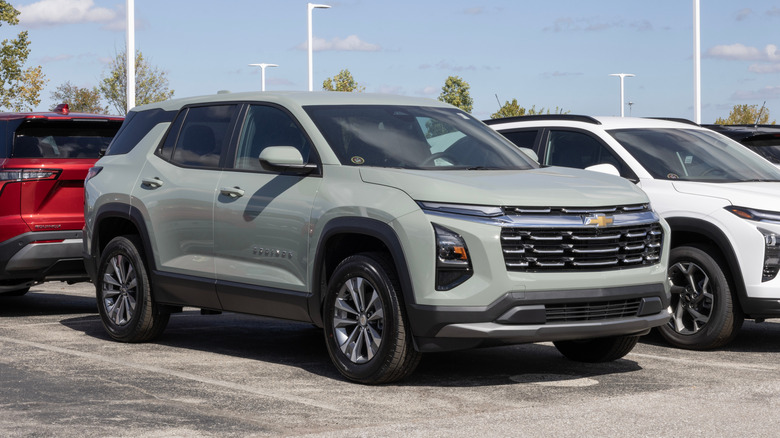
Consumer Reports assessed the 2026 Chevrolet Equinox to have one of the lowest reliability ratings among the entire year's lineup. Owner satisfaction barely made it above the midrange, although its road tests were deemed successful. Similar to the 1500, some seniors may find the Equinox's ride height awkward for accessibility. This nameplate's dependability was marked down primarily due to its in-car electronics, powertrain, and overall build quality. The 2026 Chevrolet Equinox has a compelling price range of $28,800 to $35,600, which falls well below the average cost of a new car. However, the SUV's downsides struggle to justify the purchase for retirees, even at a moderate price.
CarEdge suggests that Equinox owners spend $1,030 more on upkeep than for comparable models over ten years. Overall, maintenance costs during this period reach $9,196. The model also sees a 2.32% higher chance of needing a serious repair in this timeframe. IIHS has extremely limited test data on the 2026 Chevrolet Equinox. The only result in crashworthiness was for whiplash protection, which earned decent marks. The 2024 model, the last production year to receive in-depth testing from the IIHS, received bad scores for its moderate-overlap front and side crash tests, along with its headlights and front crash prevention system for vehicles. The 2026 Chevrolet Equinox has been the subject of one recall, although its electric vehicle (EV) version has been recalled three different times, per NHTSA data.
3. 2026 Jeep Wrangler
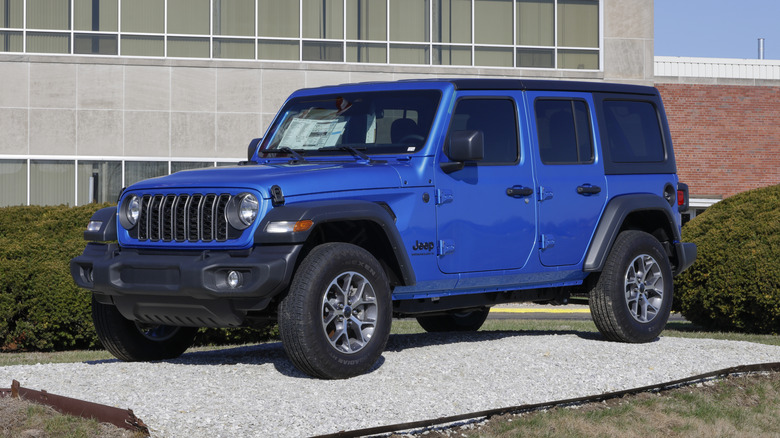
The 2026 Jeep Wrangler's only redeemable score, according to Consumer Reports, derives from its popularity. Owner satisfaction made it above the average, yet the road test and reliability assessments failed to achieve even standard results. This model experiences a stiff drive, a noisy cabin, and poor fuel economy. Its elevated ground clearance also makes getting in and out a hassle for retirees. With its powerful motor and off-road capabilities highlighted as strengths, it's clear this model is designed for a specific niche, not retirees. Although the starting price of $35,595 is under the norm for new vehicles, some trim types surge to $79,995. Notably, the Wrangler has never been found to be more reliable than its peers. Needless to say, this iconic vehicle is extremely unreliable.
To make the Wrangler's case for retirees even worse, the vehicle's maintenance costs far exceed those of similar models. More specifically, owners can expect to spend $11,129 in upkeep over 10 years of driving, which eclipses the standard cost by $2,963. These lofty costs come with a 7.56% higher chance of demanding a considerable fix in the same window of time, as indicated by CarEdge data. The IIHS report on the 2026 Jeep Wrangler is all over the place. Its crashworthiness is decent, although the headlights and front crash prevention for pedestrians received the worst results possible. Its seatbelt reminders were also subpar. Fortunately, the NHTSA doesn't report any recalls for the 2026 Wrangler.
4. 2026 Chevrolet Blazer
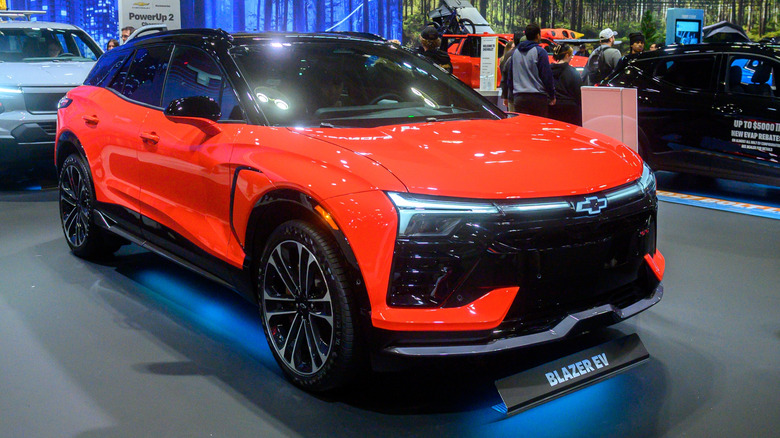
The 2026 Chevrolet Blazer achieved better results than its peers on the road test and owner satisfaction assessments by Consumer Reports. Yet, its reliability score fell below the midpoint. Tellingly, only one year out of the past seven production releases was found to be above average in dependability. The most recent examination found the Blazers' built-in electronics and build quality to be lacking. Perhaps the worst knock against the 2026 Chevrolet Blazer for retirees is its poor visibility. Narrow windows and obstructive design features make it difficult to get a clear view when reversing. With a cost of $34,300 to $46,500, the new Blazer can be snagged for under the average cost of a new car.
Chevrolet happens to be one of America's most popular car brands, which may make you pay in maintenance costs, and the Blazer reinforces that reputation. CarEdge suggests owners should budget about $9,390 in the first decade of driving this model for maintenance alone. That's $1,224 more than for comparable SUVs. Furthermore, the Blazer comes with a 2.32% higher chance of falling victim to damage needing a major fix, adding to the upkeep charges. The IIHS didn't perform an extensive analysis on the 2026 Chevrolet Blazer's safety features or crashworthiness. The small-overlap front test was the only simulated crash for which the vehicle performed well. The NHTSA reports no recalls for the 2026 Chevrolet Blazer, although its EV counterpart does have one recall.
5. 2026 Honda HR-V
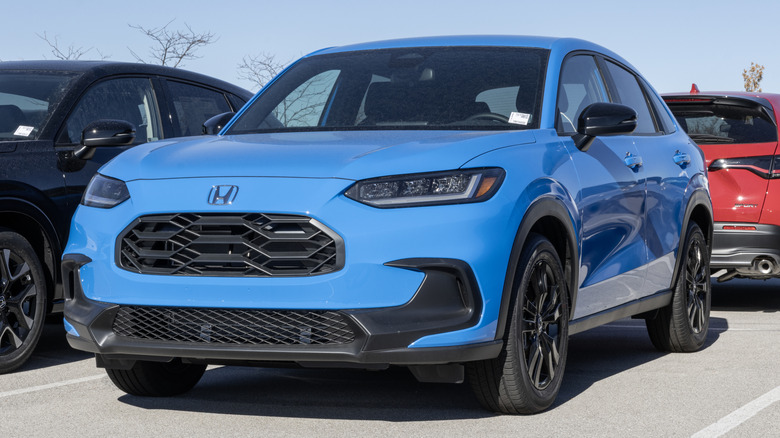
The 2026 Honda HR-V is a solid choice for retirees, although not the best choice available. It boasts above-average results across reliability, road test, and owner satisfaction examinations, according to Consumer Reports. While retirees can benefit from its intuitive controls, robust fuel efficiency, and spacious interior, they may suffer from the loud cabin and stiff driving. The 2026 Honda HR-V received mostly positive dependability scores across the board, but received some pushback on its in-car electronics. Over the past 10 years, the model has maintained strong reliability marks. These advantages are reinforced by a modest price of $26,500 to $31,850.
Drivers also benefit from a lower maintenance bill than is the norm for similar SUVs. The Honda HR-V costs $7,479 to keep running optimally across a decade, which is $687 more affordable than its peers. Additionally, this SUV sees 2.85% lower odds of needing a significant fix over 10 years, according to CarEdge. Perhaps the strongest feature of the 2026 Honda HR-V is its safety performance. The IIHS included this model in its highly competitive Top Safety Pick+ class, meaning it enjoys exceptional crashworthiness and safety features. It achieved the highest or second-highest score for all of the areas tested. According to the NHTSA, no recalls have been issued for the 2026 Honda HR-V, either for its all-wheel or front-wheel drive iterations.
6. 2026 Subaru Forester
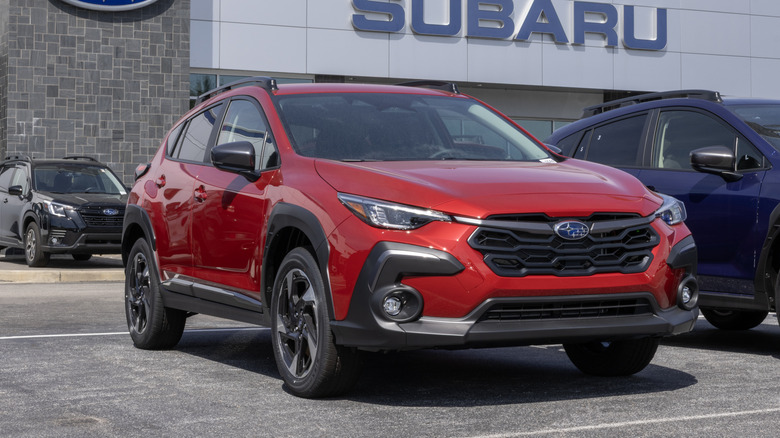
The 2026 Subaru Forester is a valid option for retirees looking for a combination of reliability, capability, and affordability without giving up on style, either. Consumer Reports gave this popular SUV exceptional results on its reliability, road test, and owner satisfaction tests. The latest dependability report revealed consistency throughout every subcategory, with none falling below average. Although the engine may feel underpowered, retirees may appreciate the Forester's fantastic fuel economy, responsive braking, spacious interior, generous visibility, and smooth ride. This Subaru SUV sells for $29,995 to $41,545, lower than the average. On top of a moderate sales price, the Subaru Forester is one of the cheapest cars to insure.
CarEdge estimates the decade-long maintenance costs for the Forester reach $8,610. That's slightly above the standard for comparable SUVs by about $444. This vehicle also sees slightly higher chances of requiring a significant repair in the same timeframe. IIHS included the 2026 Subaru Forester in its Top Safety Pick+ class, following perfect results on every crashworthiness test. Furthermore, the model's headlights, seatbelt reminders, and front crash prevention for both pedestrians and vehicles achieved the highest marks. Unfortunately, the 2026 Subaru Forester is subject to one recall, per the NHTSA.
7. 2026 Lexus UX
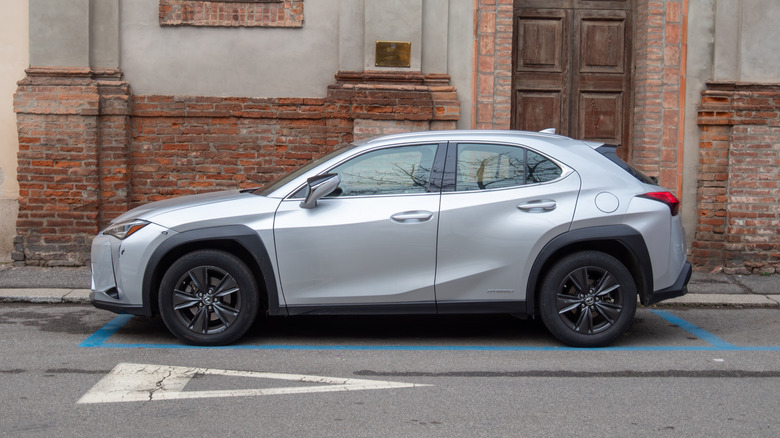
Lexus is one of the most reliable luxury car brands, according to Consumer Reports, and the 2026 UX fulfills these expectations. Every year since its release in 2019, the model has been found to be more dependable than its peers. Build quality was the only downside in the latest assessment, with every other subfield receiving outstanding results. Seniors can benefit from the exceedingly efficient fuel economy, the robust safety standard features, and the luxury drive. Even with a luxury marque and a new production year, the 2026 Lexus UX is still more affordable than the average new car, costing between $36,955 and $46,945.
While you may expect this luxury model to come with higher maintenance costs, CarEdge puts the upkeep expenses at $7,516 across an entire decade. That's a staggering $4,937 more affordable than for other luxury vehicles. However, it's still competitive with many mainstream brands. On top of that, the UX experiences a 17.37% lower chance of needing a considerable fix in the same period. Only the moderate-overlap front test failed to achieve the highest marks on the IIHS safety test. The 2026 Lexus UX scored the highest possible grade on everything else tested. Furthermore, the NHTSA doesn't report any recalls for this model.
8. 2026 Hyundai Tucson
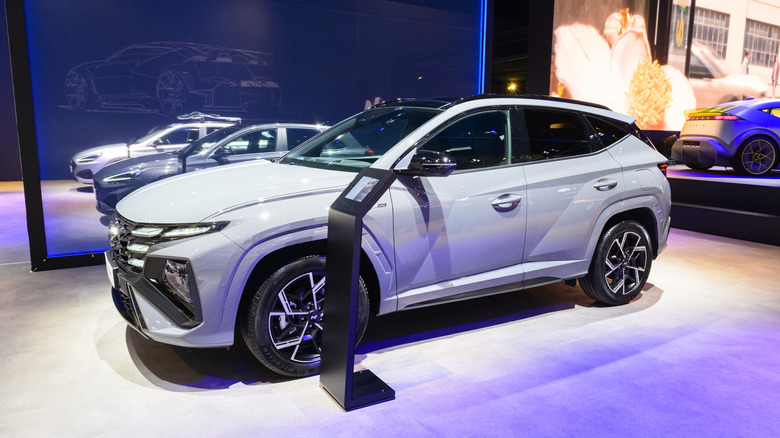
The 2026 Hyundai Tucson is another strong contender for retirees looking for a reliable and high-performing ride. Consumer Reports deemed this model better than its peers in road test, dependability, and owner satisfaction assessments. The nameplate may not be known for its quick acceleration, but seniors are treated to a slew of retiree-friendly features, including responsive handling, smooth riding, quick braking, spacious interior, and ergonomic controls. The past few production years have seen the highest reliability ratings for the Hyundai Tucson, signaling constant improvement. A price range between $29,450 and $40,925 places it below average yet still moderately higher than others on this list.
According to CarEdge, owners of this vehicle should budget about $8,560 within the first decade of driving for upkeep costs. For reference, this is right in line with the norm for similar SUVs, only $394 above the standard. The Tucson carries 24.76% odds of needing a considerable fix in the same period, which is also typical for peer models. The 2026 Hyundai Tucson excels in crashworthiness, securing top-tier results in the small-overlap and moderate-overlap front tests, along with the side test. Its headlights and seatbelt reminders also commanded high scores, per IIHS test results. The 2026 Hyundai Tucson is subject to two recalls each for its front-wheel and all-wheel drive options, per NHTSA data.
9. 2025 Toyota RAV4 Hybrid
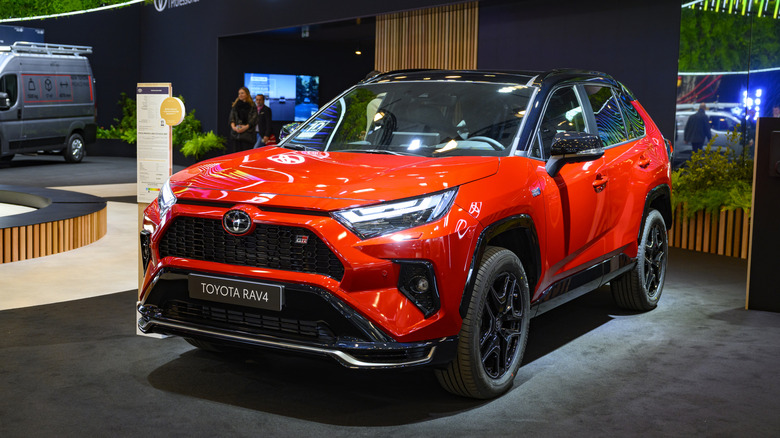
Even with these impressive dependability figures, there are still many cars more reliable than the Toyota RAV4. With the Toyota RAV4 Hybrid, retirees achieve world-class SUV capability while maintaining solid fuel economy and affordability. Consumer Reports determined this model to be far beyond the average in terms of owner satisfaction and reliability. It also outperformed its peers in the road test. Looking back at the past decade of results, the RAV4 Hybrid has always exceeded the standard in reliability. This pristine track record of dependability is coupled with a decent price tag of $29,800 to $41,155, making it more affordable than the typical new vehicle.
CarEdge places the ten-year upkeep costs of a RAV4 at $6,005. Not only is that one of the more reasonable maintenance bills on this list, but it's also $2,161 below the normal cost for SUVs. Also, this popular Toyota model has a 7.98% lower chance of requiring a considerable fix over the course of a decade. According to the IIHS, the 2025 Toyota RAV4 performs best on small-overlap crashes and whiplash prevention, although its side crash test performance was scored high, too. Furthermore, its headlights and seatbelt reminders were deemed above standard. The NHTSA identifies a single recall for the 2025 Toyota RAV4 Hybrid. This nameplate is proof that a top-selling car can also be one of the most reliable.
10. 2025 Lexus ES Hybrid
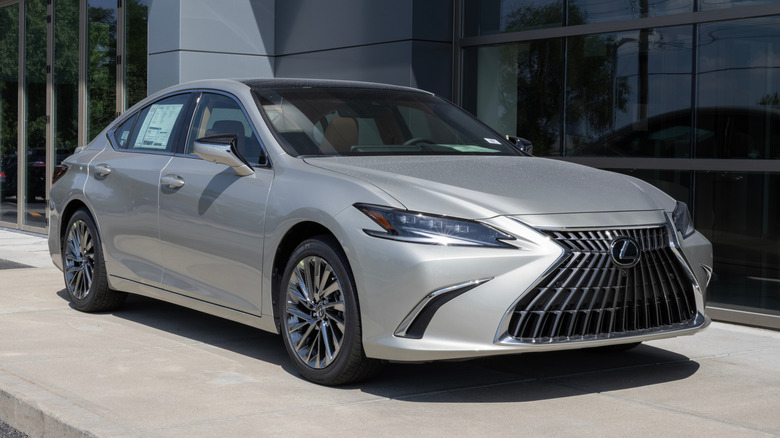
The 2025 Lexus ES Hybrid is a luxury sedan that offers retirees premium features at mainstream pricing. Consumer Reports provided this model with superior results in its road test, reliability, and owner satisfaction ratings. Although seniors may find the controls a bit challenging and the rear seat small, the Lexus ES Hybrid more than makes up for these minor inconveniences with solid fuel efficiency, comfortable driving, a quiet cabin, and a stylish interior. Consumer Reports has judged the Lexus ES Hybrid's reliability to extend beyond the average for the past 10 years straight. All of this is accessible for only $41,020.
CarEdge data suggests that Lexus ES drivers could save $3,738 over the first 10 years of ownership due to the model's comparatively lower maintenance costs. Overall, owners should expect to spend about $5,952 across a decade in upkeep, which is much better than for similar luxury vehicles. On top of that, owners will benefit from a 13.03% lower chance of needing to cover a major fix in the same time frame. The 2025 Lexus ES achieved top results for the small-overlap and side crash test simulations. Also, the model's headlights, seatbelt reminders, and front crash prevention for pedestrians were all judged to be better than average, according to the IIHS. Unfortunately, the NHTSA does report one recall for the 2025 Lexus ES.
11. 2026 Subaru Crosstrek
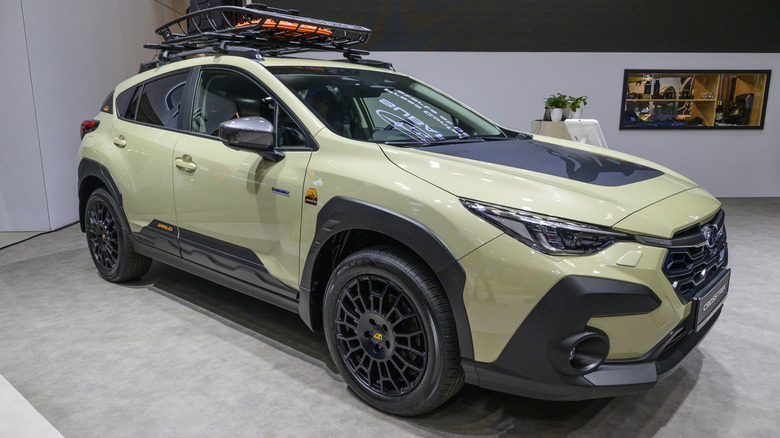
The Subaru Crosstrek is a reliable vehicle that outsells most of its competitors. It also happens to be one of the best vehicles for a retiree. This popular nameplate performed exceedingly well on Consumer Reports' road test, reliability, and owner satisfaction assessments. A potential drawback for this SUV is an underpowered engine, yet most retirees may not worry about it. Some of the Crosstrek's advantages include comfortable driving, premium fuel efficiency, all-wheel drive, good visibility, and responsive brakes. The past seven years have yielded positive reliability ratings for the Subaru Crosstrek, indicating consistent dependability. In fact, every subsection was deemed better than average from the most recent test. Plus, a moderate price tag of $26,995 to $34,995 is tough to beat with this impressive track record.
Retirees will pay a slight maintenance premium for the Crosstrek's premier performance. CarEdge suggests the 10-year upkeep costs are $8,460, which is a modest $294 higher than for comparable models. The Crosstrek sees only a 0.17% higher chance of needing a serious repair in the same timeframe compared to its peers. IIHS judged the 2026 Subaru Crosstrek to have strong crashworthiness, with only the moderate-overlap front test failing to achieve perfect results. This nameplate's headlights, seatbelt reminders, and front crash prevention for vehicles and pedestrians also received top-level scores. The NHTSA doesn't report any recalls for the 2026 Subaru Crosstrek.
12. 2025 Mazda CX-5
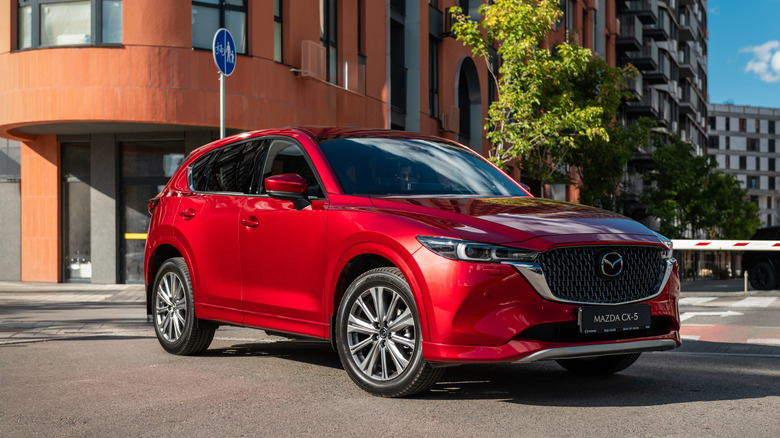
Consumer Reports gave the 2025 Mazda CX-5 a first-rate reliability score, far above the average for similar vehicles. These stellar results are compounded by robust road test and owner satisfaction scores. Retirees will appreciate the comfortable ride, smooth handling, and comfortable, stylish interior. The past three years of dependability results have far exceeded the standard, leaving seniors with a ride upon which they can rely. The 2025 model of the Mazda CX-5 sees a reasonable price between $29,050 and $41,080, well under the market average. If you buy this nameplate previously owned, it will certainly compete with the best used cars for retirees.
CarEdge puts the 10-year upkeep costs of the CX-5 at $7,906, which is more affordable than the maintenance of similar SUVs. In addition to this $260 savings, owners also benefit from a 1.94% lower chance of needing to pay for a serious fix. The Mazda CX-5 yielded the top score for all three crash test simulations completed by the IIHS. Its headlights and seatbelt reminders also received high-level scores. According to the NHTSA, the 2025 Mazda CX-5 doesn't have any recalls.