

11 Stocks From The '80s That Have Earned Respect From Younger Generations
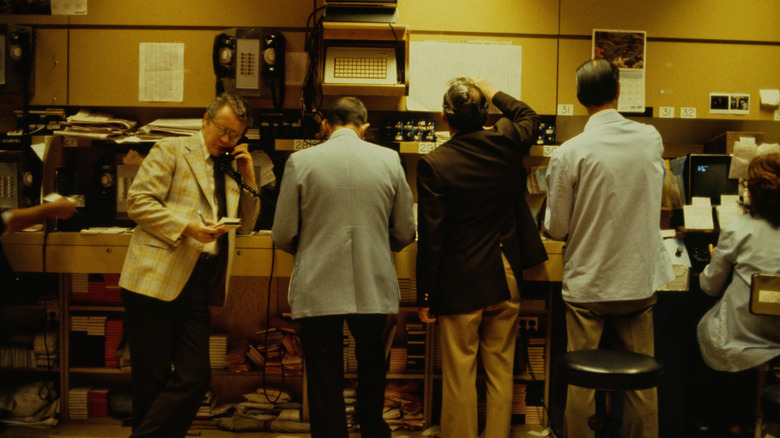
The 1980s represented a decade of change. This was a period of great excess, but it also offered a time of strain for many. In 1994, Daniel Akst of the Los Angeles Times wrote that the preceding decade had been "a time of enormous, even radical change," beyond the classic caricature of excess and greed we now look back and envision, particularly that of Wall Street fat cats. The 1970s and '80s were marked by severe inflation for one thing, but this was also a time of immense progress. The decade before laid the groundwork for a technological revolution in which the '80s gave rise to personal computing, the first commercially available cell phones, and so much more.
These new innovations, alongside other new ideas in the world of business, led to plenty of companies going public. Throughout the decade, a number of now-high profile brands experienced their IPOs, but they often came with muted fanfare given what we now know them to have become. Naturally, there were some duds, too. Companies like Big Lots went public during this era. The discount retailer went bankrupt recently, but has since restructured and reopened some of its stores. Others, like Microsoft, Home Depot, and Nike all had their IPOs during the decade and have largely thrived in the years since. These companies traded at low prices during the 1980s, with many launching into the public sphere for the first time. Yet, all have risen to extreme levels of value in the present marketplace, turning the heads of contemporary investors.
1. Avis Budget Group (CAR)
The Avis car rental service launched in the 1940s and introduced a real time, computerized reservation system in the '60s (called the Wizard of Avis). It went public for the first time in September 1983 with an initial price of about $1.60 per share. Changes later on resulted in private restructuring in 1986 before a second IPO in the late '90s. The Avis Budget Group today includes Payless, Budget, Avis, and the ridesharing brand Zipcar. The overarching company manages a rental fleet of roughly 695,000 vehicles while driving nearly $12 billion in revenue, based on 2024 figures. Budget, on the other hand, experienced its own IPO in 1987, issuing 3.2 million shares to the market. The brand experienced Chapter 11 bankruptcy in 2002 and was eventually bought and rolled into a conglomerate rental agency alongside Avis.
CAR trades today at around $100 per share, while its split-adjusted '80s pricing peaked in 1987 at a little over $6. Value in the brand has long seen violent fluctuations. Through the 2010s the share price saw a few high points, but primarily experienced a down trending pricing line. The pandemic years were naturally unkind to the rental company, but in a strange twist of fate, the brand's pricing exited this global catastrophe in flying form. Prior to eclipsing triple digits in late 2021, it had never even come close to that valuation. Its quirky volatility and the cyclical nature of heavy car rentals around holidays and summer months makes this an interesting play for potential short term gains.
2. Fair Isaac Corporation (FICO)
The Fair Isaac Corporation, better known by the moniker that also stands in as its stock identifier, FICO, went public in 1987. It was listed at an initial price of $9.50 per share and has since undergone four stock splits, a process of shedding its price per share without diluting investors. For instance, in June 1995, FICO executed a 2-for-1 split, meaning a shareholder with 100 shares would retain the same value but own 200 shares instead. After these four splits, FICO's adjusted IPO price is roughly $1.34 per share.
The company hit an all time high of nearly $2,400 per share in late 2024. Today FICO trades around $1,200 per share, making it a potential candidate for another split to take place in the future, even as its four prior splits all happened in quick succession around the turn of the millennium. It's also worth noting that a buyer investing in FICO on the day of its IPO would have yielded a 172,000% value increase from 1987 to 2025, only bested by Microsoft and UnitedHealth Group over that same period.
FICO's CEO is one of the highest paid corporate executives in America with a total compensation package in 2023 valued at roughly $66 million. The company backs this up with a market cap of $28.191 billion. Most consumers know the brand thanks to its credit scoring models, even if they don't pay for the services directly. FICO operates as something of an independent analysis firm with minimal overhead costs and the ability to quickly scale up new or existing product offerings to banks and other enterprise users.
3. Oracle (ORCL)
Oracle is a database software company, founded in 1977 by a group including Larry Ellison, one of the United States' richest individuals. He's also among a group of mega-wealthy people who didn't finish college. Ellison and his co-founders developed a brand that would go on to serve as the secret sauce that powered computerized record keeping and reference material to drive the business world forward. Oracle is a key player in a dizzying array of backend processes that maintain large and small enterprise systems, as well as governmental computational power. In fact, the company's first two clients were the CIA and the U.S. Air Force. Oracle has pivoted in recent years and is among the key players in the market's current fascination with all things AI. Oracle has experienced a recent market jump and anticipates growing its revenue projections from $18 billion in May 2026 to $144 billion by 2030.
At present, ORCL trades at roughly $150 per share, with a split adjusted IPO price of about 6 cents. The company went public in March 1986 with an initial offering of 2.1 million shares at $15 each. The brand enjoys an unfathomably large moat, with components of its business working in the background of virtually every computerized area of corporate America today. It's a key driver within the technology sector with a $439.489 billion market cap.
4. Berkshire Hathaway (BRK.A)
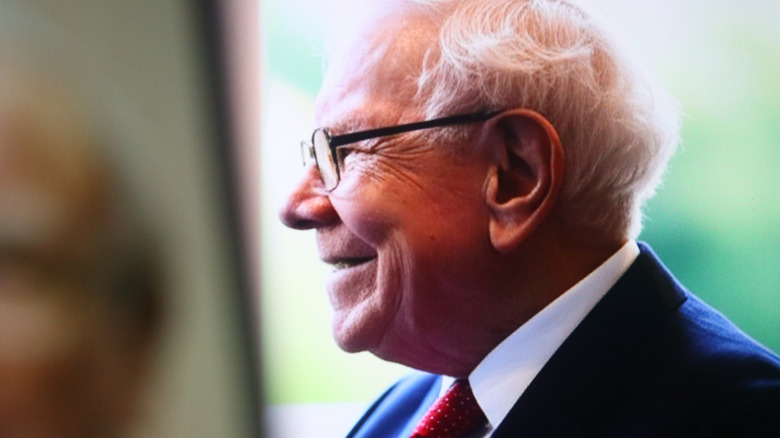
Berkshire Hathaway has been around for a long time, but its modern incarnation as the insurance container and investment vehicle helmed by Warren Buffett took public form in a 1980 IPO. The holding company's price through the 1980s saw significant appreciation, rising from around $1,400 per share in 1985 to nearly $9,000 apiece by 1990. The value accumulation that has taken place since casts a long shadow over even that meteoric rise, however. Berkshire Hathaway now trades with two classes of shares, and BRK. A has famously never experienced a stock split. Through the years, BRK.A has grown to supreme heights, with its peak price at over $800,000 per share in April 2025.
Buffett transformed the textile company into a brand new entity after taking control of the firm in 1965. It began life under this new direction as a holding company that managed premiums generated by the brand's insurance company holdings. Chief among its modern portfolio in this regard is GEICO. But Berkshire Hathaway has moved far beyond the insurance game, and draws revenue from seven primary segments, including manufacturing, services, and the energy marketplace. This delivers a significant moat for the brand, underpinning its consistently high level of stock performance over an extended period of time. Investors here in the real world won't be able to get in on BRK.A shares (or want to, given the enormous chunk of a portfolio just one share would command for those that could afford a buy-in), but BH offers a B class share that trades at around $500 and has experienced a similar growth pattern during its time in the market.
5. Microsoft (MSFT)
If you invested $1,000 in Microsoft at its IPO in 1986 you'd be a multi-millionaire today. That initial buy in would have yielded just under 50 shares at $21 apiece, and today, just one share purchased at that time would be worth roughly $130,000 thanks to Microsoft's (MSFT) numerous stock splits reducing that $21 buy-in into a split-adjusted cost of roughly 9 cents! Microsoft is at the bleeding edge of modern consumer technology. If you buy a computer today, it almost certainly runs on either Apple infrastructure or the Microsoft backbone, with the latter commanding nearly 70% of all desktop operating systems. Across all platforms, Windows is only second to the Android OS, indicating a clear preference among the average consumer.
Microsoft isn't a company that needs to be introduced to the modern investor. It's been a mainstay in the consumer technology space for decades but perhaps isn't a company that has been high on peoples' radars in recent years. Its split-adjusted pricing from 2000 to around 2015 is relatively flat, but in last 10 years MSFT share price has been on a whirlwind tour of the growth arena. From 2015 to the bear market conditions that took root during the pandemic years, Microsoft rose from roughly $50 per share to well over $300. It peaked in late 2025 at around $535 and currently trades just under $400 per share.
6. UnitedHealth Group (UNH)
Among the elite growth options over the 40-something year timeline from the 1980s to the present, UnitedHealth Group (UNH) is an undeniable force for investors. The company features a split-adjusted price well below $1 per share during the '80s, and trades around $300 per share today. The company's IPO came in 1984, and it spent the following years fluctuating significantly before achieving its first truly substantial change of fortune with AARP selecting the brand for its members' coverage in 1997.
The health care sector is a natural fit here. Americans on the whole are exceedingly frustrated about the state of the nation's care landscape, but that ecosystem is a gold mine for insurance providers and others doing business in the space. Numerous medical expenses are experiencing cost escalation that outpaces inflation, and the basic cost structure, both in premiums and out of pocket expenses, is also on the rise. Peterson-KFF found in 2026 that out of pocket expenses were their highest ever at $1,632 per capita in 2024, the latest year with available data, alongside a near-constant upward trend since 1970. UnitedHealth Group derives 79% of its revenue from insurance premiums and is the largest health care company in terms of generated revenue in the country. A long trending value gain in a sector leader makes for a solid point of focus for investors seeking good price appreciation.
7. Nike (NKE)
Nike's (NKE) IPO came in 1980, giving it the entire run of the decade to find its stride as a public company. A big swing in 1984 helped catapult the brand to superstardom shortly after. The Nike Air Jordan shoe was built around the magnetic persona of the greatest competitor the court has ever seen, but came when he was just a rookie. CBS News reported in 2025 that the company hoped to essentially net a meager profit on the $2.5 million deal with Michael Jordan with an earnings target of $3 million over four years. Instead, the wildly expensive shoe deal earned sales of $126 million in the first 12 months. Forbes reported in 2020 that Michael Jordan's earnings from the compact have crossed the $1 billion threshold while equally "transform[ing] Nike from a scrappy underdog into one of the largest, most valuable consumer brands in the world."
Nike's current share price sits around $50 apiece, with a split-adjusted cost of 18 cents per share at its IPO price. The company has seemingly been immune through much of its history to the constraints that come alongside massive growth. Through much of the decade leading up to its IPO, Nike grew its sales figure by an annualized average of 85%. In more recent times, the company has diversified from shoes to include other apparel, professional jerseys, included, and equipment. In the process, the company has developed a $46 billion revenue stream in 2025. While Nike peaked during the pandemic years rather than experiencing a cliff, it remains an interesting option for investors seeking value today.
8. Johnson & Johnson (JNJ)
Johnson & Johnson (JNJ) is a dividend aristocrat, meaning the company has increased its dividend payout figure every year consecutively for at least half a century. In Johnson & Johnson's case, that's a 60-year streak alongside what Sure Dividend calls "one of the longest and most impressive histories of any dividend growth stock." The JNJ initial public offering happened all the way back in 1944. Its 1980s performance was largely flat in the first half of the decade before taking off in value ahead of a series of '90s stock splits to tamp down the pricing whiplash of rapid value accumulation.
The stock's pricing remained in the teens and twenties throughout the decade, with a split-adjusted price tag of less than $5 per share until 1992. JNJ has experienced a sharp upward trend in value since then, arriving at a market cap of $568.11 billion today. It's also trading at roughly $230 per share in the present market. JNJ's profit profile is supported by three key pillars. The company develops pharmaceutical products, such as its recently high profile vaccines during the pandemic years. It also builds medical devices, both in the machinery space and in surgical supplies. There's also a consumer products division that accounts for roughly 20% of Johnson & Johnson's total revenue (products like contact lenses, for instance). These give JNJ a wide base to operate from, allowing it to maintain a strong standing in the medical space regardless of challenges or changes that may come its way.
9. Coca-Cola (KO)
Coca-Cola is a dividend darling that often makes its way into portfolios prioritizing long term dividend income. Coca-Cola (KO) is among the stocks that Warren Buffett has targeted in the past, even though he is widely quoted about wishing he sold out of part of the position during the late '90s when it reached a natural peak in pricing. Today, KO trades at roughly the $75 range, but after its peak in 1998 the company experienced a long trending period of downward pressure and volatility. That ended with a price surge in 2012 that has continued to move upward ever since.
The Coca-Cola brand is an institution, and it went public in 1919 with an initial share price of $40. After 11 stock splits through more than a century of trading on the public market, a single share would have ballooned into over 9,200 of them, with a value of nearly $640,000 (in 2025). During the '80s, KO was trading at a split-adjusted price of less than $5 per share. It's also worth mentioning that with a dividend yield of 2.82% at present, the 53 cent per share payout would also be worth a quarterly payday of almost $4,900. Coca-Cola's business model is obvious to any consumer with taste buds. The company is among the preeminent drinks makers globally with the third highest revenue ($47.66 billion) and by far the highest net income (at $13.03 billion) in 2025. Coca-Cola's brand power is mighty, and its staying power in the market is almost as impressive, which is no small feat.
10. Kimberly-Clark (KMB)
Kimberly-Clark started corporate life in the 1870s as a paper mill. Repurposing the milling power that had previously served to produce flour, the company shifted gears to produce a range of paper products that have continued to transform in the modernized, global economy. Soon, the business had developed techniques to create quality newspaper and catalog stock that was shipped to outlets like The New York Times and Sears, Roebuck & Co. The company went public in 1928, and in the 1980s it traded with a split-adjusted share price of just a few dollars, peaking in December 1989 at roughly $17. The stock split twice in the '80s, and two more times the following decade, each at a 2:1 ratio, meaning each share owned prior to the 1984 split would have become 16 shares after the 1997 event. Today, KMB trades around the $100 mark, and is currently sitting just above its 52-week low, potentially signaling an undervalued position.
Kimberly-Clark makes a huge range of paper products that are used in daily life today, and there's a good chance you have numerous K-C brand products in your home right now. Among its most prominent creations are Kleenex brand tissues, Scott paper towels, Andrex toilet paper, Huggies diapers an Pull-Ups, Goodnites, as well as Cottonelle and Kotex. The brand's reach is enormous, making for a wide moat that supports its $33.01 billion market cap.
11. Home Depot (HD)
Consumers across North America are familiar with Home Depot. Formed in 1978 as a different kind of home improvement store where the salespeople were also skilled renovators and craftsmen, the orange big box outlet quickly became a key fixture in many communities across the country. The concept quickly took off and the company enjoyed its IPO just a few years later in 1981, going public at a share price of $12. The company's six stores at the time eventually ballooned into a continental presence of over 2,000 locations, and HD stock has split a total of 13 times, six of them in the 1980s alone.
With all that activity, the company's split-adjusted price during the '80s is unsurprisingly in the pennies, peaking in 1989 at roughly $1.80 per share compared to its present-day $300 range. Home Depot is a brand that naturally thrives during times of economic stability as well as periods of comfort-seeking. Home Depot stock experienced a notable dip and slow recovery during and after the housing market collapse in the mid-2000s, but saw surging price activity to start the pandemic-era trading frenzy. It's seen some negative price action in the years since, but has generally maintained its upward trend, making for an interesting buy for those bullish on economic or social factors that coincide with public interest in renovation projects and home improvement more broadly.