

The COVID Refund That Could Put Real Money Back In Your Pocket
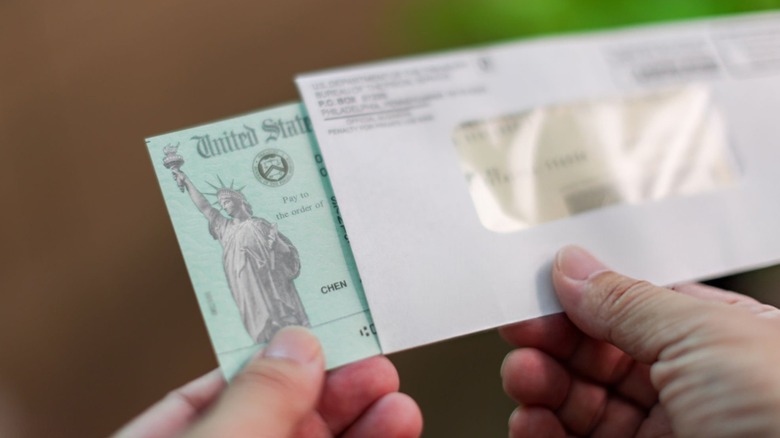
The rebate windows for missed COVID-19 stimulus checks have all closed as of 2026, but there is one more potential refund you might be eligible for — and it has nothing to do with a forgotten stimulus payment. Instead, this potential refund is tied to Internal Revenue Service (IRS) penalties and interest some taxpayers may have been charged during the COVID-19 pandemic period.
In Kwong v. United States, a federal court ruled in November 2025 that, under 26 U.S.C. § 7508A, COVID-19 qualified as a federally declared disaster that caused certain tax deadlines to be postponed. Therefore, if the IRS charged you penalties or interest for filing a tax return late or missing the payment deadline during that period, which lasted from January 20, 2020 to July 10, 2023, there is a legal argument that you could be owed some of that money back.
If you think you may be affected, the easiest way to check is to look at your IRS account transcript or online tax account and see if you paid any penalties and interest during the COVID-19 disaster period. If you do find those charges, you should use Form 843 to request a refund of penalties and interest.
Who stands to benefit the most from the COVID-19 penalty refund?
Those who filed their returns late and owed taxes during the COVID-19 period stand to benefit the most from this refund. Late filers can face a failure-to-file penalty that is usually 5% of the unpaid tax for each month the return is late, up to 25%. If you filed after the deadline during the COVID-19 years and later paid that penalty, you have a strong case for claiming a refund.
The next group that should check their record is people who filed on time but paid late. The failure-to-pay penalty applies when taxes are not paid on time, generally at 0.5% of the balance owing for each month, or any part of a month, after the due date. With piling interest, the sums could end up being considerable for some.
The Kwong v. United States ruling didn't trigger a broad IRS refund program for everyone; instead, it's a narrow, still-developing legal issue. The government may appeal, and some tax professionals have advised taxpayers to review their records and file protective refund claims while they still can. The deadline to file a refund claim is the later of two years after the tax in question was paid or three years after the return was filed, so, for those eligible, July 10, 2026, should be the last day to file.