

10 Top-Selling Appliances That Are Actually A Huge Waste Of Money
We may receive a commission on purchases made from links.
You would be surprised to know that some of the top-selling appliances in America might actually be the result of wasteful spending. For instance, a Motley Fool Money survey found that upward of 83% of respondents admitted to occasionally engaging in poor spending habits. Consumer Reports, meanwhile, claims that Americans throw away about two million small appliances every year. Taken together, one could easily draw the conclusion that Americans are prone not only to wasteful spending, but impulsive decisions that could lead them to buy popular, but often unnecessary home appliances.
What these statistics ultimately add up to is the tendency of quite a few shoppers to splurge on various cleaning, cooking, and other appliances without considering how much use they'll actually get out of the item. However fun or flashy that product might be, if it only gets used a few times a month (or year), then it might end up having been a poor purchase decision in the end. Here are 10 top-selling appliances that, while popular, we think are actually a huge waste of money.
1. Smart refrigerators
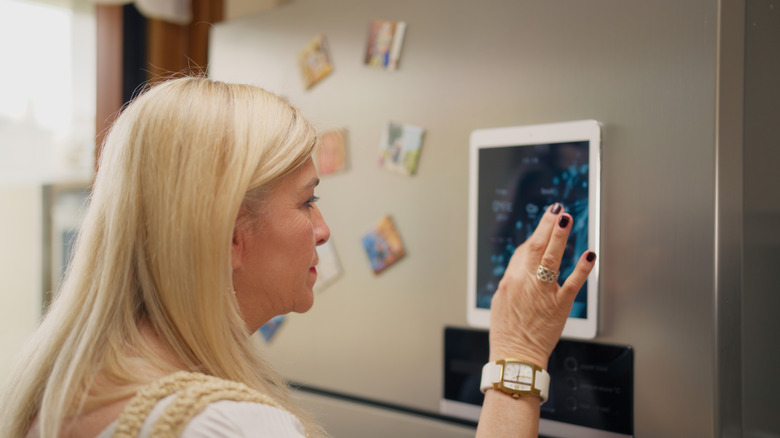
On the back of advancements in technology, it's not too surprising that people are starting to figure out ways to put digital options, like smart tech and AI, into traditional home appliances. As such, people are taking a growing interest in purchasing smart refrigerators. According to Zion Market Research, the market for smart technology refrigerator units in 2023 was almost $4 billion in the U.S. alone. Per Mordor Intelligence's research data, people in North America are a significant chunk of the worldwide growing interest in smart refrigerators.
If you are someone who is considering buying a smart refrigerator, these appliances reportedly cost between $2,500 and $5,000. You should also know that there are some risks associated with buying a smart refrigerator that might make this appliance a waste of money in the end. For example, Mordor Intelligence claims that these types of refrigerators could be a poor investment for households due to data security risks and privacy concerns. You might not imagine someone being able to hack your computer to find out Bank details or passwords, but smart technology does make that a very real threat. Likewise, some experts raise concerns over the smart tech becoming obsolete. Without timely access to updates, technology could become a hindrance that makes the appliance difficult if not impossible to function efficiently.
Traditional refrigerators are still improving, and as Cato Institute notes, they are larger and relatively more affordable than ever, with some options available for under $1,000. Between the two, we think that you're better off going the traditional route as smart refrigerators are positioning themselves to be top-selling appliances, there's a very good chance they could be a waste of money.
2. Electric kettles
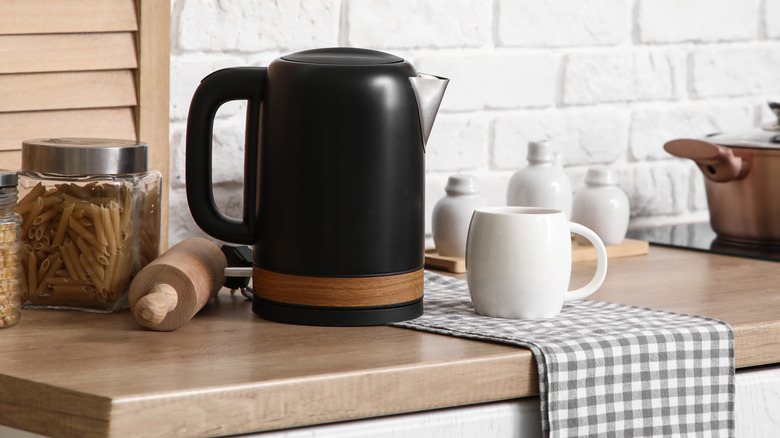
Electric kettles are quietly becoming a must-have small appliance among American households, with 35 million of the estimated $198 million sales in 2024 coming in from North America alone. This is based on estimates by Market Growth Reports, which also claims that driving factors behind this increase in popularity are things like convenience, speed, eco-friendliness, and efficiency.
While you could spend $300 on a high-end electric kettle, they are reportedly available for as little as $15. If something is so cheap and a top-selling item, you might be wondering what would make this appliance a waste of money? The answer is the tried and true household coffee maker. These machines are just as capable of making very hot water, as a pot of coffee. As such, in a house that likely already has a coffee maker, it would be a waste to also own an electric kettle.
You can also get by with a traditional kettle that doesn't use electricity, and therefore doesn't contribute to your monthly electric bill. You could spend just a few bucks at the store or even a thrift shop on an old kettle, and get lots of use out of it without spending the money on electric kettles and the electricity needed to power them.
3. Outdoor pizza ovens
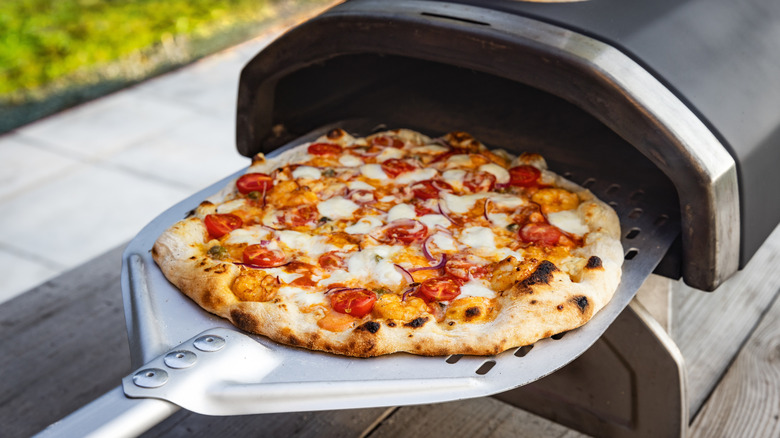
You'll be pressed to find an American who doesn't love pizza. And with fast food costing more than ever, a growing number of households are looking to just make the food at home. To get an understanding of the popularity of appliances like an outdoor pizza oven, a SYSTM case study revealed that the popular Ooni Pizza brand has sold five million units of its outdoor pizza oven since 2012. Adding a demand from other rival brands, it is clear that millions of these outdoor appliances have sold across the world over the past decade or so.
This is no doubt exciting news for the makers of outdoor pizza ovens, though not necessarily good news for your wallet as a good outdoor setup can reach costs up to $10,000. All things considered, there are simply far more cost-efficient ways to prepare pizza at home than spending money on a pizza oven, especially one that is primarily used outdoors. Consider all the cold months of the year when it's just not comfortable to turn this machine on to prepare food. And even if you live in a place where you can prepare pizza outdoors all year long, there's a very good chance that you're not going to get as much use out of this appliance as you will the oven that's already inside your home.
A more budget-friendly alternative to this appliance is to simply invest in a pizza stone, which costs anywhere between $15 and $50 at your local Walmart and can be purchased online on Amazon. This device is often seen as key to getting pizza that is close to what you could buy at any respectable Italian restaurant in town.
4. Household stand mixers
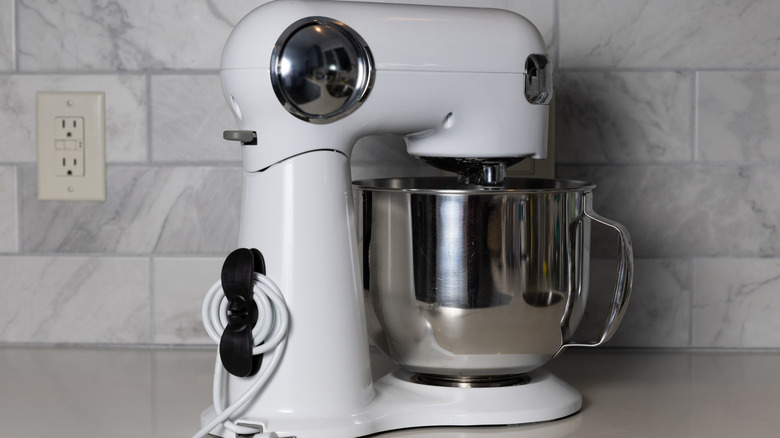
We get the aesthetic appeal of KitchenAid mixers and the dream of having one sitting casually on your kitchen counter. After all, household mixers have steadily grown in popularity, and according to Market Report Analytics, major brands like KitchenAid, Breville, and Cuisinart hold 40% of the market share. Altogether, they reportedly account for over 150 million annual sales. This number doesn't even factor in sales from smaller but still competitive brands like Hamilton Beach and Sunbeam.
Though stand mixers are among the top-selling appliances on the market, for many American households, they will ultimately represent an unnecessary expense. Unless you're someone who routinely bakes and has a regular need for everything from cake batter to pizza dough, there's a very good chance that you're not going to get nearly as much use out of your stand mixer as to have justified the purchase.
This doesn't mean you should resign yourself to whisking everything by hand. We recommend investing in a hand blender or hand mixer, which typically costs between $15 and $50 at Walmart. This is a far more agreeable price than the alleged $300 to $500 that people tend to spend on household stand mixers.
5. Bread machines
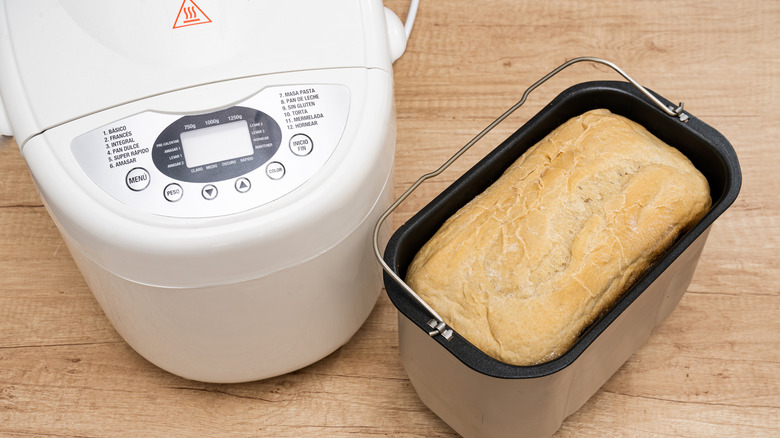
During the COVID-19 lockdown, many individuals and families turned to certain niches to safely occupy their time indoors, one of which was bread making. Consumer Reports, while quoting a study by King Arthur Flour Company, revealed that bread maker purchases jumped by about 800% during 2020. Research And Markets, meanwhile, reports the bread maker appliance market was worth $627.6 million in 2024, and is expected to hit a billion dollar valuation by 2033.
If you're late to the bread making craze and wanted to buy a machine, you'll find that they tend to range and price between $70 and $500. Still, we're banking on the notion that any investment in a bread making machine might not be the best one. Even if interest in bread making has gone up, that doesn't mean that Americans should have to spend hundreds of dollars on a machine. Not when it's very much possible to make a good loaf of bread by just using your oven.
So if you're serious about making bread as a hobby, or just a way to enjoy a different type of snack, instead of a new appliance you could instead invest in bread pans, which are typically priced between $2 and $20 at Walmart.
6. Robot vacuum cleaners
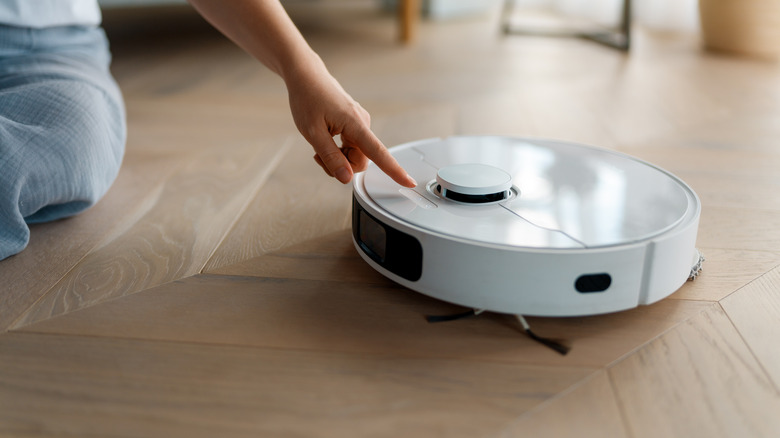
Depending on who you are, you may have grown up on the futuristic cartoon known as The Jetsons, and their lovable robot maid named Rosie. Once upon a time, having a robot to clean up after you was relegated to the halls of science fiction. Fast forward to today, and a growing number of American households have at least one robot vacuum cleaner, trusted to remove various stains and messes from kitchen floors and living room carpets, or other areas of the house.
The demand for these domestic cleaning robots continues to grow, so much so that the International Federation of Robotics claims that over 2.1 million units were sold in 2023 alone. So we get why it's appealing to have a Rosie of your own, handling your domestic cleaning needs while you relax on your phone. There are a couple reasons why this purchase decision might ultimately represent a big waste of money. Especially as, per some estimates, many of these robots can cost hundreds of dollars on average.
Some experts believe this top-selling appliance isn't necessarily a good option for deep cleaning. It would no doubt be very disappointing to have spent hundreds of dollars on your robot machine, just to watch as it fails to fully remove a deep carpet stain. If you're not in the mood for tech headaches, and just want to make sure you're able to clean your floors efficiently, it may be best to just opt for a traditional vacuum, which you can find easily for $100 or less.
7. Ionic air purifiers
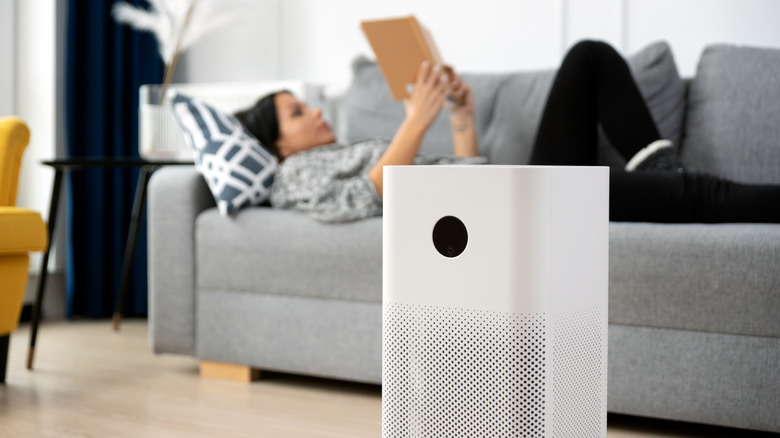
It's understandable how Americans are looking to breathe easier in their homes, and not have to worry about pollutants like bacteria and allergens from pet dander floating through the air. One of the ways in which people improve the air quality in your home, or at least seek to do so, is through ionic air purifiers. According to the Environmental Protection Agency (EPA), these ion generators charge particles in a room drawing out some materials like tobacco smoke and certain types of bacteria. These properties have led Americans to buy ion and other air purifiers in hopes of creating a clean atmosphere in the home.
Polaris Market Research estimates the total air purifier market value to be just shy of $18.3 billion. Ionic air purifiers, account for a sizable portion is valuation, typically costing American shoppers anywhere between $100 and $200.
If you're looking to purify the air in your home, you might want to carefully consider whether or not an ionic purifier its going to be the best fit. First, while ionic air purifiers do a fairly good job of clearing up bacteria within the home, the EPA notes that they aren't necessarily as efficient for getting rid of pollen and allergens in the air. Instead, HEPA air purifiers are best at doing this, and so may make a better long-term investment for air quality within the household overall.
8. Smart washers and dryers
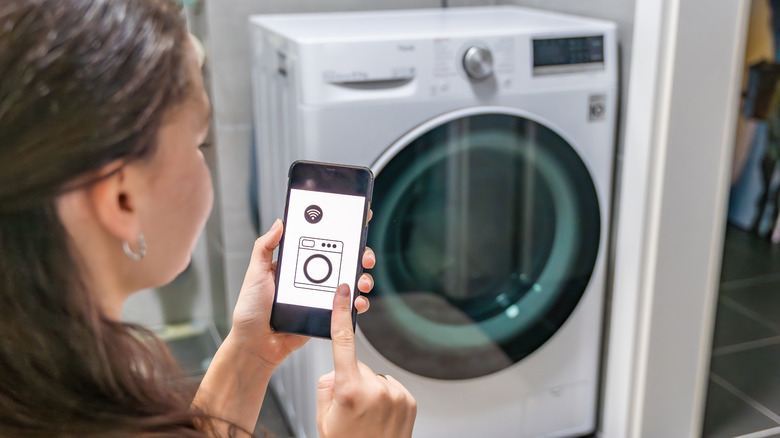
Smart washers and smart dryers are moving up the list of top-selling appliances, largely in part due to a desire for an efficient way of cleaning clothes that helps you waste less electricity and less water. And it's believed that the smart settings on these appliances are a great way to do just that. Thanks to the growing popularity of these products, Mordor Intelligence estimates the smart washing machine market is worth $13.7 billion dollars as of 2026, and could more than double in value by 2031.
For those interested in purchasing a smart washer and dryer together, costs may exceed $3,000. Having to put down so much money for such an important home appliance, you want to be sure that you're getting your money's worth, and for smart washers and dryers that might not be the case.
At a time when traditional washer and dryers are still readily available and most are capable of doing the necessary job, it doesn't make sense to spend two to three times as much on a smart washer-dryer combo. You can buy an individual washer for a starting price of $700 or a dryer for a starting price of close to $800; together you could pay between $1,200 and $1,700 for a set, based on insight shared by A&A Appliance Leasing. Likewise, a regular washer and dryer will also not lead to growing security and data worry associated with smart products.
9. Espresso machines
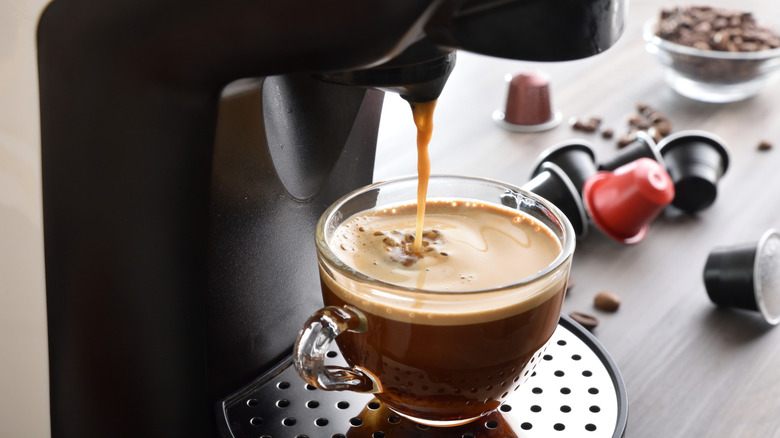
If you're annoyed at having to wait in line to get your favorite shot of espresso to start your day, it might seem like a good idea to simply buy a home appliance. That way, you could make your own espresso whenever you wanted. It's a conclusion that millions of households have drawn over the years, as Market Growth Reports reveals more than 18 million home espresso machine units were sold in 2024. About 5.1 million units were reportedly sold in North America alone that year.
Well you could find an espresso making machine for under $100, we noted these appliances frequently ranged in price between $300 and $500 at stores like Walmart; high end versions of the appliance can even cost close to $1,000. Because espresso machines tend to be so expensive, you want to make sure that you're getting your money's worth after making the purchase. The problem is, there's a very good chance that you won't and that it's a very big waste of money.
Consider the fact that on average, a shot of espresso costs little over $4. You might have to make quite a few cups to make up for your investment in an espresso machine. And what happens when you find that your version of an espresso doesn't have quite the "umph" as the cup you tend to purchase down the street at your favorite coffee place? The answer is that you use the machine less and less, make it a wasted purchase. If you're still tempted to invest in an espresso maker, at least go for the low-end option that costs about $50, that way you can determine if it's really for you without having to dig too deeply in your wallet to find out.
10. Ice cream makers
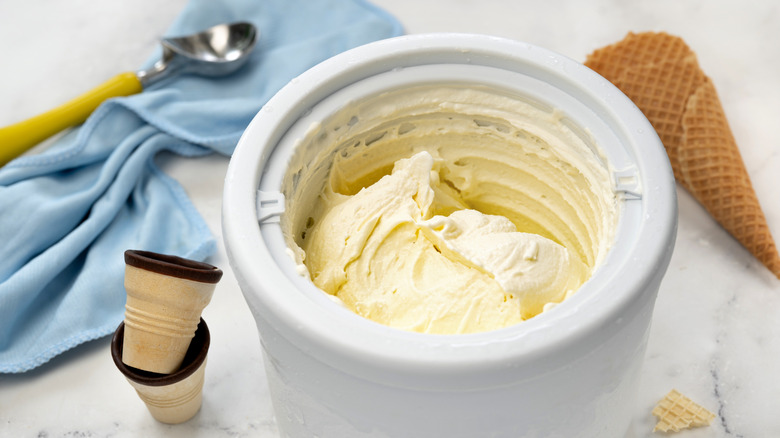
There's a growing interest in homemade frozen treats, one Future Market Report notes is driven in part by things like health awareness and the user-friendly features of many ice cream appliances. As such, the current market for homemade ice cream machines is reportedly valued at about $520 million as of 2025.
It's true that ice cream makers are fairly affordable on average, with the appliances often costing between $30 and $300. And yet, it is still likely going to turn out to be a big waste of money. For instance, it's important to consider whether or not ice cream is a treat that you intend to make daily, or at least a few times a week.
Ultimately, ice cream makers are a fun, nearly gimmicky product. You might use it some of the time, but probably not as much to justify investing in one. You can easily use a few internet recipes, plastic or metal storage containers and bowls, or even a plastic Ziplock bag, to make your own ice cream whenever the mood strikes you, and all without having to dig out an appliance that you likely will hardly ever use.