

Why More US Flight Routes Are Suddenly Priced Under $50

At a time when experts predict that travel costs are rising with the price of jet fuel and international tourism to the U.S. has slowed, American travelers may feel unmotivated to fly in 2026. That hesitation is understandable, seeing as how the average domestic plane trip cost almost $370 for airfare alone, in Q3 2025, according to the Bureau of Transportation Statistics. However, despite these trends, there are actually a surprising number of affordable flights available to book in 2026 on both budget and major airlines.
For example, as of mid-March 2026, Breeze Airways, Frontier Airlines, and Spirit Airways all advertise a wide selection of flights available for under $50. Meanwhile, Southwest — one of the largest airlines in the U.S. — also has several routes starting as low as $59. That means there are several companies in the U.S. that could theoretically get a traveler across the country for around the same price as a 30-minute Uber in several U.S. states, per NetCredit.
There are a lot of forces at play that make this possible: For example, domestic flyers in certain geographic areas with flight hubs have so many options available to them that keeping prices low can be essential if an airline wants to stay competitive. Timing can also play a role — many of these lower price tag flights are only offered on certain days — as does the fact that not all low fares are the stellar deals they appear to be at first glance.
Understanding the science of when, and where, airlines lower prices
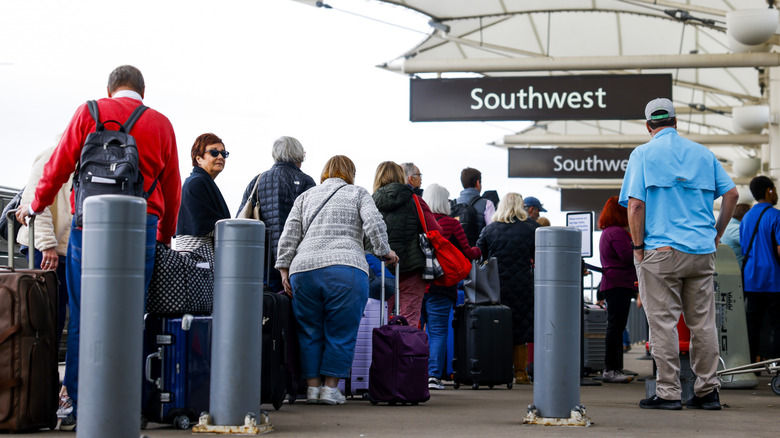
As data from the Bureau of Transportation Statistics suggests, there aren't any reputable airlines in the U.S. that are offering flights for $50 or less across the board. In fact, regardless of which company you're booking with, you'll often see a lot of the same airports listed when you look for the cheapest deals. Major hubs like Denver, Phoenix, Atlanta, and Orlando are all fairly common stops on these affordable routes, largely because these hubs see hundreds or even thousands of planes arrive and depart on a daily basis. These comings and goings then lead more airlines to set up their own offerings which, in turn, leads to more competition. This competition often necessitated lower prices in high-volume hubs in order for an airline to stand out.
Similarly, low-cost fares aren't available all year, or even all week. In fact, it's not uncommon for a flight that costs less than $50 when it departs one day to double in price if you wanted to leave even one day earlier or later. Additionally, many of the flights that airlines are listing for less than $50 are for very specific dates in March, April, or May — a more affordable shoulder season period removed from peak travel times like Summer or the Winter holidays. Bringing prices down during periods where demand is down is a natural way to drum up more business, and considering that domestic travel numbers slowed considerably throughout 2025, it's possible that airlines are leaning into this strategy more heavily in 2026 to try and make up for past losses.
Most of the time, you get what (and where) you pay for
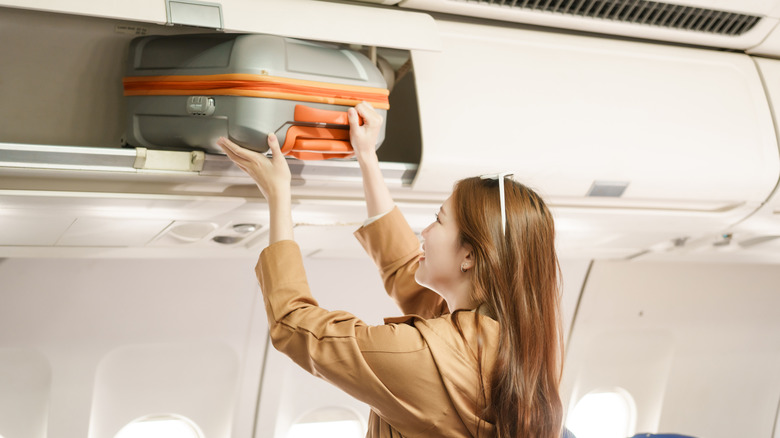
It's also worth noting that those low price tags can be more representative of your purchase's value than you initially realize. There are lots of sneaky ways that airlines get passengers to pay more money, and keeping initial fares down is a very common practice. For example, as of mid-March 2026, Frontier Airlines offers a $19 flight from Denver, Colorado, to Dallas, Texas, in early April 2026. However, if you book at that rate, you will be denied a seat selection and the standard carry-on allowance of two bags. It's also a one-way trip, with return tickets for later that same week all starting at double the price. Additionally, it's rare to find a flight this cheap that will take you very far – similarly priced trips will only get you from one part of a state to another, or between neighboring states.
Despite the fact that Americans evidently approve of certain budget airlines with bad reputations, these smaller companies often earn their criticism. Restrictive baggage policies are especially common for economy-level fares, with the price of a single carry-on or checked bag often offsetting any savings you might have received from the cheap ticket. Additionally, airlines often make basic economy passengers compromise even further through practices like denying them access to rewards, or bumping them off of over-full flights at the gate.