

High-Yield Savings Accounts Are Doing A Lot More Than Paying Interest

You have quite a few options at your disposal whenever you think about growing your savings. Traditional saving methods like certificates of deposit (CDs) offer security and high annual percentage yields (APYs), whereas tax-advantaged accounts might help you cover medical expenses or build a nest egg to retire rich. But a significant number of people are also attracted to the combination of high rates of interest and flexibility offered by high-yield savings accounts (HYSAs). More often than not, online banks are the ones providing HYSAs to customers, leveraging the money they save by avoiding the expenses that come with running physical branches into interest rates that are often over 10 times higher than traditional alternatives.
Apart from the high rate of interest that allows you to accommodate for inflation while building your savings, HYSAs come with other advantages as well: They allow account holders instant access to their cash, insurance on their deposits up to a certain amount, and the opportunity to compound their savings at a much faster pace than a traditional savings account allows when the economy shifts in the direction of high interest rates. These features make high-yield savings accounts particularly attractive for those looking to accumulate savings in a period of a few years or build emergency funds.
High-yield savings accounts can provide reliable liquidity

One of the major advantages of high-yield savings accounts is the liquidity they offer. If you're putting your money in other traditional methods of investing, such as CDs or retirement accounts, you lose access to the cash for a certain period of time. If you withdraw any amount before this period, you risk tax penalties or withdrawal fees. With an HYSA, though, you'll have a very different level of access to your funds. Moreover, you do not need to worry about paying any monthly account fees for a lot of these bank accounts, either.
Although HYSAs offer easy withdrawals, there are still some restrictions on the withdrawals that you need to be aware of. Some banks may limit your monthly withdrawal frequency and penalize you for surpassing it, or require that you have a minimum balance in your account after the withdrawal is made. Meanwhile, other banks may alter the potential benefits your account has to offer once your savings reach a certain threshold. For example, Orsa Credit Union offers a high-yield savings account with a 10% APY, but restricts the maximum balance to $1,000 if you want to enjoy that exorbitantly high return.
HYSAs are safe and benefit directly from a strong economy
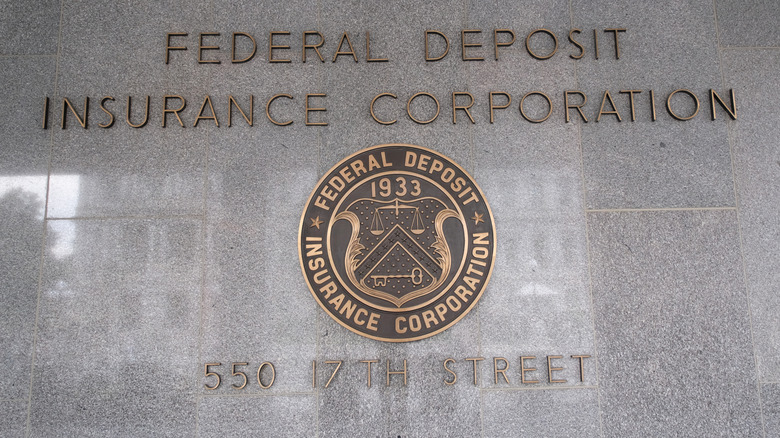
While high interest rates and withdrawal access make HYSAs lucrative by themselves, these accounts offer the benefits of minimal risk as well. A high-yield savings account is insured up to $250,000, as long as the bank is insured by the Federal Deposit Insurance Corporation (FDIC). The National Credit Union Association offers the same amount of insurance for credit unions.
You can also diversify your savings across different accounts if the deposits cross the $250,000 threshold and continue enjoying the safety benefits. Moreover, since the amount you put inside a high-yield savings account is independent of the market, your money stays unaffected from the usual fluctuations that plague other investing options like stocks or bonds. In short, there's very little chance you'll lose the money you put into an HYSA.
Another crucial aspect about high-yield savings accounts is that they become extremely lucrative during economically favorable times. For instance, whenever the Federal Reserve boosts interest rates, you can enjoy a greater return on your savings as well. This is because the APY on a high-yield savings account is variable and adapts according to the rates set by the Federal Reserve. So, while the locked rates CDs offer are often higher than the potential rates an HYSA could yield, the variable rates can make saving in HYSAs more rewarding — especially if you have short-term targets.