

You've Been Warned: This Luxury Car Has Terrible Resale Value After 5 Years

Not everyone buys cars with the intention of selling them, let alone selling them for profit, but the flexibility that comes with owning a car with a strong resale market can still be a perk. Depreciation is a common theme among cars that will drain your retirement savings, and the Chrysler 300 loses value at a pretty alarming rate. Chrysler's full-size, four-door sedan comes with rear-wheel drive and has long blended mainstream comfort with a more premium, old-school American luxury feel. It may look nice and feature a spacious interior, but the numbers do not work in this particular model's favor.
An iSeeCars analysis says the Chrysler 300 retains just 53.8% of its value after five years, meaning it loses 46.2% over that period. Meanwhile, iSeeCars also reports that competitors like the Toyota Avalon and the Dodge Charger retain 62.9% and 58.9% of their respective values over the same time period. These reputations put the 300 near the bottom of the sedan resale sector at a time where manufacturers are already reducing their sedan output due to lack of demand.
Kelley Blue Book (KBB) actually puts dollar figures on how severely the Chrysler 300 depreciates. A 2020 Chrysler 300 Touring started at $31,535, but the website estimates its used value now sits around $16,950. Meanwhile, the 2020 300 Limited's sale price fell from $40,090 to roughly $16,700 in the span of about six years. Even the better-equipped 300C dropped from $45,285 new to about $25,200 by KBB's calculations.
What caused the Chrysler 300 to depreciate so quickly
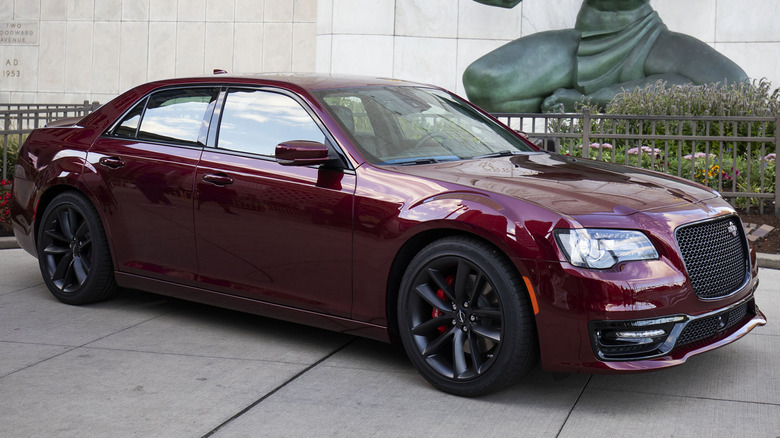
While it may not be as dependable as some of the best-selling reliable cars out there, the problem with the Chrysler 300's depreciation largely begins with its manufacturer: Chrysler ranks among customers' least favorite car brands, and seems to have made many cars that don't fare well in the used market. In 2026, Consumer Reports ranked Chrysler No. 22 on its roundup of the best car brands, and CarEdge places Chrysler on the unfavorable end of its own lists of brands with models that retain value at the three-, five-, and seven-year marks.
The 300 really isn't even Chrysler's worst performer in terms of depreciation, but outside the brand, it still has some other forces weighing it down. For one thing, new Chrysler 300s haven't been produced since the 2023 model year, and those were still part of the same generation that had been around since 2011. So, by the time the last Chrysler 300s left production, buyers had to compare a model with bones well over a decade old to competing sedans that were routinely being revamped by manufacturers to keep up with market trends. On top of that, by the time the Chrysler 300 went out of production, the market was already largely favoring SUVs, crossovers, and pickups over full-size sedans — a trend that's continued into 2026. As the remaining Chrysler 300s continue to age, it seems the well of potentially interested buyers could keep shrinking.