

What You Should Never Say When Shopping At A Furniture Store

Whether you have just bought a brand new home, recently decided to downsize your living situation, or are just looking to give a room in your house a bit of a refresh, you're going to have to do some furniture shopping. This can be a big decision and a serious investment, so it's essential not to rush it. Though the impact of tariffs and worldwide geopolitical shifts are impacting the pricing and accessibility of all kinds of items, multiple studies suggest that people are still buying furniture fairly consistently. So, there's no need to rush this decision, and getting all your facts in order ahead of your next big purchase will be essential if you want to get both value and enjoyment out of your furniture.
Statista, for instance, estimates that the average American shopper will spend at least $600 when furniture shopping, and a Provoke Insights study finds that sofas, mattresses, and bedroom sets are the most popular purchase options as of 2024.
Even if Americans continue to prioritize furniture purchases, some shoppers may worry about whether they are asking the right questions or saying the right things prior to purchasing. After all, furniture purchases represent serious long-term investments for one's household. It's one thing if you regret a grocery store purchase; it's another thing to dump hundreds or thousands of dollars on items that will impact the overall look and comfort of your home. With that in mind, here are some things you should not say when you go furniture shopping.
How much does this item cost?

At first, inquiring directly about an item's price might seem perfectly sensible. After all, who wouldn't want to know what an item costs before they plan to make a purchase? However, you really shouldn't be waiting until you're speaking to a salesperson in a store before you know or want to know how much a given piece or furniture set costs.
For instance, let's say you're shopping for a brand new queen-size mattress. According to Consumer Affairs, mattresses of this size tend to cost around $1,000 on average. Being aware of this figure when you walk into a store will give you a stronger idea of what you can expect to spend as you peruse the inventory. Meanwhile, a rolling kitchen island might cost between $60 and $300 when purchased from a major retailer like Walmart. With this in mind, you can compare brands, customer reviews, and additional costs to get an idea of how much money you'll need before moving forward with your purchase.
Having a rough estimate will give you a great deal of flexibility when planning your budget, and minimize the risk of unnecessarily overspending or being upsold by a salesperson. Instead, ask questions like, "What would you recommend for a budget of $800?" You can replace the exact price you inquire about with whatever figure fits your needs, but regardless of what you spend, this approach will help you to feel more empowered as a customer.
Are there any special sales or discounts?

Few Americans can resist a bargain, and looking out for potential sales or discounts as you shop can be a great way to cut down on spending. However, it's important to remember that a large part of a salesperson's job is to get you to spend as much money as possible, and they might employ strategies that create the illusion of a sale without actually saving you anything.
There are all sorts of tricks stores use in order to get you to spend more money, regardless of what they sell. For instance, it's not uncommon for a store to put a pricey furniture item next to a more affordably priced alternative. This setup takes advantage of the compromise effect, which can convince shoppers to gravitate toward an intermediately priced product or a less expensive option because it feels like a safer bet than buying the cheapest or most premium alternative. You may assume, based on the options, that you made a sensible purchase by going with a cheaper item, but the more "expensive" item is often just marked up considerably to make the other one seem like a better deal.
Before you go to the store, try to look online and see if there are any ongoing deals or sales. When you are ready to make that in-person purchase, you could ask, "Is this item still 10% off, and if so what should I expect to pay with the discount?" or "Will I save money purchasing this item online rather than through the store, and are there any special codes I can use if so?"
I don't know what I'm looking for.

This reaction is likely very normal if you're someone who suddenly needs to move or downsize and you don't know where to start with your furniture shopping journey. You may think it's best to just go to the store without a plan or a budget and see what you like or sticks out, but such an unrestricted approach to a major purchase can be very dangerous for your wallet.
Research indicates, however, that this approach will put you on the path to massively overspending. A 2025 study on budgeting by Ramsey Solutions found that 38% of Americans admitted to exceeding their monthly budgets while shopping. Respondents shared that, whether overspending was intentional or not, it was a source of financial stress. When you overspend so significantly on a large purchase, it can squeeze you in other ways, such as interfering with your ability to cover your rent, mortgage, or utility bills.
When you know in advance what type of furniture you want to buy, you'll be better prepared to manage your spending and set a reasonable budget. This is a crucial step in avoiding overspending. You don't want to feel guilty every time you try to relax on the sofa that cost you way more than you wanted to spend. If your goal is ultimately to keep an open mind, consider setting a budget beforehand and asking about styles or the size of furniture as it adheres to that spending cap. This strategy may somewhat reduce the inventory you'll be able to choose from, but it will help ensure you stick to a manageable spending limit.
I'm only interested in furniture from this era.

It's totally natural to want to prioritize a particular style of furniture. Maybe you saw a couch that you absolutely loved in a movie, or perhaps you fell in love with the look of a living room set in an older relative's home. Whatever the reason, a fixation with furniture from a single era is perfectly valid from an aesthetic standpoint. That said, getting too strict about this preference may not be to your advantage when it's time to start shopping, as you may find that the piece of your dreams doesn't blend well with the rest of your home and can inadvertently turn into an eyesore.
Beyond the look, some vintage furniture is so sought after that even decades-old pieces can cost thousands of dollars or more. A more budget-friendly approach could be to use those era-specific items as inspiration as you seek out affordable alternatives with similar design elements. You could ask the salesperson if they know of any modern dupes that mimic the look of furniture from a particular decade or vintage style, as replications are often much more affordable than original antiques. Alternatively, thrift stores sometimes stock extremely valuable items that people give away, so some of your local secondhand stores could also be worth perusing.
If you're shopping in person, be sure to take along images of your desired vintage look so you have reference points as you seek out budget-friendly dupes. You might also find what you're looking for through resources like Chairish, a website where people list high-end and vintage furniture for sale.
None of the furniture here matches my walls.
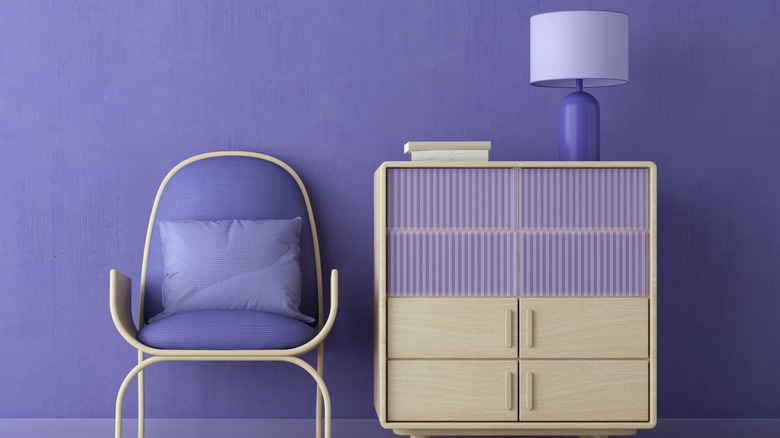
It can be very disappointing when you go to a furniture store or browse its offerings online and realize that you aren't seeing anything that fulfills your vision. Finding pieces that match your existing living space can be especially difficult if you happen to have walls that feature unique wallpaper patterns or are a color that doesn't necessarily match with any of the options you see in stock within your budget.
The good news is that many pieces of furniture are available in neutral colors, which could be much less liable to clash with your home's other interior design elements as they go in and out of fashion. Likewise, it may also be far more affordable to change your wall colors or add removable wall decals from time to time. DIY paint jobs and temporary decals and wallpaper designs may cost you anywhere from $10 to $400. So, it could prove more affordable to change a room's color to fit a piece of furniture you can afford than to limit your search to whatever will look good with the living space as it stands. By settling on the furniture as a one-time purchase, you'll also spend less money on making changes to the space over time.
If you're worried that the furniture you choose will be just too plain, another budget-friendly solution is buying some colorful pillows or throw blankets to help stylize your new item.
Do you think this will fit in my living room?

It can be heartbreaking to find a piece of furniture that you like, only to realize its dimensions don't fit the space you have set aside for it. It can feel even worse if you don't realize the item won't fit until after you purchase it. If you're lucky, you might be able to return the product to the store for a refund. Otherwise, you may have to recoup what losses you can on the resale market or, even worse, rent a storage unit to hold the furniture until you figure out what else to do with it.
Unfortunately, outcomes like this are quite common: According to Senna Labs, industry analysis finds bulkier purchases can make up over 30% of customer returns. But with the right strategies, you don't have to be part of this particular statistic. Instead of wasting hundreds or thousands of dollars on furniture that won't fit, just be sure to measure the space where you're looking to add furniture.
If you're shopping online, be sure to pay attention to the measurements of every piece or set you're considering so you can have an idea of exactly how much space they'll need in order to fit neatly into the desired room. Eliminating any spatial ambiguity before pulling the trigger on a purchase could save you immense time, money, and frustration.
Should I just buy a furniture set?
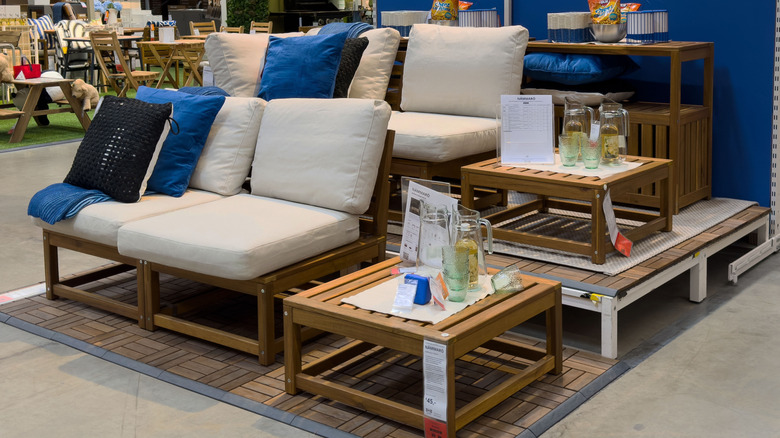
The upside to buying a furniture set is that you can get practically everything you need to furnish your living room, bedroom, or patio at the same time for a flat rate. Depending on the store, you may even get a discount when purchasing the items together instead of trying to buy them individually — but that's not always the case.
Let's say that you like a couch, but don't have quite enough in your budget to purchase the other pieces necessary to complete the set. Instead of passing on the item you want simply because you can't afford the matching piece, you could consider buying the couch and using the original loveseat, ottoman, throw pillows, or other accoutrements as inspiration as you seek out more affordable pairings elsewhere. Thrifting can save shoppers a surprising amount of money, and outlets like Goodwill and websites such as Facebook Marketplace and eBay often stock a wide array of reliable furnishings at a fraction of the price you'll find them new. Imagine avoiding spending $1,600 on a complete bedroom set by opting for a $200 wooden bedframe and amassing the rest via the secondhand market. As an added bonus: Going through the effort of hunting down furniture pairings yourself gives you the opportunity to create a living space that is uniquely your own and leaves you with a broader range of options for replacement should an individual piece break or your tastes change.
What should I do about financing?

Furniture can be a major purchase for many, so financing options are an important consideration. Shopping for loans can hurt your credit score regardless of what you're buying, and it's essential to know exactly what you're looking to spend and how much you'd need to borrow before you go in to make a purchase.
There are many options for "buy now, pay later" services out there through companies like Klarna, Affirm, and Zip. Depending on the furniture company, you may even be able to sign financing paperwork directly in the store. Whatever you choose to do, be sure to understand exactly what you are able to borrow, how much you will be paying back, what the interest is, and any added costs. For example, Klarna charges a service fee of between 75 cents and $3, and you're expected to make a partial payment at the time of purchase. Sales representatives may even try to convince you to finance a piece if it means they can close a deal or earn the store more interest. So, walking in with full awareness of your options could help you skirt potential traps designed to get you to pay more.
If your credit score prevents you from financing — or you simply find you can't afford the interest or monthly payments — you could also establish your own "payment plan" by incrementally setting aside money in your budget until you have enough to buy the item with cash instead. You might not get your furniture as quickly, but you'll be fully off the hook once it's paid for.
It's not very practical, but...
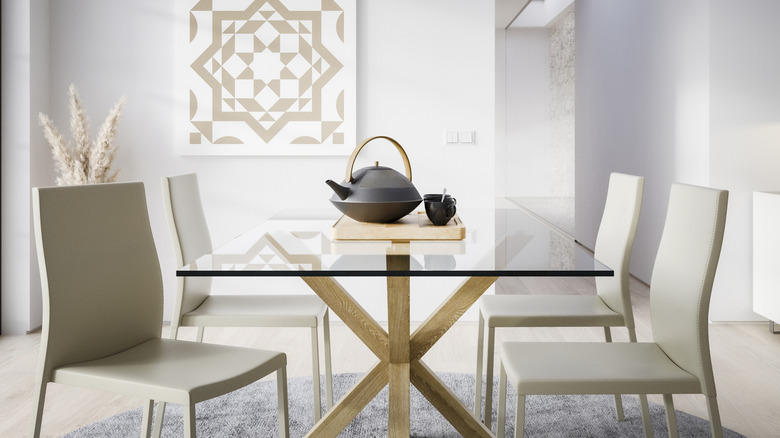
Some shoppers may gravitate toward style over function, and pieces like the Studio 65 Bocca Sofa do stand out as instant conversation starters that could easily captivate guests. However, impractical pieces can still cause very practical problems. For instance, if an item has sharp edges or is made of glass, parents and pet owners may find their stylish new decoration could quickly result in a costly trip to the local hospital or veterinarian.
According to a Safehouse.org study, 60% of the children aged 10 and younger whose parents were surveyed suffered a household injury, and more effective childproofing efforts could have prevented the vast majority of them.
If you're the parent of a curious or hyperactive young child — or even have a pet with a tendency to run around indoors — then childproofing the home is absolutely necessary. That can sometimes mean missing out on an interesting furniture purchase if the potential risks of keeping it in your home are too high. If you're not ready to give up on the item, you could also ask a sales representative about their recommendations for how to childproof it. Additionally, it might be a good idea to consider insuring your furniture or studying up on the details of your warranty in the event of damages. That way, should you need to replace the item or have it fixed, that added expense might not come out of your pocket.
Should I just buy it online?

There are perks to both shopping online and in stores, and the right option for you can depend heavily on your personal preference, budget, and time management. If you don't have the time to go to a store and already know the exact details of the furniture you want, you may be best served with an online purchase. However, more hands-on shoppers who want to be sure factors like the texture and color match what appears online may be better served handling things in person and transporting it themselves.
If you would prefer to handle the logistics of the delivery process, you can use services like U-Haul or Enterprise to secure a truck or van. Depending on the distance you're traveling, how long you'll need the truck, and the vehicle's size, you can expect self-delivery to cost anywhere from $20 to $700 per day. However, additional costs like gas and insurance could tack on even more to that bill. Depending on the store, your point of purchase may use its own trucks to bring your furniture to your home; ask in advance and you could even save money by taking advantage of a company's white glove service. Nest Bedding, for instance, will bring your order to the space where you want it set up, install it, and even dispose of the leftover packaging.
If you're comfortable buying your furniture online, it still might cost you upwards of $500 for shipping, handling fees, and duty taxes where applicable. So, depending on your location and what you need to move, ordering online might not necessarily prove more affordable or convenient than picking a piece up yourself.