

Affluent People Are More Likely To Own These Household Items

Whether you subscribe to the theory that "Those who die with the most toys win" or "Those who die with the most toys still die," financial common sense dictates that people with more assets are better able to afford the latest tools, tech, and toys — even if being born wealthy does have its downsides. As such, affluent people are largely more likely to have certain smart products or, at the very least, are able to adopt these products much earlier on — before prices eventually drop and/or normalize. While there are certain assets that symbolize "upper class" status, such as having funds beyond emergency savings, affluent people are also known for their love of smart technology.
Smart home tech, in particular, is popular across the U.S, with about 69.9 million American consumers predicted to already own an Amazon Echo, per ElectroIQ. However, the affluent class generally steps things up even further in terms of automated and customized household items. In fact, the "smartness" of the devices often gets more extreme the higher the net worth; for example, Oprah Winfrey's driveway is smart enough to melt snow by itself (thanks to an intelligent radiant heat system).
Smart home devices are usually connected to the Internet, automated, and controlled remotely. While various smart devices can be integrated via a central hub to create an intelligent home, the affluent are more likely to use high-end professional grade systems such as Savant, Creston, or Control4. These automated systems offer convenience, security, and efficiency to homeowners — elements the affluent are particularly concerned about.
Affluent people like the personalization that smart products provide
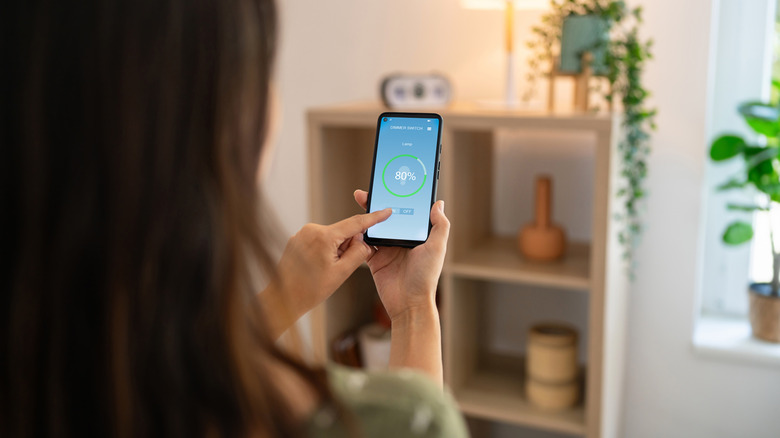
What mostly attracts the affluent towards smart devices is the personalization that these products can offer. This is especially true of AI-powered home systems, such as the J.A.R.V.I.S home system touted by Mark Zuckerberg. These voice-activated devices and systems – higher end versions of mass-market examples like Amazon Alexa or Google Assistant — can be an especially easy way to achieve personalization across everything from doorbells to window treatments to lighting to temperature. Not to mention smart security systems and even door locks with features like facial, speech, and behavioral recognition.
Plus, one of the many subtle signs of the wealthy is an interest in spending money to save time. This is why the wealthy likely enjoy devices that allow them to automate and streamline areas of the house — such as the over $41,000 Meneghini La Cambusa refrigerator that will close its own doors, provide Wi-Fi, make coffee, and let you watch TV all at the same time. Other popular smart tech products among the wealthy focus on managing health and wellness – like smartwatches. In fact, according to data from GWI, the affluent are 89% more likely to own a smartwatch than the average consumer. From Hermès branded Apple Watches to gold plated Tag Heuer sensor timepieces to Vertu Metaverse watches with built-in encryption — the affluent are imbuing luxury into their smart tech. Meanwhile devices like the AI-powered SmartSleep mattress system can ensure sleep quality by making adjustments based on sleep metrics. From big things to small details, the affluent are using smart technology to create fully personalized experiences across every facet of their life.