

The Real Reason Rolex Prices Are Up In 2026
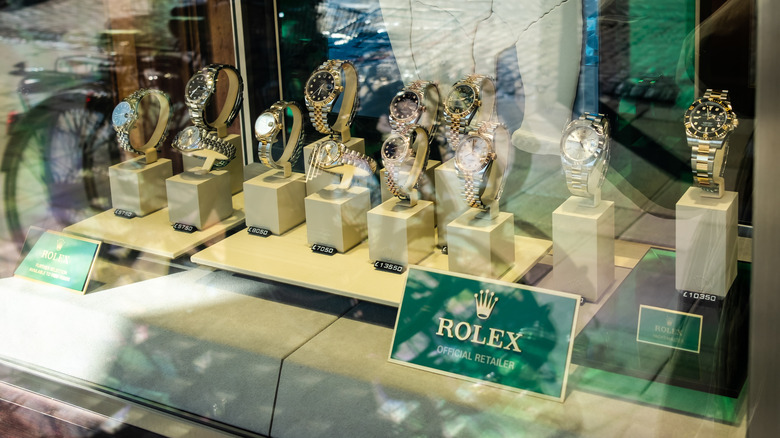
If you're in the market for luxury goods, then you must know that they generally don't come cheap. If that luxury good is a Rolex watch, then this realization hits harder in 2026 than ever. On January 1st, 2026, Rolex implemented a sweeping global price increase, bringing about some of the biggest changes to Rolex and the steepest prices buyers have seen in years. WatchPro noted that U.S. prices for Rolex watches are rising by an average of 7% this year; however, some models will see price increases of up to 14%, per Swisswatches Magazine. So, what's driving the price up? Two things: policy and economics.
On the policy side, it's a case of changing import tariffs. The U.S. government slapped a 39% tariff on Swiss imports back in August before reducing it to 15% in November. Before then, tariffs on Swiss imports were about 2% to 3%. When the new tariffs were imposed, the watches' retail prices went up because U.S. dealers had to pay more to get a Rolex into the country.
This same domino effect is also playing out on the economic side, thanks to the rising price of gold and the falling U.S. dollar. Gold prices hit record-breaking highs this year, and since Rolex sources gold directly, it now costs the company more to manufacture its watches. At the time the Rolex global price increase took effect, a single ounce of gold cost just under $4,500 — roughly 70% more than in January 2025.
What Rolex prices look like on the secondary market
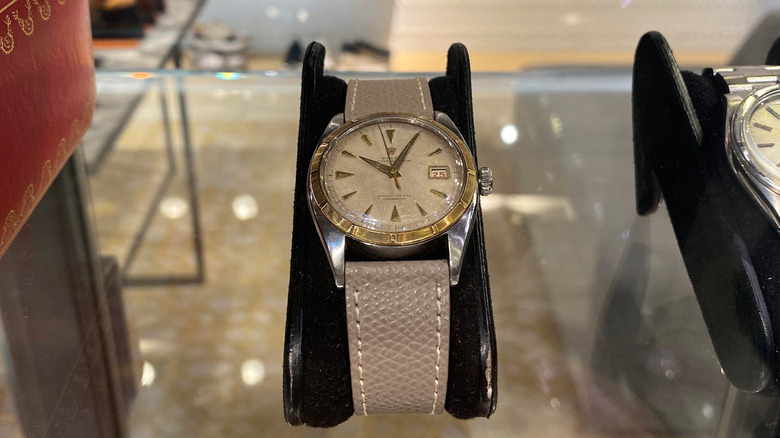
The surging prices for new Rolex timepieces might make secondary markets as a more appealing option to you. However, shopping for used watches requires caution, since the resale market isn't consistent. Normally, secondary market prices for Rolex watches are higher than retail. So, a pre-owned Rolex will usually increase in value after a retail price bump. But since the resale market hasn't yet fully adjusted to January's hike, there is an opportunity for buyers. Luxury Watches USA reports that higher retail prices actually reduce the gap between new and resale prices. So, in reality, it's possible for you to still invest in a Rolex watch at a lower price for a limited period of time.
Everest Bands conducted a market analysis in February 2026 by tracking live listings on Chrono24 following the January price hike. Its report shows you can buy cheaper or more expensive Rolex watches, depending on the reference you want. For the popular steel sports models, such as the Submariner no-date 124060, the Daytona, and the GMT-Master II Pepsi, secondary prices are well above the new retail price. A good example is the Daytona 126500, which regularly trades around $30,000 on the pre-owned market despite a new retail price of $16,900.
On the other hand, there's a slight price reduction in the gold and precious metal segment, particularly in certain Day-Date references. Some standard yellow gold references are now trading in the $43,000-to-$48,000 range on Chrono24 — less than the retail price of about $50,000.