

14 US States That Spend The Most On Food Delivery

The food delivery industry is massive in the United States. In fact, Statista predicts that the online food delivery space will generate about $473 billion in 2026. That figure could stretch to nearly $610 billion by 2030, with an estimated annual growth rate of 6.55%. China is forecast to spend more on food delivery, with its market share expected to reach nearly $545 billion next year. However, the U.S. still beats the more populous competition on a per-person basis, with a citizenry one-fourth its size yet producing competitive spending. These already impressive numbers are put into perspective when realizing the relative recency of this entire industry. Americans have been ordering pizzas and other favorites for delivery for decades. Still, the market really took off with the advent of smartphone food delivery apps, such as DoorDash, GrubHub, and Uber Eats.
While comparing food delivery spending on a national scale is interesting, an entirely different story can be uncovered on a state level. The hundreds of billions of dollars Americans spend on ordering food isn't equivalent throughout the country. To get a better grasp on the regional spending habits of Americans in this market, Money Digest analyzed the most recent nationwide Food Delivery Usage survey by Upgraded Points. While this raw information is fascinating in isolation, more nuance is derived by looking at other economic datapoints, such as median income and what percentage of each state's typical income is put toward food delivery. For this additional context, we looked at the Bureau of Economic Analysis's latest release about real data on regional price parities, as well as personal expenditure and income. This data can help shed light on how the relative burden of takeout expenses has changed for the states that spend the most on food delivery.
1. Iowa

Iowans top the list of Americans who spend the most on food delivery. Residents spend an average of $3,366.22 annually in this category. For perspective, that's about 115% higher than the national average spend of $1,566 per year. In addition to total spending, the Hawkeye State also beats out the competition in how much income it dedicates to food delivery. With a median income of $39,083.20, the typical person in the state dedicates about 8.61% of their earnings to this category. Fortunately, Iowa is an underrated state with a low cost of living to help offset this heightened spending.
Iowans' living expenses are about 12.2% below the national average, with a regional price parity of 87.8, where 100 represents the U.S. average. According to the most recent federal data from the Bureau of Economic Analysis, Iowa's personal consumption expenditures rose by 2.9%, right in line with the national average. During the same period, the personal income of residents rose by 3.3%, higher than the U.S. norm of a 2.9% increase. Income rising slightly faster than consumer spending suggests residents can offset some of the financial impact of food delivery costs.
2. New Jersey

New Jersey falls in second place for states that splurge the most on food delivery, yet residents still spend more than $900 less annually than in Iowa. Yet, this expense stands about 55% above the national norm. The typical Garden State citizen runs up a yearly food delivery bill of $2,427. With a median income of $48,193.60, New Jerseyans put about 5.04% of their earnings toward this expense type. For perspective, you're considered upper-class in New Jersey if you make $200,000. This elevated takeout spending is exacerbated by an above average cost of living.
The Garden State's regional price parity is 108.8, meaning New Jerseyans face a cost of living 8.8% higher than the rest of the country. As with Iowa, the state's personal spending has risen on par with the U.S. standard of 2.9%. However, New Jersey hasn't seen its income rise at the same pace, with earnings only rising 2.8% in the same period. With both inlays and outlays increasing by a similar amount, residents may not have seen many changes to their relative food delivery burden.
3. Arizona

Above-average food delivery spending may not be one of the conventional reasons retirees regret moving to Arizona, but this budget item could take new residents by surprise. The average person in the Grand Canyon State budgets about $2,227.12 to food delivery each year — about 42% above the rest of the country. At the same time, the median income stands at $39,499.20. Those figures suggest that the normal person in Arizona places around 5.64% of their earnings in the food delivery column of their budget sheet. Interestingly, this is one of the few states with a regional price parity on par with the national average.
Federal data shows that the cost of living in Arizona is only 0.7% above the U.S. norm. However, the most up-to-date information suggests personal consumption jumped by 4% in the Grand Canyon State, among the highest in the country. In the same timeframe, income only rose 3.3%. While still higher than the U.S. average, income failed to keep pace with spending. Residents may be seeing their food delivery costs comprising an increasing percentage of their earnings as a result.
4. New York

The entire state of New York often gets overshadowed by its largest city, yet looking at the Big Apple in isolation can create economic distortions. Overall, the Empire State shells out $2,207.25 annually per person on food delivery. That's about 41% more than the normal American. Despite being the fourth largest spender in this area, the state spends a relatively modest amount of its income on food delivery. The median income of a New Yorker makes about $48,796.80, which means only 4.52% of their earnings are eaten by this expense. It's notoriously difficult to live in Manhattan on less than $55,000 per year, underscoring the city's exorbitant living costs, but even the state suffers from elevated expenses.
The Empire State sees a cost of living 7.9% higher than the national average, with a regional price parity of 107.9. Personal consumption in the state remained on equal footing with the national standard, however, rising 2.9% over the last recorded year. Regrettably, personal income didn't keep up, only rising by 2.3%. The difference indicates that routine living expenses, such as food delivery, are actually weighing more heavily on New Yorkers.
5. Pennsylvania

Pennsylvania is one of the states that exempts Social Security and retirement income from taxes, leaving retirees to spend more of their nest egg on discretionary items. With an average annual food delivery expense of $2,091.43 per resident, it appears seniors aren't the only ones maximizing their non-essential purchases. On average, Pennsylvanians outspend their counterparts by one-third in this area. The state's median income is $44,907.20, meaning food delivery consumes about 4.66% of the average Pennsylvanian's earnings. Luckily, the state's lower cost of living gives residents a small break.
With a regional price parity of 97.6, the Keystone State costs about 2.4% less than the rest of the country. Residents were able to rein in their personal spending increases compared to the rest of the country, with expenses rising only 2.2%. Unfortunately, personal income increases were also severely limited. Within a one-year timeframe, income within the state only rose 1.5%. The 0.7% difference represents how much of a hit the typical budget took. Food delivery expenses also threaten to account for a larger portion of spending.
6. Ohio

The Buckeye State also happens to spend the sixth most on food delivery in the entire country. At an annual per-user budget of $1,948.80, the Ohioans seem to prioritize this discretionary spending area. The average American spends about 24% less on takeout, for reference. In fact, a median income of $39,686.40 suggests that the typical resident puts up about 4.91% of their earnings to food delivery. Fortunately, residents may be able to trim off some of these expenses by choosing the cheaper delivery app. They're also getting an economic discount with overall living costs below the national average.
Federal economic information places the regional price parity of the Buckeye State at 92.8. That means living costs are generally 7.2% cheaper than the rest of the country. Over the last recorded year, Ohio had experienced a 1.3% leap in its average personal spending, which is less than half that of the U.S. norm. Yet, the state's wages also grew at half the pace of the average, rising only by 1.3% over the whole year. With changes in expenses and earnings offsetting each other perfectly, Ohioans may not have seen a difference in their relative spending on takeout.
7. New Mexico

New Mexico is the cheapest state for U.S. tourists to visit, but it's not known for its relative affordability when it comes to food delivery. Residents spend a sizable $1,906.53 per person on this optional expense category. Compared to the average American, residents of the state dedicate 22% more money to takeout. The median income is on the lower end, hovering around $37,814.40. That means the average New Mexican contributes 5.04% of their annual earnings to food delivery. While the Land of Enchantment outspends on takeout, it also maintains a relatively affordable cost of living.
The state's regional price parity is 92.2, which means residents tend to experience living costs 7.8% below the national level. Unlike many states that saw considerable swings in both spending and income over the past recorded year, New Mexico's changes were comparatively muted. The state only recorded a modest 0.8% jump in personal expenses, over 2% less than the rest of the nation. Income rose by 1.4%. Although this was far less than the U.S. average, New Mexico's earnings increased nearly twice as much as its spending, alleviating the financial pressure on residents.
8. Virginia

If you've ever wondered about the money you're wasting by ordering takeout instead of cooking at home, the average Virginia's food delivery expense might make you feel better. On average, a resident coughs up about $1,885.02 on this voluntary expenditure. To add some context, the median income in the Old Dominion is $47,195.20 — one of the highest on this list. Still, food delivery comprises about 3.99% of a Virginian's earnings. In a financial boon to residents, Virginia is another state with living expenses right in line with the rest of the nation.
The regional price parity is 101.1, which means the cost of living is only 1.1% above the norm. The latest economic data shows personal expenses rising by 3% in the state, also neck and neck with the national average of 2.9%. Continuing the alignment with the national standard, Virginia's income rose by 3.1% on average, not far from the 2.9% for the U.S. The relative offset between spending and income increases means Virginians shouldn't be seeing much more of a burden from their food delivery spending.
9. Texas
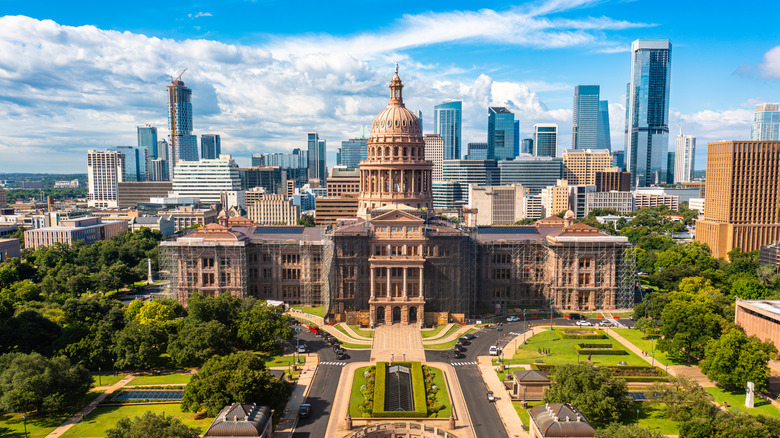
As one of the states that spends the most on food delivery, the Lone Star State is once again proving that everything is bigger in Texas. The average Texan sees about $1,844.88 of their annual budget go to ordering takeout. This works out to about 4.73% of their earnings, since the median income is $39,041.60. Texas could really take advantage of the little-known trick to scoring the cheapest takeout meals to help offset its annual outlays in this category, although residents are already shielded slightly with lower routine living costs.
Economic data indicate the Lone Star State is 2.9% cheaper to live in than other states, with a regional price parity of 97.1. Spending in Texas rose 3.5%, far above the national norm, indicating an unusual uptick in personal expenses for residents. Unfortunately, this rise in outlays wasn't supplemented by an equivalent rise in earnings. During the same period, income only rose by 2.7% for Texans. That 0.8% disparity represents a potential jump in the percentage of income that food delivery spending represents for the average person.
10. Louisiana

Louisiana is among the 10 states where you'll pay the highest sales taxes. This adds insult to injury, given that the Pelican State also ranks high in food delivery spending, with the average person consuming $1,809.91 in this category per year. For perspective, that's almost 16% above the U.S. average. The normal Louisianan tends to earn about $37,315.20, meaning about 4.85% of the median income goes to food delivery. Happily, residents enjoy an unbeatable regional price parity far below the national average.
The cost of living in the state is estimated to be 11.8% below the national average, giving takeout enthusiasts a welcome break. In another financial win, Louisiana skirted by with only a 2.4% spike in personal spending, 0.5% below the national average. This was further supplemented by an above-standard surge in personal income. Residents saw their earnings rise by 3% in the same period. This positive growth could help minimize the relative financial pressure of higher-than-usual takeout spending.
11. California

With the country's largest population and a cost of living far above the norm, you might expect to see Californians higher on the list of states that spend the most on food delivery. However, the annual budget in this category is $1,746.99 for the typical resident — higher than the national average, but not in the top 10. Plus, the Golden State's relatively elevated median income of $47,923.20 helps offset this expense. The average Californian sees 3.65% of their earnings put toward food delivery. If you happen to be in one of the most affordable places to live in California, these expenses may be lower. However, the average Californian faces a cost of living much higher than the norm.
The state's regional price parity is 110.7, translating to living expenses 10.7% beyond the average. As you may expect with such a powerhouse economy, Californians were able to raise their personal income by a respectable 5.5%, according to the latest economic data. That was the highest earnings jump in the country. Although the state's consumption increase of 4.3% was also higher than average, its income elevation overtook spending spikes.
12. Alabama

Regrettably, Alabama is among the states with the highest credit card delinquency rates. Based on the state's per-person average spending on food delivery, you may wonder if this expense is part of the problem. Each year, the average resident spends about $1,695.27 on this discretionary line item, which stands about 8% higher than for the average American. The more likely driver of the credit card struggles is the Yellowhammer State's modest median income. The typical Alabaman earns $37,252.80. Based on reported spending habits, around 4.55% of this is siphoned off to food delivery. As a boon to locals, the state has a below-average cost of living.
Alabama's regional price parity is a budgetary 88.8, meaning residents see overall prices roughly 11.2% below the rest of the country. Throughout the last recorded year, personal expenses in the Yellowhammer State jumped up 3%, roughly on par with the national norm. The income levels, on the other hand, rose at a faster pace. Residents saw a 3.4% increase in earnings, helping to offset their relatively high takeout spending.
13. Michigan

Michiganders tend to deploy about $1,689.39 of their annual budgets on food delivery. That's one of the highest in the country, yet still about half as much as Iowa. It stands 8% above the country's average. The median income in the Great Lake State is $45,198.40. Thus, the average resident places roughly 3.74% of their earnings on the food delivery budget line. That wage may appear low compared to other states, but the salary benchmarks defining comfortable living in the Midwest differ slightly. Additionally, Michigan holds a lower cost of living than the rest of the U.S.
More accurately, the regional price parity in the Great Lake State is 96.2, meaning the broad living expenses are 3.8% under the U.S. norm. While most states saw a 2.9% increase in both personal expenses and income, Michiganders expected a much more modest shift in these areas. While personal expenditures rose 0.1%, earnings fell by 0.1%. While not exactly offsetting, these extremely small shifts don't change the relative portion of income that food delivery consumes.
14. Mississippi

The final spot on the list of states that spend the most on food delivery goes to the Magnolia State. Mississippians dedicate about $1,665.19 annually to food delivery, not the most in the country, but still higher than 36 others. Unfortunately, Mississippi holds the unenviable distinction of having the lowest income in the U.S. The median income is just $35,068.80. Despite spending the lowest on food delivery relative to these other states, Mississippi residents still spend a decent fraction of their earnings on it at about 4.75%. The trade-off for a lower-than-average income is a dramatically reduced cost of living.
Mississippi boasts a regional price parity of 87, meaning residents experience living expenses of 13% below the national average. On top of that, Mississippians were able to limit their increase in personal expenses, only rising 1.4%. That means spending in the state rose at half the pace as the rest of the country. This minimal elevation of consumption was also mirrored by a limited rise in income. Mississippi only saw a 2% increase over the most recently recorded year, nearly one-third below the national average.