

If You Know These 5 Online Grocery Shopping Tricks, You're A True Budget Shopper
We may receive a commission on purchases made from links.
While online grocery shopping has been around for decades, it wasn't until the COVID-19 pandemic that it really took off. Since then, it has exploded in popularity and become many Americans' preferred shopping method. According to grocery analytics company Brick Meets Click, 61% of U.S. households purchased groceries online in July 2025. In total, mobile grocery sales totaled $10 billion for the month, an increase of 26% from July 2024.
It's not hard to see why consumers have embraced online grocery shopping. It's fast, easy, and eliminates the hassles involved with shopping at brick-and-mortar stores. However, there are often additional costs involved when purchasing groceries online, such as higher food prices, delivery fees, and service charges. Some grocery delivery services have even utilized dynamic pricing models that could cause some shoppers to pay more than others for the same items. With food inflation surging throughout the 2020s, paying more than necessary for groceries is a bitter pill for most consumers. The good news is that there are grocery shopping strategies to save you money that true budget shoppers can use when placing online orders. From reducing delivery fees and making the most of promotions to avoiding inflated prices, these tricks can help you cut costs while still enjoying the convenience of online shopping.
1. Dodge the delivery fees

Delivery fees are a major factor when ordering groceries online. Some services charge double-digit fees, which can easily add up to hundreds of dollars a year for frequent shoppers. However, there are ways to cut down on these costs or avoid them altogether. One simple way is to take advantage of membership programs that provide free delivery in exchange for a monthly or yearly fee. You might even have access to free or discounted grocery delivery through a service you're already using.
For example, millions of consumers pay $139 per year for a Prime membership, which allows them to access a range of benefits like free shipping and Prime Video streaming. But what some members may not know is that this program also includes free delivery on Amazon Fresh grocery orders over $100, as well as discounted delivery on smaller orders.
Walmart offers similar benefits for its Walmart+ members. A recent study by PYMNTS found that about 30% of U.S. consumers use Walmart+, and its $98 yearly fee gives members free delivery on grocery orders over $35. For those who prefer to have the option to buy groceries from a wider selection of stores, Instacart+ memberships also come with free delivery. Even if you don't already subscribe to a program and don't want to pony up for one, you may be able to temporarily access free delivery anyway: Many programs offer promotions such as a free membership trial or free delivery on your first few orders.
2. Make the most of coupons and promotions

Many online grocers and delivery services offer special promotions, which can add up to meaningful discounts on your grocery orders. Signing up to receive your grocer's marketing emails or texts is a great way to stay informed about promotions, and you'll often get a coupon or discount just for registering to get the messages. It's also a good idea to spend some time browsing the app or website you're using to shop for cross-promotional deals that could save you money in other ways. For instance, Instacart+ members also receive free access to Peacock, a one-year subscription to New York Times Cooking, and a $10 credit if they enroll with a qualifying credit card.
There are also many online resources that offer coupons and promotional codes you can put toward an order. Websites like CouponCabin even offer coupons that are directly applicable to grocery delivery websites, which can yield you both lump-sum and percentage-based discounts.
Many coupon sites also offer browser extensions that automatically flag available promo codes at checkout, making it easier to save without having to search for yourself. Cash-back platform Rakuten is one of the best online coupon browser extensions, often finding discounts you might otherwise miss. If you're a frequent online grocery shopper, checking these tools before placing an order can be a great way to consistently cut costs on your grocery bills.
3. Claim your cash back

In addition to coupons, many coupon aggregators also offer cash back on grocery purchases. The rates can vary — you'll often see cash back offers of 1% to 2%, but sometimes 5% or more if you subscribe to the site's membership plan. As of February 2026, Rakuten currently offers up to 1% cash back at Instacart, 1.5% at Safeway, and 4% at Sam's Club. Other popular apps that offer cash back on grocery purchases include Ibotta and Checkout 51.
Over time, cash back savings can be significant. The U.S. Department of Agriculture estimates that the average family of four spends over $1,000 per month on groceries, so consistently earning back 1% to 2% on every grocery bill can save you hundreds of dollars a year. To layer on even more savings, many online retailers and grocery delivery sites also offer cash back when you make grocery purchases using certain credit cards — a little-known credit card perk you may not be aware of. American Express' Blue Cash Preferred Card offers 6% cash back at U.S. supermarkets for up to $6,000 a year, and Capital One offers several cards that give users 3% cash back on groceries. Meanwhile, the Prime Visa provides 5% back on Whole Foods and Amazon Fresh orders.
4. Leverage your loyalty
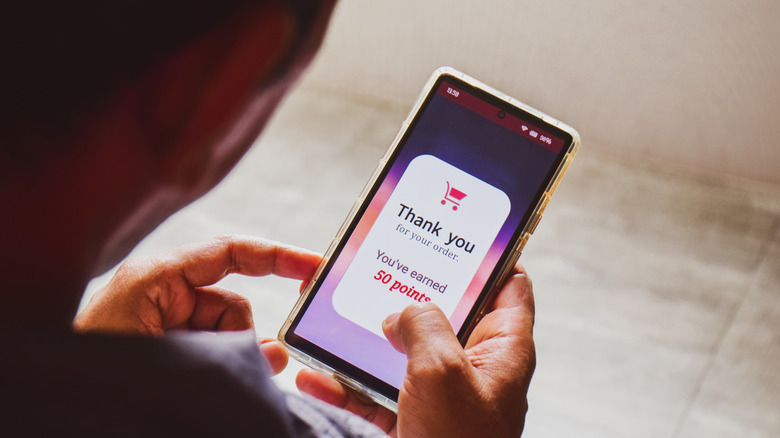
Many online grocery stores offer free loyalty programs that reward regular customers with perks like points, discounts, member pricing, and other special offers. In some cases, the rewards can be redeemed and used toward future purchases of groceries or gas, which can add up to meaningful savings over time.
Kroger has a free program that provides members with digital coupons as well as Fuel Points that can be used toward gas purchases at participating gas stations. Joining Target's free loyalty program, Target Circle, is a clever trick that can save you money at Target when you buy groceries online, as it provides special deals, birthday rewards, and savings during Circle Week sales. Meanwhile, Safeway's Safeway For U program allows members to convert their points into cash to be used at checkout or put toward gas purchases at eligible stations. Many other popular grocery store chains offer similar programs, so be sure to check out your local chains' websites to see what kind of memberships are on offer in your area.
One feature that many of these programs tout is the ability to offer members personalized deals based on their past shopping history. Since these programs track your preferences, the more you use them, the more targeted and useful the discounts could become. Just beware that many of these stores also offer both free and paid memberships, so make sure you know whether there will be any accompanying fees before you sign up.
5. Prevent dynamic pricing pitfalls
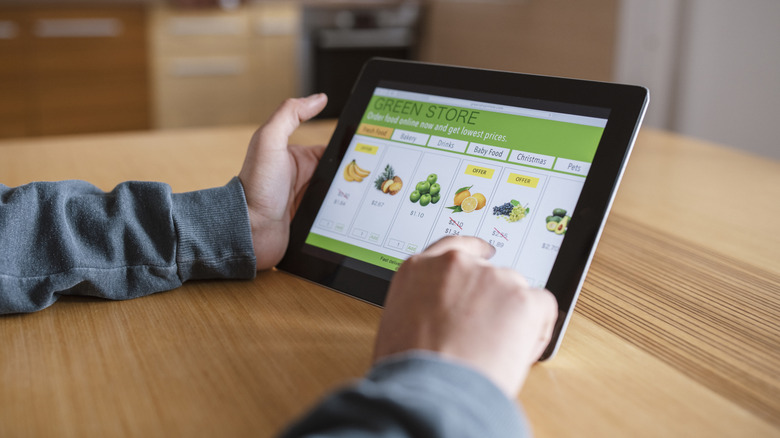
Dynamic pricing — shifts in online prices based on factors like demand, location, when you're shopping, or your shopping history — has been showing up in everything from concert tickets and rideshares to airline fares and fashion items. Online grocery services seem to have adopted the trend as well, causing some shoppers to pay inflated prices for identical items. Instacart came under fire in December 2025 for doing this, and has since reversed the practice. But it stands to reason that other online grocers may be using this sneaky trick to get you to spend more money. Luckily, there are some tricks you can use to avoid getting hit by these fluctuating prices.
Because dynamic pricing can use your profile and shopping history to determine when to raise prices, limiting the information that grocers can access is one way to avoid it. Taking control of your browsing data by clearing cookies or using incognito mode when you shop can make it harder for companies to use dynamic pricing against you. It's also important to know your priorities: If you'd rather avoid dynamic prices than earn loyalty points or receive personalized offers, it might be beneficial to opt out of your local grocer's membership so it doesn't track your shopping behavior. To test whether your prices are being inflated, you can also log in using different accounts to see if the final bills align.