

The Hidden Price Of Death In A Home
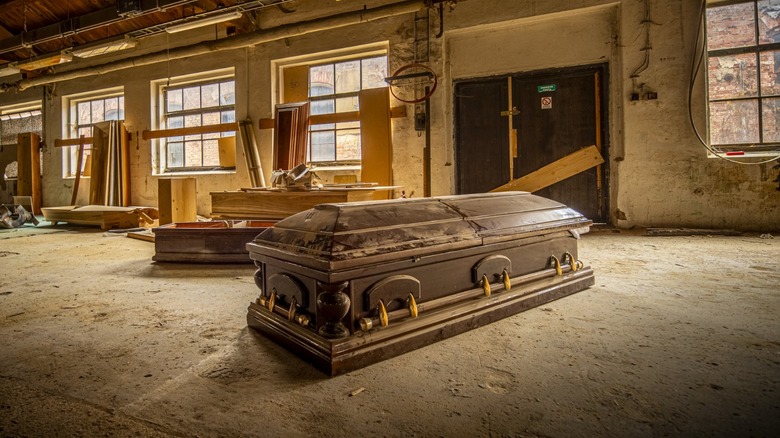
As sad and painful as a death in the family is, it's still wise to prepare for the financial implications that come with it. Even during grieving, family heads need to figure out the finances for a funeral — which could run into thousands of dollars according to funeral planning services company Titan Casket — or prepare to execute the will if the deceased family member died testate. And while elderly deaths could sometimes mean redistribution of wealth through inheritance, some people could pass on debt to family members instead.
However, all the aforementioned are obvious ways deaths can financially affect a grieving family; there is also one particular non-apparent way such fatal events could demand a price, and it concerns property value. Depending on the type of death, how violent it was, how popular, or how recent, that event could negatively affect the price of the house it happened in and cause it to become "stigmatized property." This same psychology is why certain house numbers can drag down your home's value.
In 2020, Realtor.com published a piece on how buying homes where brutal murders happen can sometimes save a lot of money. Of course, the flip side being is that you'll have to bear the brunt if you're the seller. Real estate appraiser Orell Anderson told Realtor.com that murder discounts can range between 10% to 50%, depending on how much the media carries it. Findings from the National Association of Realtors suggest that more mundane deaths have less of a negative effect, and regardless of the type of death, the value seems to rise again as time goes on.
Are you obligated to disclose if there's been a death on your listed property?

The next obvious question is whether anyone has to know that such a thing happened. After all, in an instance where the deceased was a senior family member who passed away peacefully, it should hardly matter to the buyer in a more logical sense. But the law here isn't very straightforward, and it might depend on the circumstances surrounding the death, the manner of sale, and what state the property is in.
For starters, there are no explicit federal laws forcing sellers to tell buyers every fact about a property; disclosure duties are mostly state-based, with some federal requirements for specific hazards (like lead-based paint). In fact, the legal principle of "caveat emptor" puts the burden on the buyer to find out all they need to know about the property they want. The exception to that is the seller misrepresenting facts, which could mislead the buyer and, therefore, cause potential fraud allegations. When asked a direct question about the property, you, as the seller, must not give a false or misleading answer. According to Attorney Ty McDuffey of LegalMatch, the seller also has the responsibility of informing the buyer of any issues that can influence the price of the property.
California, Alaska, and South Dakota have laws or policies that mandate disclosure of death. In California, the seller must disclose all deaths that happened within three years, while the other two states are focused more on murders, suicides, and homicides. Florida, Georgia, South Carolina, and Texas, however, all have laws that explicitly say it's not a material fact.