

Aged Assets That Are Nothing More Than A Hassle

Aged assets are items that are no longer useful to their owners, particularly compared to when they were initially acquired. Certain aged assets may have some resale value depending on their condition and the market for potential buyers, but they often prove troublesome to own. They can take the form of everything from unreliable equipment interfering with a project to an object that could cause real health and safety concerns to those who rely on it.
Older pieces of heavy machinery often fall into this category, as aging equipment can impact safety and slow operations unless you're willing to spring for costly repairs. However, not every aged asset needs constant maintenance or imposes safety threats. An IT asset, like an obsolete software, can become a headache for the owner simply by working more slowly than its role demands. Similarly, old, rusty vehicles can stop giving the same returns on the upkeep they need, while old buildings can see their value drop due to obsolescence and structural wear and tear. Unless some of these assets hold value because of their antiquity or exclusivity — there are antique chairs worth more than $1,000 in 2025, after all — keeping them is often a game of diminishing returns.
Manufacturing equipment

Manufacturing equipment like industrial control systems, motors, electrical panels, and conveyors can eventually start creating problems for business owners. Once this equipment starts aging, its cost of maintenance and repair begins to spike as well. Apart from the increasing costs, machines also start losing efficiency and become bottlenecks for the performance of the entire chain.
Aged machinery is more prone to breaking down as well, which can stop operations and dwindle profitability for the business. Machines of all ages also run the risk of becoming obsolete in fairly short order. In an era where many steps of the manufacturing process are getting automated, machines that can't keep up or be adapted to work with modern software are often considered a liability.
Employees are also at risk while working with outdated equipment, since there is a chance of an accident constantly looming over their heads. For instance, within the agriculture sector, people have suffered severe amputations because of malfunctioning machinery. Similarly, a faulty wood chipper can cause serious physical harm at construction sites, while errors in electrical equipment can cause electric shocks. Accident-prone assets do not just create issues with compliance and regulations for safety, they can threaten human life.
IT equipment and software

Even more so than manufacturing equipment and other physical holdings, assets in the IT sector don't necessarily need to be old in years to become outdated. For instance, if you're storing enormous amounts of data in a device, it can cease to perform at its usual speed and efficiency and start "aging" in that sense. Poor hardware asset management and outdated technology can often harm the digital employee experience (DEX), and a 2025 report published by Nexthink found that poor DEX can cause a business to lose upwards of 470,000 hours of productivity in a given year.
If the software on a device or its supporting hardware is old and incompatible, it also becomes significantly more difficult for businesses to run the latest and the most productive versions of useful applications. Furthermore, if a company uses devices reliant on outdated operating systems — such as an older version of Windows — it can call an organization's cybersecurity into question as well. According to IBM, data breaches cost businesses an average of $4.4 million in revenue in 2025 alone. The same software that helps businesses gain a chunk of the market share one month can become a detriment virtually overnight as better and faster products start entering the landscape.
Vehicles

Despite the increasing average age of vehicles in the U.S., cars usually become aged assets with the passage of time. In fact, once you buy a new car, Kelley Blue Book estimates its value will drop by a whopping 16% within the first year alone. Unless you own a vintage collectible like the common Volvo classic that's worth more than $20,000 now, it's unrealistic to anticipate your car will ever increase in value.
In addition to common wear and tear, cars and trucks also begin to eat up a lot of costs in repairs as they age. According to the Bureau of Labor Statistics, the costs of car repairs rose 4.9% from January 2025 to January 2026, and older cars often need work more frequently than newer ones.
Apart from lost convenience, driving an old, raggedy vehicle can also be unsafe. For instance, if your car is from a time when airbags were still unreliable or more contemporary safety features weren't as standard as they are today, that asset could easily turn into a serious liability. In fact, according to a report by the National Highway Traffic Safety Administration, a car built 18 or more years ago is 71% more likely to crash than one built in the last three. Even if no one is physically injured during a collision, owning a damaged or undriveable car can have serious logistical and financial implications on its own.
Real estate
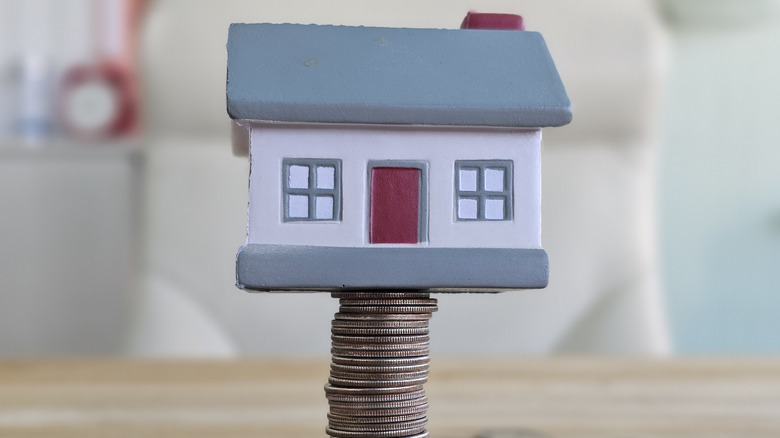
Real estate is traditionally thought of as an asset that appreciates with time. Baby boomers are most likely to have assets like property, and they can be key to amassing wealth over a lifetime. However, not all types of property are created equal: If a building is poorly maintained and requires constant upkeep, its value can decrease as the years go by.
Homes that are more than a few decades old often feature older plumbing, ventilation, and electrical systems. If a property lacking in these departments doesn't hold any architectural significance, it can lose value without proper renovation. Older buildings also accumulate wear and tear from long-term exposure to environmental stressors, which can damage essential structural materials. As extreme weather gets increasingly common, these issues could become even more of a liability in the coming years as property gets increasingly more difficult and expensive to insure.
There comes a point in every building's lifetime where cosmetic remodeling stops having the same effect and major structural renovations become necessary. Replacing fundamental features like plumbing, elevators, roofs, and fire alarms can run property owners thousands, if not hundreds of thousands, of dollars per repair. If you're considering renovating a building this heavily, those costs could prove a serious logistical hiccup. Meanwhile, if you're looking to sell a property in need of that level of work, you may wind up having to make some serious compromises to find a buyer.