

Crisis Looms: Medicaid Cuts Could Force Over 100 Hospitals To Close

The Trump administration enacted the One Big Beautiful Bill Act (OBBBA) in July 2025. While the law has had a profound impact on a lot of spheres and introduced several new money rules, one of its major implications involved cuts to federal spending on Medicaid and the Affordable Care Act (ACA) marketplaces. The entire cut is estimated to total around $1.04 trillion over the next ten years, per KFF, if the peripheral revenue effects of the law are accounted for. These cuts will inflict a blow to a large number of hospitals across the nation and affect facilities in rural and urban areas alike. While most of these hospitals are contemplating ways to cover the Medicaid revenue losses and uncompensated care, well over than a hundred others are expected to shut down.
From the point of view of the patients, especially in the older demographic, there were already several medical costs that Medicare did not cover before the OBBBA was enacted. However, with hospitals closing, the cuts have also added the costs of traveling even greater distances to take advantage of healthcare services. The situation is obviously worse if you're not eligible for the Big Beautiful Bill's "Senior Deduction". For the younger demographic, three among 10 young adults could lose access to healthcare services, per Urban Institute.
Impact of Medicaid cuts on rural and safety-net hospitals is severe
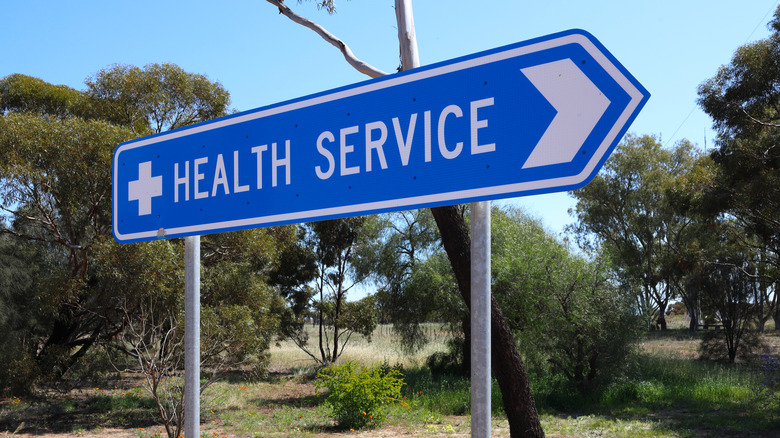
Nearly half of the nation's rural hospitals were operating at a net loss in 2023, while 92 others had either shut down or stopped inpatient services in the past ten years. In such a bleak environment, a $137-billion drop in Medicaid spending over the next ten years, per KFF, is devastating to already-struggling hospitals. Around 300 rural hospitals nationwide could close in the near term, per the Center for Healthcare Quality & Payment Reform.
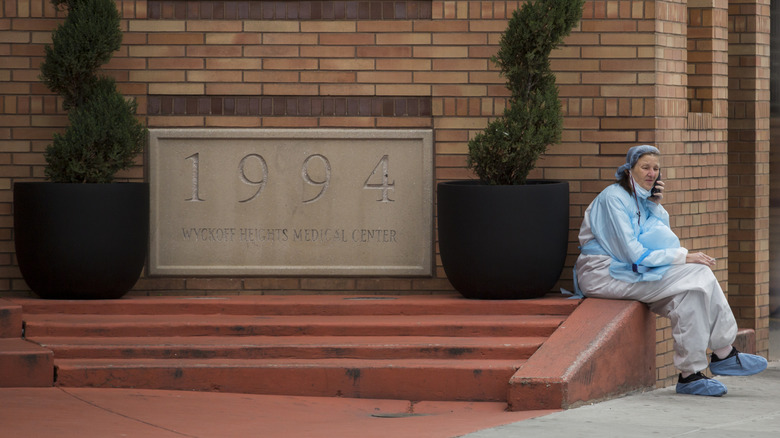
Safety-net hospitals are also expected to be hit severely by the OBBBA cuts, whether they're in a rural location or not, since they cater to Medicaid-insured patients. In a 2025 press conference at Wyckoff Heights Medical Center, Brooklyn, a safety-net hospital in danger of closure, U.S. Representative Nydia Velázquez said, "These cuts will force hospitals like Wyckoff to lay off staff, reduce services, or even shut down entirely. That would leave entire neighborhoods without the care they need", per Brooklyn Paper.
States like Kansas, Texas, Oklahoma, Alabama, and Mississippi would have to bear a large percentage of the hospital closures. In fact, 23 hospitals in Texas and another 30 in Kansas are under immediate risk of shutting down. In Pennsylvania, where hospitals are already grossly underfunded by the government, around 12 to 14 hospitals are at risk of closures in the upcoming five years, per Healthsystem Association of Pennsylvania.
A rise in uninsured patients will put further strain on hospitals
Another prominent reason OBBBA's Medicaid and ACA marketplace cuts have such drastic effects on hospitals is the increase in uncompensated care. Between cuts to Medicaid and the rising number of uninsured patients, uncompensated care costs could burden the nation's hospitals with $443 billion by 2034, according to a policy brief from America's Essential Hospitals. Uncompensated care refers to healthcare services for which the hospitals do not receive a payment from the patient. This can either be in the form of bad debt, where the hospital expected to get paid but didn't, or financial assistance, where the hospital neither expected nor received any pay. Uncompensated care largely stems from uninsured individuals accessing healthcare services.
OBBBA's Medicaid provisions could cut down the insured population by 10.9 million, per Congressional Budget Office estimates. This large number of uninsured patients would put hospitals under financial strain, since they would be required to provide emergency care without guaranteed compensation. Likewise, uninsured patients could end up delaying necessary treatments and instead turn to emergency care when their condition deteriorates, creating an even greater operational burden for the hospitals.