

10 Cities With The Cheapest, Most Reliable Public Transit Systems

You might not realize it, but millions of Americans exclusively use public transportation for their daily commutes. Whether they're traveling for work, school, or shopping, having a reliable public transit system is a must for a significant portion of the country. However, reliability isn't the only important consideration: According to the most recent data from the U.S. Census Bureau, over 18% of regular transit commuters live off incomes of less than $15,000 per year. As such, affordability is a driving factor for many using this mode of transportation.
All things considered, some cities have come to stand out thanks to the cohesive and efficient networks of buses, light rails, trams, and similar resources they provide to their communities. Public transportation in these cities isn't just seamless, it's affordable. In some instances, either portions or the entirety of your public transit journey might even be free.
If you're someone considering a move who either lives a car-free lifestyle or wants to relocate to a place with a great public transit system, the cities on this list are some of the best options in the country.
Minneapolis, Minnesota
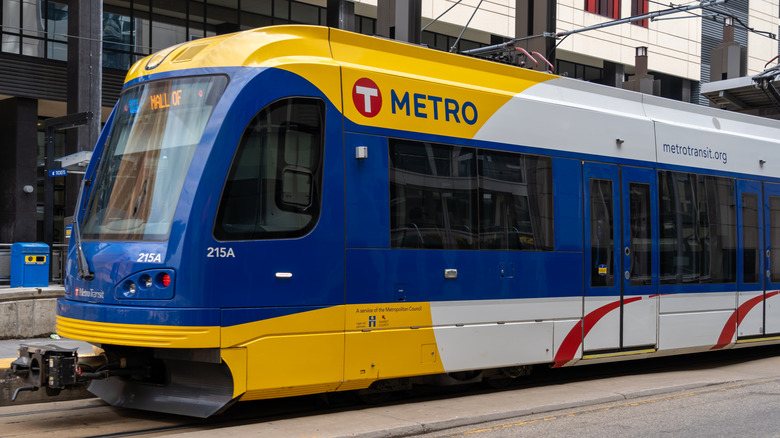
When it comes to public transportation services, Minneapolis' reputation has improved as the number of riders who rely on it has increased. The rising demand naturally brings with it challenges, but the city seems to be doing its best to match those needs while remaining in step with the state of Minnesota's cost of living as a whole. Metro Transit, the main method of public travel service covering the Minneapolis-Saint Paul region, was responsible for 47.5 million trips in 2024. Though Axios reports ridership hasn't returned to pre-COVID-19 levels, thousands of people still rely on the network every day.
Walk Score gives Minneapolis a fairly positive transit score of 55 out of 100 thanks to its efficient network of commuter and light rails working in conjunction with a system of city buses. Meanwhile, Minneapolis' AllTransit Performance Score is 8.1 out of 10, which earns it the No. 12 slot on the website's roundup of U.S. cities with the best public transit. In addition to its accessibility to passengers, AllTransit's list also considers the potential employment the public transportation could help its community connect to. In Minneapolis' case, the transit service brings over 329,000 jobs within range for area commuters.
One-way fares for Metro Transit riders are relatively affordable, beginning as low as 50 cents for adults traveling in the Downtown Zone. Bus and light rail travel costs $2 each way, while express bus fares run adults $2.50 per ride during regular hours and $3.25 during rush hours. Northstar Line rates, meanwhile, fluctuate in cost between $3.25 and $6.25. Those planning to commute regularly can also purchase a Go-To card to conveniently access and pay for all these options.
Boston, Massachusetts
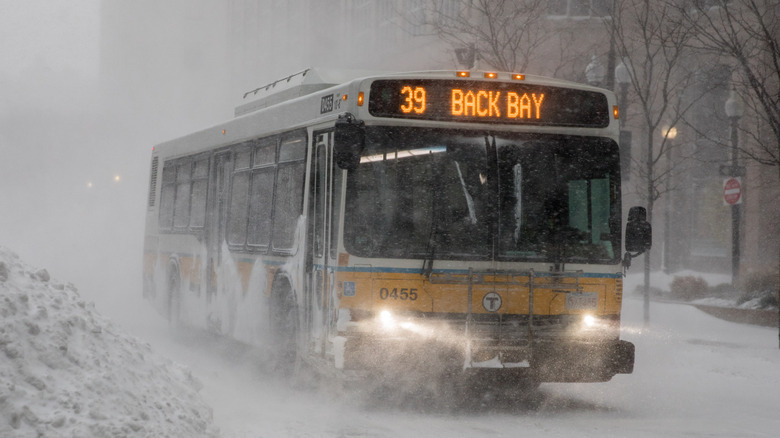
Boston, Massachusetts, holds the distinction of being the first city on the continent to have a subway, with the Tremont Street system first opening to the public in 1897. It was the beginning of a revolution in public transportation services, as the local government went above and beyond to ensure these early trains moved quickly and on time. The original station is still used today, and Boston continues to enjoy a reputation for having one of the best transit systems nationwide.
AllTransit awards Boston's transportation network a 9.1 out of 10, a stellar rating owed to both the nearly 6,000 trips it provides per week on average and the fact that it brings more than 732,000 jobs within a 30-minute commute of consumers. AllTransit also estimates that about 31% of area commuters routinely rely on transit, which is a high-enough figure to suggest many locals are able to reliably get to and from work without factoring expenses like gas into their day-to-day budgets. Likewise, the city's transit rating is a respectable 72 out of 100 on Walk Score. Overall, the website rates Boston among the great cities for car-free retirees and workers alike.
According to the Massachusetts Bay Transportation Authority, one-way trips start at $1.70 for travel by local bus. Fees are payable through multiple methods, such as a refillable CharlieCard, cashless payments, and cash. Subway and commuter rail travel starts at $2.40, though commuter rail rides can cost up to $13.25 depending on their length. The local ferry is similarly priced, with a starting rate of $2.40 that rises to $9.75 depending on the route.
Chicago, Illinois
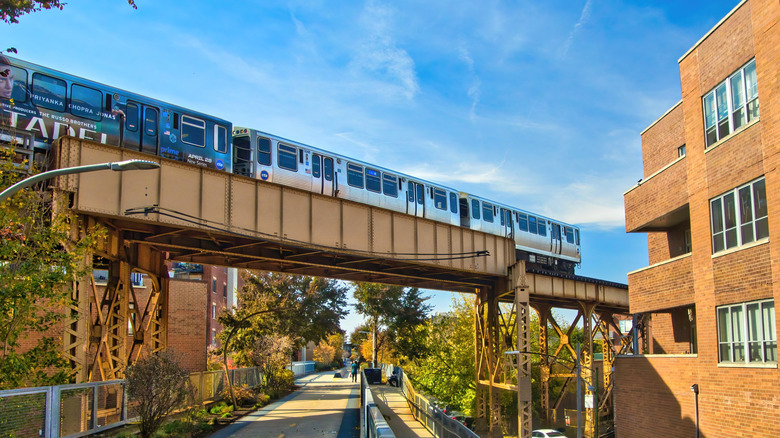
Whether you're trying to get to work or grab a slice of Chicago-style pizza, hopping on a local train or bus will generally get you where you need to go. Chicago is actually considered the third largest city in the United States, with a population of a little over 2.7 million people. With such a large community spread across 50 wards and dozens of neighborhoods, it's essential that the city can provide as highly efficient a system of public transportation as possible.
AllTransit rates Chicago an impressive 9.2 out of 10, as locals take nearly 6,100 trips per week. It also reports the city's public transit makes more than 545,000 jobs reachable within a 30-minute trip. Meanwhile, Walk Score awards Chicago a 65 out of 100 rating for its transportation network and commends the city's walkability and bikeability.
The Chicago Transit Authority reports fares start reasonably cheap, especially with reduced prices for students and senior riders. For instance, a student may pay as little as 75 cents to catch the L train or ride a bus. For regular adult passengers, one-way fares start at $2.25, with daily passes starting at $5. Chicago's public transit also offers two free transfers to additional rides if the passenger boards within two hours of the first one. How much you pay or save may depend on the method, as riders can pay using cash, disposable tickets, reloadable cards, or even a smartphone app.
Miami, Florida
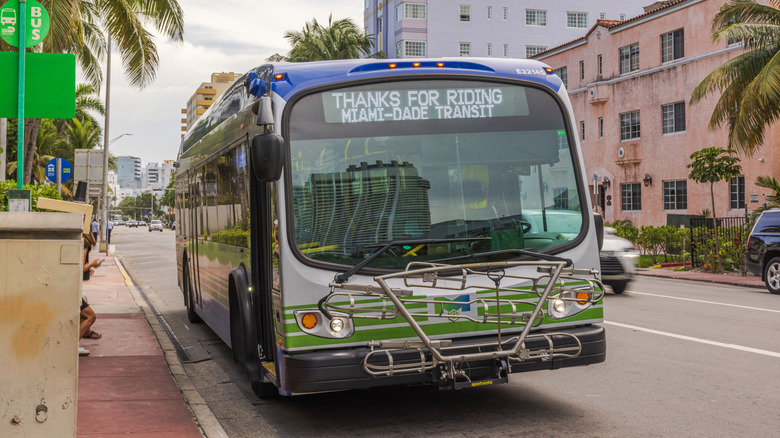
While many people more readily associate Miami, Florida, with beaches and boardwalks, it's also earned top marks for its public transit system. The community resource is considered to be both budget-friendly for many riders and highly connected across key areas of the city.
Walk Score gives Miami an impressive 88 out of 100 rating for its transportation system, deeming it highly convenient for most trips. AllTransit, meanwhile, rates Miami's transit system an 8.5 out of 10. Though the website estimates that about 8.4% of the local population regularly commutes via transit, it provides more than 4,900 trips per week within a short distance of residents' households while making nearly 294,000 jobs accessible for commuters traveling up to 30 minutes per trip. AllTransit considers Miami's public transportation an ideal and effective method for many traveling to and from work each day.
Miami offers both bus routes and rail systems, and Miami-Dade County's website reports the city's Metrobus and Metrorail services start at $2.25. Those eligible for a discounted rate — including senior Medicare recipients, students ranging from kindergarten to 12th grade, and many folks with disabilities — can pay as little as $1.10 if they have the proper transit card. Bus-to-bus and bus-to-rail transfers are free, as is travel by shuttle bus and Metromover. If you catch the intercounty-express bus in Miami, it costs $2.65, while transfers are priced at 95 cents.
Washington, D.C.
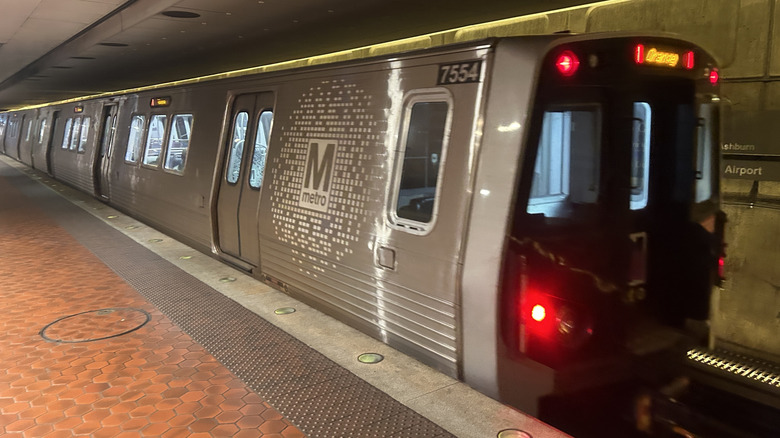
When it comes to pricing and reliability, Washington, D.C., is among the best-rated and recommended cities in the nation for transit travel — and for good reason. According to the Washington Metropolitan Area Transit Authority (WMATA), the city's transit system operates on a budget of over $787 million as of 2026, which is funded through a combination of resources drawn from not just the federal government and city itself, but also the states of Maryland and Virginia.
These efforts earn the city the rare distinction of earning a perfect transit rating from Walk Score, which praises the city for providing world-class public transportation. AllTransit is also impressed with the District of Columbia's transit system, awarding the city a 9.1 out of 10. Per AllTransit, almost 33% of area residents are commuters who rely on local bus and train services on a regular basis. In the city of roughly 700,000 people, the routes and transit options make more than 545,500 jobs accessible to commuters.
Per the WMATA fare page, regular one-way trips start at $2.25, though pricing changes depending on the day and time you ride. For instance, fares may cost as much as $6.75 if you're traveling during conventional working hours on a weekday, but they reduce to $2.50 or less late at night, early in the morning, and on weekends. Seniors, disabled passengers, and those who qualify for Metro Life discounts can access reduced fares as low as $1.10.
San Francisco, California
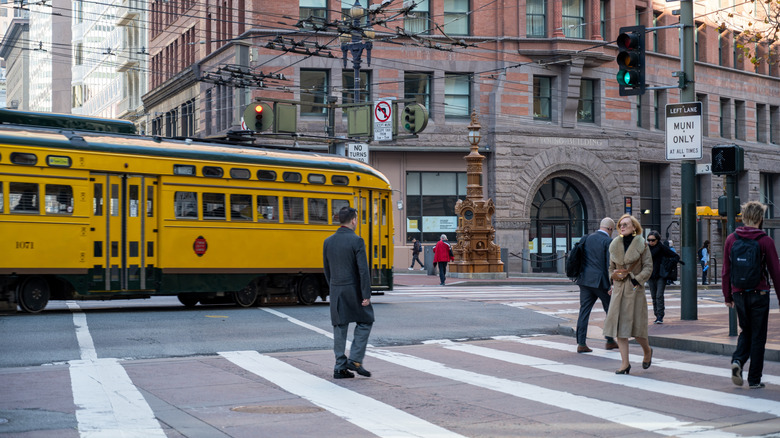
Despite San Francisco's size, the city boasts a surprisingly cohesive public transportation system made up of routes spanning virtually every corner of the city. One especially notable feature of the network is its All Nighter bus service, which runs regularly between the hours of midnight and 5 a.m. Whether you commute late into the evening or just need to get home after a night out, there are consistent public transit options that could get you across most of San Francisco and its neighboring areas.
AllTransit gives San Francisco's public transit system a 9.3 out of 10, providing over 9,600 transit trips per week across 20 routes within a short distance of commuters' homes. AllTransit also estimates that about 31.2% of area households house regular commuters. Meanwhile, Walk Score rates San Francisco's transit quality a 77 out of 100, noting its network of buses, streetcars, and subway stops make it very easy for tourists and locals alike to get around.
As for one-way travel, the San Francisco Municipal Transportation Agency (SFMTA) lists regular fares at $2.85, provided you use the MuniMoble app or a Clipper card. Otherwise, you pay $3. If you need to take multiple buses or trains, a $5.70 day pass will allow for unlimited access to buses, trains, and streetcars for a full day. Seniors can travel for as low as $1.40, while riders aged 18 and under can access much of these city's transit services for free.
Philadelphia, Pennsylvania
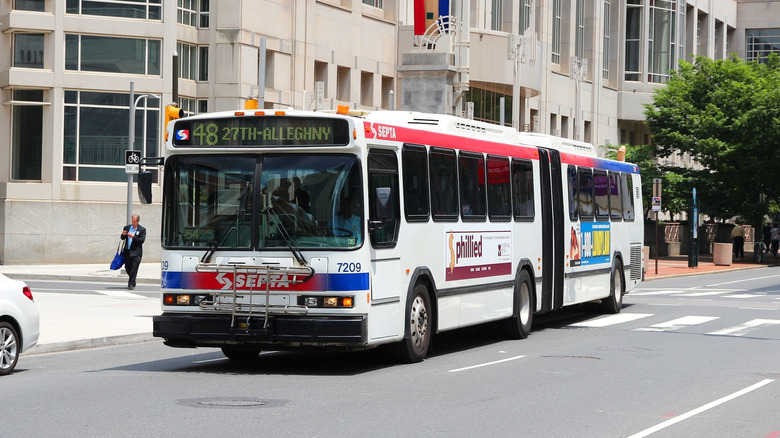
There is much to love about Philadelphia and its public transit system. Operated by the Southeastern Pennsylvania Transportation Authority (SEPTA), Philadelphia's transportation service includes local bus and metro travel, regional rail service, and an accessible paratransit service called SEPTA Access. Together, these community resources help residents navigate their home turf while aiding tourists in avoiding major money mistakes while traveling such as spending too much on rideshares.
Per AllTransit's metrics, Philadelphia earns a 9.1 out of 10 rating thanks to the over 5,200 trips commuters can take per week alongside the roughly 367,000 jobs it helps native Philadelphians get to on time. Walk Score's transit rating is a little lower, at a 67 out of 100. While not the highest score on this list, it's still respectable enough to suggest that Philadelphia is a very easy city to get around in without a car.
SEPTA fares cost $2.90 per trip, which includes up to two transfers within a two-hour window. It may be most convenient to pay using cashless options such as a credit or debit card, a reloadable SEPTA Key card, or a mobile app. Locals report you can often use cash as well, but you may need exact change. Those looking to get in and out of the city to access surrounding towns and the Philadelphia International Airport can expect regional rail prices to range from $5 to $13 per trip depending on the distance and method of payment.
New York, New York
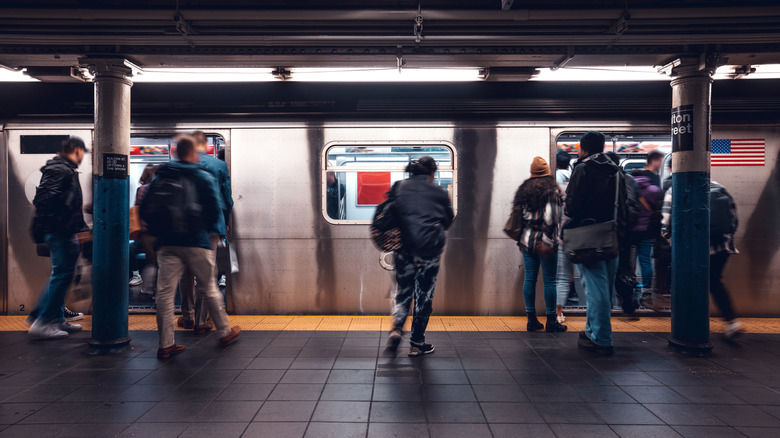
Many consider New York City's transit system the best in the country, and it's one of the few places where you may get to your destination by walking, biking, or taking public transit faster than you would in a car. The city boasts a population of almost 8.5 million people, and its Metropolitan Transit Authority (MTA) reportedly connects about 15.3 million people in and around the city.
New York's public transit earns one of the highest ratings on Walk Score, an 89 out of 100, with the website noting that those in the city are rarely more than a few minutes away from subway access in any given direction. New York City also scores a 9.6 out of 10 on AllTransit, the highest rating of anywhere in the U.S. The MTA helps New Yorkers connect to almost 1.3 million jobs within a 30-minute commute window, and the website also estimates that over 4 million jobs are located within ½ mile of transit services. Most impressively, almost 92% of residents and visitors have 24-hour access to public transportation.
It is worth noting that New York City is notoriously expensive, and the costs can trickle down to public transportation. MTA pricing starts at $3, while express buses cost $7.25. There is talk of eventually making New York's public transportation more affordable, but that will likely take time and a massive budget. Still, if public transit is your primary source of transportation, the expenses you'd cut by avoiding other means of travel could make living in Manhattan on less than $55,000 per year possible with the right planning.
Jersey City, New Jersey
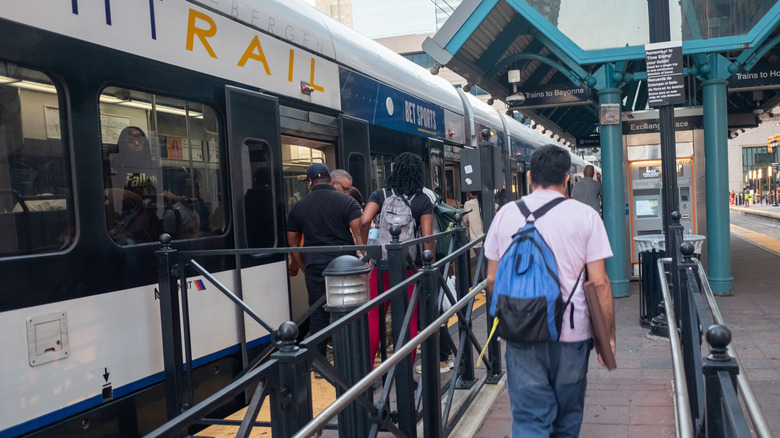
Jersey City has enjoyed a steady increase in residents over the years, with the Census Bureau reporting the population climbed past 300,000 people in 2024. This estimate makes Jersey City the second largest city in New Jersey, and suggests that there are tens of thousands of locals relying on state and municipal resources to provide reliable public transportation. Luckily, Jersey City offers a comprehensive network of buses, a light rail system, and Port Authority Trans-Hudson Corporation (PATH) trains to connect locals to nearby cities like Manhattan.
AllTransit finds Jersey City's transit system to be quite impressive, awarding the city a 9.2 out of 10. Per AllTransit's data, the majority of Jersey City locals can travel to over 828,000 jobs in 30 minutes or less via the city's transportation network. Walk Score, meanwhile, rates Jersey City's public transit system a solid 70 out of 100 and deems the city pedestrian friendly overall.
Summer 2025 saw New Jersey transit prices increase throughout the state, but the pricing of Jersey City's local transportation remains reasonable enough. A one-way or round-trip ride will vary in price depending on the time of day and route. PATH fares cost $3 per trip, though there's a slight discount for SmartLink card users, while the New Jersey Transit website reports light rail trips range from $1.80 to $2.55. Bus tickets can cost as much as $55.75 depending on the destination, but they too start at just $1.80. Most customers will pay full price, though discounts are available for travelers aged 5 through 11 and seniors over 62.
Seattle, Washington
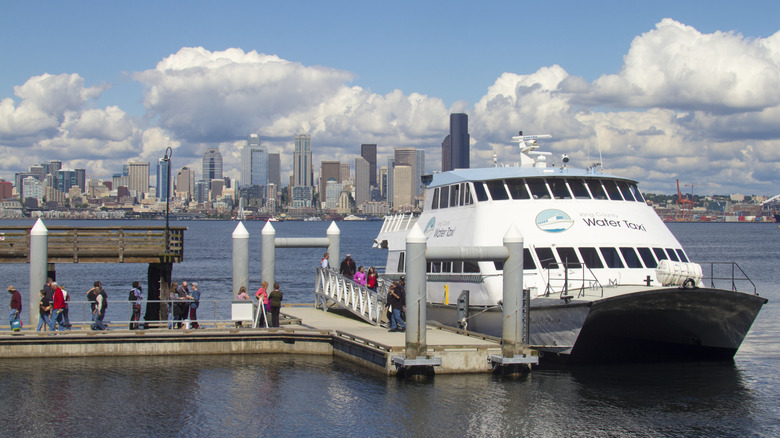
Seattle is already well known as a walkable and bikeable city. Therefore, it's not too surprising that its public transit system is considered one of the best in the country. Seattle's public transportation consists of streetcar, bus, light rail, and water taxi services primarily operated by King County Metro and Sound Transit. In fact, King County Metro claims to serve more riders than any other transit agency in operation across the Northwest.
The vast and effective setup of Seattle's transit services help earn the city's AllTransit rating of 8.3 out of 10. The website estimates that over 592,000 jobs are available within ½ mile of the city's transit stops. The city's Walk Score transit rating is much lower by comparison, at 60 out of 100. Even so, that score represents a perfectly decent public transit system, though it may not be quite as comprehensive as higher-ranked cities.
King County Metro raised fare prices in September 2025 for the first time since 2018. Area buses, streetcars, and water taxis now cost between $3 and $7. A monthly pass, previously $99, likewise saw a price increase to $108 — roughly $3.60 per day across a 30-day period. As for Sound Transit pricing, one-way trips are $3 for most adult riders, while qualifying low-income riders and seniors each pay $1 per ride with the requisite permit. Seattle riders aged 18 and under can use public transit services for free.