

The Possessions Your Children Will Almost Certainly Sell The Moment You Die
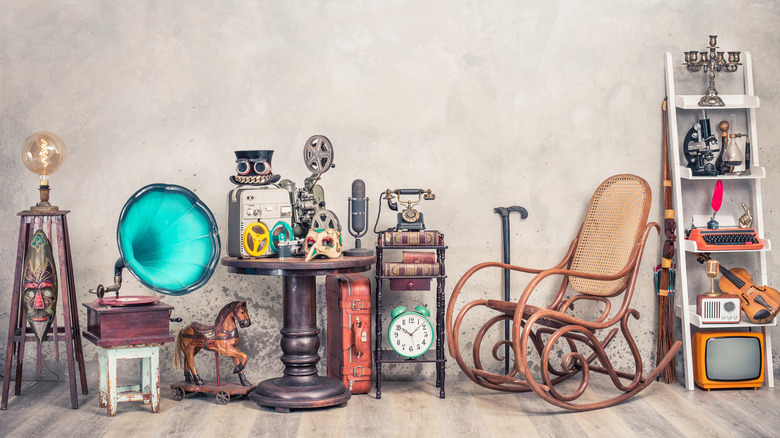
The older you are, the longer you've had to accumulate possessions. Many of these items can hold a lot of sentimental value to you, but what happens to all your stuff when you die? Despite how much they mean to you, the possessions your children will almost certainly sell the moment you die include items that only hold sentimental value to you and items that don't have much monetary value or significance to them. It's true; there are a few key household items every soon-to-be retiree should buy. However, as you age, consider making purchases with more intention so you don't place an undue burden on your children.
Sky Unlimited Legal Advisory says that personal belongings are a major source of conflict for loved ones when someone dies. Sorting through your possessions could take your children between three and six months, depending on the size of your estate and how much time they can dedicate to the task. Having an estate plan in place can guide your heirs in what you want done with your possessions, and discussing your wishes with your children before you die can help them understand which items have the most value or importance to you. Knowing what your children might want and what doesn't interest them means you can get rid of or sell your possessions guilt-free. Because baby boomers are less likely to leave an inheritance, your children will probably want to sell what possessions they can from your estate to boost their cash reserves.
Outdated furniture and appliances
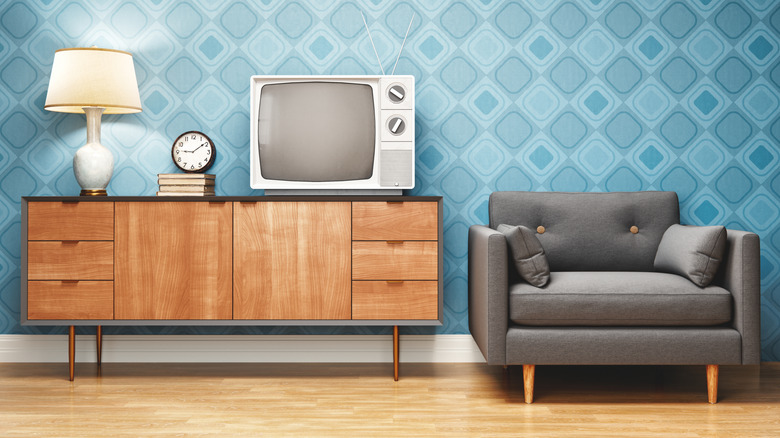
That heavy, old armoire you saved up to buy new back in the '80s or the ornate headboard you've had since you got married aren't items your children will cherish the way you do. Any couches, recliners, chairs, or tables you own are most likely going to be sold unless they're items your children are missing from their own homes. Your children probably have their own decorating style and don't want to bring your old furniture into their home just because it's something you liked. This is especially true if these items are outdated or heavily worn.
Appliances, like your old washer and dryer, refrigerator, and the random assortment of kitchen gadgets you've acquired over the years, are definitely not things your children need or want. Again, unless they're missing these items from their own home, or the ones you have are new and in better shape, they're going to be sold. Designate who might get these items in your will if your children do want them to prevent misunderstandings.
Collectibles and memorabilia
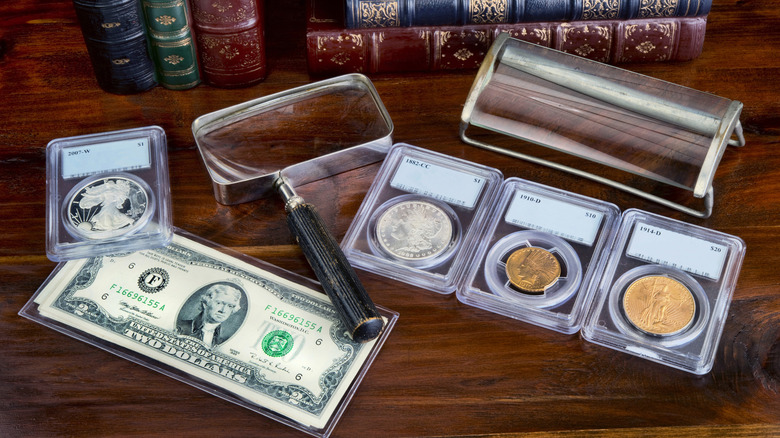
Inheriting collectibles is often a curse in disguise thanks to pesky capital gains taxes, which can be as high as 28%. While it might seem like your lifelong dedication to collecting cards, figurines, or even something with more intrinsic value like coins should pay off for your heirs, it's unlikely to happen. If you do have a collection that holds significant value, ensure your children know what that value is. Leaving your collection hidden away or not disclosing its potential value will inevitably leave your children unsure about how to handle those items or get the best price if they decide to sell the collection.
Unfortunately, even if your kids know the value of your beloved collection, they could still end up selling it for pennies on the dollar. This often happens because children are dealing with so many things in their lives, they don't have the time or desire to find a buyer who will pay what the collection is worth. It might be best to sell off your collection before you die. This way, you can leave your children with a monetary reward from the hobby you enjoyed.
Cars and vehicles
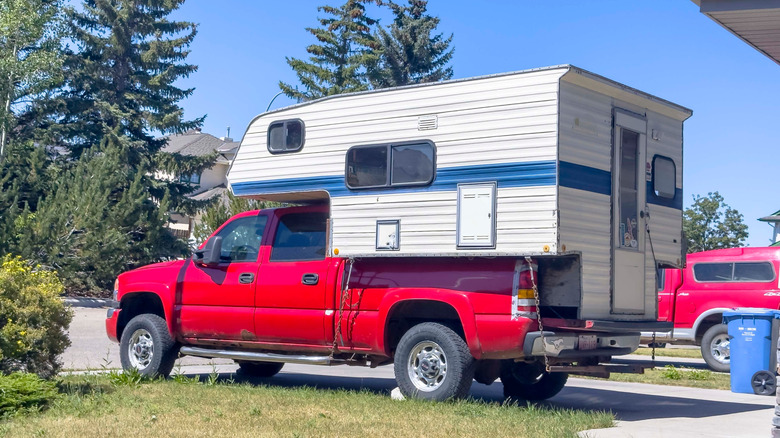
Leaving behind a car, truck, motorcycle, or RV can get complicated for your children. The process of transferring a vehicle title upon the death of the owner varies by state, but it usually involves a lot of paperwork, regardless of where you or your children live. If you have a loan on any of your vehicles, the amount has to be paid even after you die. This responsibility falls on whoever takes ownership of the vehicle or comes from settling your estate. A title transfer costs money as well, not to mention registration and other fees that go along with taking ownership of a car. Plus, your children most likely already have their own car and don't want to take on the responsibility of another.
RVs and motorcycles are a niche market that can make them harder to sell. And if you leave your RV full of camping gear and supplies, it's just one more thing your children have to go through before they sell it. Many adults don't have the extra space to store more vehicles than they already own, so leaving behind a vehicle can be an unintended burden, especially if your children have to pay to store the vehicle somewhere. Giving away or selling your unwanted vehicles before you die can make handling your affairs easier on your children.
Antiquated technology and electronics
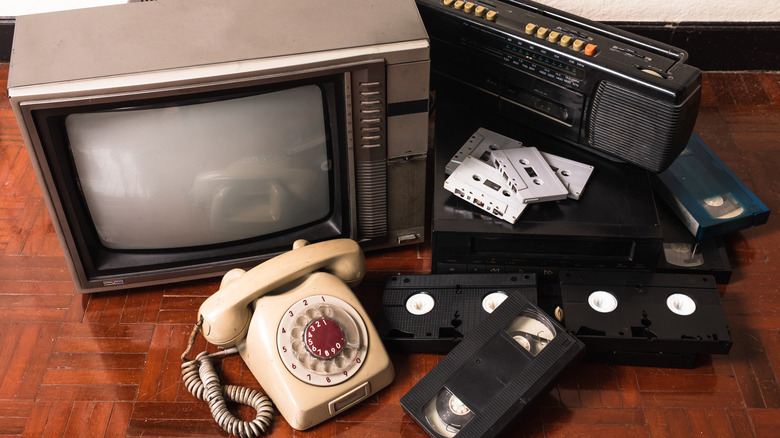
Do you have a VHS player with a variety of VHS tapes to choose from? Or are you still rocking a DVD player with an extensive collection of your favorite flicks on disc? Well, don't take it the wrong way, but this antiquated technology is almost certainly going on the chopping block when your children are going through your possessions. Unless you happen to have a few of the iconic and potentially valuable items from the '70s still lying around, not only do your kids have no use for your old tech, but they've probably amassed their own by now. An old record player and a pile of records may have nostalgic value to you, but your children have their own playlist of favorite songs stored on their smartphone, where it's not taking up valuable space. This means they aren't going to want your old record player.
The same goes for any old electronics you've accumulated. An old, outdated computer won't have much value, if any, so it's going to get sold or given away. Tape players, old cameras, radios, and video recorders might be worth something to the right person, but for most people, these are just items without much use in a modern world. Ask your children if they want these items, and if not, sell or give them away to someone who will appreciate them before you die.