

5 Reasons A Retiree Regrets Buying A Land Rover Car
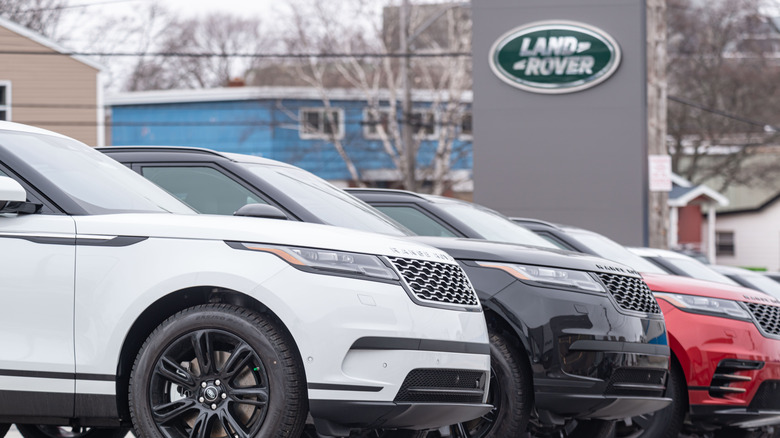
Many retirees rely on a fixed income, which makes having a clear, predictable budget essential. When unexpected costs like surprise bills or vehicle repairs arise, they can quickly derail even the most thoughtful financial plan and pose a real risk. For those reasons, many retirees may wind up regretting buying a Land Rover as they can carry plenty of steep costs beyond just their sticker prices.
However, that's not to say the price tags on Land Rovers are anything to spit at. Even the least expensive model, the Discovery Sport, will set you back nearly $50,000, while the base prices for higher-end Range Rovers start in the six figures. On top of the purchasing price, questionable reliability and the steep costs of maintenance, repairs, gas, and insurance also inform why Land Rovers are among the worst vehicles retirees can buy.
In an iSeeCars study that assessed the vehicles owners were most likely to resell within a year of buying them, three Land Rover models made the top 10. So, even if you have the budget for a luxury SUV, there's plenty of evidence to suggest that putting that money toward a Land Rover could be a big mistake.
1. High cost of maintenance and repairs
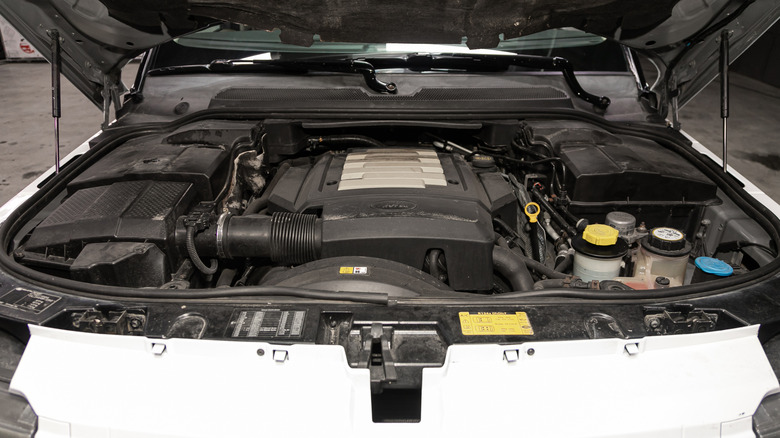
Maintenance costs can be a major thorn in the side of Land Rover owners. Retirees looking to minimize expenses during their golden years may be surprised to discover that maintenance and repair costs for this car brand are significantly higher than those of other luxury vehicles. According to CarEdge, over 10 years, the average cost of keeping a Land Rover up and running is greater than $18,000. That's almost three times the cost of other luxury brands, which average around $6,100.
While the average maintenance costs for the first two years of ownership are more modest, at less than $1,000 a year, they average more than $2,000 within six years and continue to increase as time goes on. In addition, chances are that sometime within a decade of ownership, Land Rover owners may be forced to deal with an especially costly repair. While other luxury brands have around a 35% chance of needing a costly repair over that time frame, for Land Rovers, it's more than 50%. Getting hit with a hefty repair bill when you don't have enough in your retirement emergency fund can cause a big headache and lead to financial strain.
2. Poor fuel efficiency
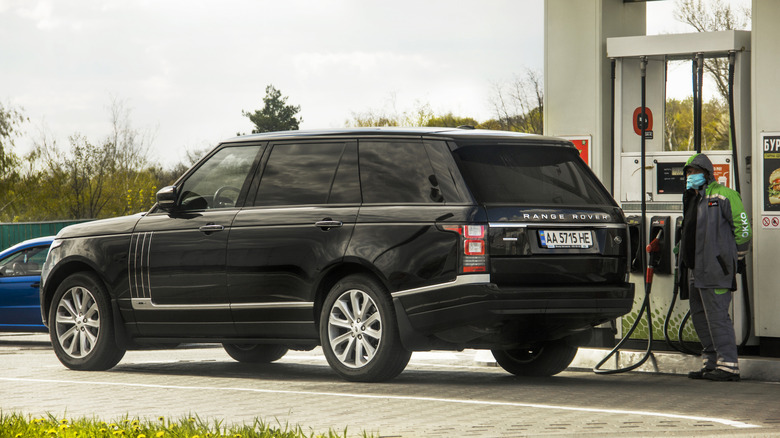
While retirees tend to drive less than working individuals, the cost of fuel can still add up to a meaningful ongoing expense for senior drivers of all income levels. One issue with Land Rovers is the brand recommends using premium gas in all of its models, which can be considerably more expensive than regular. According to AAA, the average price for premium gas is $3.75 per gallon, nearly a full dollar more than regular gas, as of early February 2026. If you live in one of the U.S. states with the highest gas prices, it will cost you even more.
In addition, drivers may get fewer miles out of their Land Rover's tank compared to other luxury SUVs, which means they'll need to fill up more often. According to U.S. News and World Report, the 2025 Land Rover Defender has below-average fuel economy, getting between 14 and 18 miles per gallon in the city and 18 to 21 on the highway. This is substantially less than the BMW X5, a comparable midsize luxury SUV, which gets upwards of 23 miles per gallon in the city and 27 on the highway. Competitors similarly outperform the Land Rover Discovery's fuel efficiency. In cities, the SUV gets up to 19 miles per gallon and up to 24 on highways. Meanwhile, both the Lexus RX, which starts at roughly $10,000 less than the Discovery, and the comparably priced Volvo XC90 offer better mileage.
3. Pricey insurance premiums
While the cost of insuring a car depends on many factors, from the driver's record to the vehicle's condition, the age of the insured also plays a significant role. Auto insurance rates typically start climbing for drivers over the age of 70, meaning many retirees are already paying higher insurance premiums. For those driving a Land Rover, the rates are likely even higher.
According to another CarEdge study, it costs just under $3,500 per year to insure a Land Rover on average — $324 more than much of the brand's competition. Insurance costs, however, depend on the specific Land Rover model. Assuming a good driving record, the cost to insure the Land Rover Discovery runs drivers around $2,700 annually, while the Range Rover Evoque will likely command a similar premium. For other models, the premiums are significantly higher. The cost to insure a Range Rover Sport is more than $4,400 per year, and that figure increases to over $5,000 for a standard Range Rover. If the driver has had a recent accident or has a poor driving record, these premiums could become even less manageable.
4. Disappointing resale value

Despite being a luxury car, Land Rover owners may be unpleasantly surprised to learn how much their vehicle has depreciated when they try to sell it. This may be a particularly bitter pill to swallow for retirees who want to sell a car they no longer need or downsize to something smaller, as they may be counting on the proceeds from the sale. Even selling a Land Rover within a year of owning it will result in a significant financial hit.
According to Edmunds, the Land Rover Discovery Sport, which sells for around $55,000 new, can depreciate by more than $21,500 in the first year — a nearly 40% decrease in value. In that same time frame, Edmunds also reports the Range Rover Evoque depreciates by nearly $20,000 from its starting price of around $57,000, dropping in value by roughly 34%. Both those drops are considerably higher than the 16% depreciation Experian reports new cars tend to see in the first year on average. Over five years, iSeeCars reports Range Rovers also have one of the highest depreciation rates at nearly 63%. These staggering drops certainly inform why this particular make is among the car brands retirees will instantly regret buying.
5. Lack of reliability
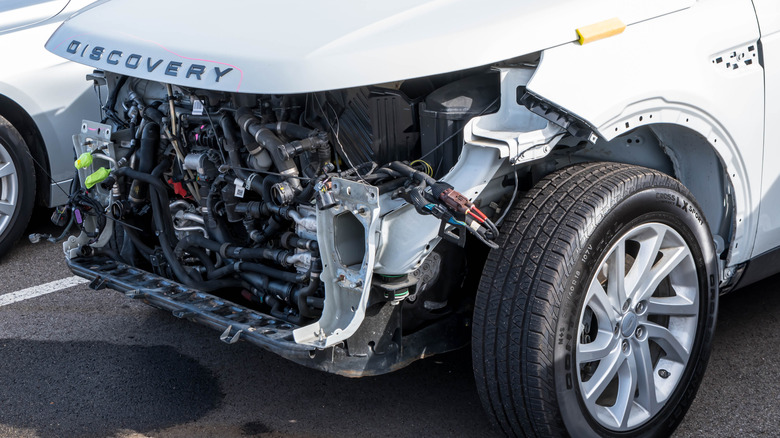
No one likes dealing with car trouble, but it can be a particular nuisance to retirees who may feel less confident behind the wheel as they age or face physical limitations that make it harder to troubleshoot problems on the road. For those who own a Land Rover, these situations may be more likely to occur, and they can cause costly and inconvenient problems.
While reliability is on the upswing with new Land Rover models, even ones sold over the last few years have faced various issues that have prompted recalls. Between January 1, 2024, and March 31, 2025, Jaguar Land Rover ranked No. 8 on a list of manufacturers with the most recalls. During that period, AutoInsurance.com reports the manufacturer issued 26, amounting to 2% of the total recalls in the U.S. auto industry. In recent years, Land Rover models have been recalled for issues with the backup camera displays, airbags ripping when deployed, and problems with the suspension that could cause drivers to lose control of their vehicles. While manufacturers are responsible for recall repair costs for cars less than 10 years old, owners may still face fees. Some may have to take time off from an encore career to get to and from the dealership. Other instances may require drivers to pay for a rental or other transportation if the vehicle isn't drivable. If the defective part leads to an accident before the vehicle is fixed, there could be legal, medical, or insurance costs that could drain the driver's retirement savings even further.