

4 Things You Should Do First If You Inherit A Home You Don't Want

An inheritance can come with a slew of complications for the beneficiary regardless of the assets being distributed, but things get all the more complicated when real estate is involved. There's been a lot of buzz about what will happen to the housing market when baby boomers begin to die, but one outcome is a near certainty: Many Gen Xers, Millennials, and — to a lesser extent — members of younger generations will act as a waystation, inheriting their parent's homes before deciding on what to do with the property. For plenty of beneficiaries, gaining a new home may be a fantastic way to break into property ownership. Others, however, might not want the responsibility and potential hardships that come with inheriting a new real estate asset.
For many reasons, inheriting the home of a loved one can be a tremendous burden. Cleaning up the property, sorting through belongings left in the space, potential tax implications, and the logistics of keeping or selling it can be a major hassle. Fortunately, those who inherit a home they don't want have a few options on the table. Selling or renting the property are both possibilities, but there are other ways to go about giving up ownership altogether without the financial strings attached.
Disclaiming the property can be straightforward, but final

Renunciation is a good starting point when evaluating the options for real estate you don't want. It's a pretty drastic step, but if you really don't want anything to do with the home, you can refuse to accept the transference of ownership. Recording your intention to disclaim the property must be done with your local authority, and it may be best to work with an attorney to ensure that you've covered all your bases. However, you do have the right to refuse something that has been left to you, and it's not as difficult to achieve as it might initially seem.
Under certain circumstances, it may actually be financially prudent to refuse assets in an inheritance. The home may be in a significant state of disrepair, or the tax liability may actually come out greater than the benefit of taking possession of the home. No matter the reason, if you choose to disclaim an inherited property, you'll need to make an irrevocable declaration of your intentions. The home will then be reallocated to a new beneficiary based on probate determinations or specifics listed in the will. Importantly, you'll have no say in this process. Once you disclaim the property, you're effectively washing your hands of the asset completely, including any financial gain and decision-making powers.
Quitclaim deeds direct ownership to someone of your choosing

If you're sure you don't want the home you've been left but would prefer not to revoke all say in what happens to it, you may want to consider a quitclaim deed. This is a fast method of transferring ownership of registered goods that doesn't involve payment or the in-depth title search and verification process that's usually associated with a real estate transaction. Quitclaim deeds are useful for adding new owners to a property, and can be valuable for giving jointly held rights to a new spouse or a child, for instance. This can also act as a helpful tool for buying a home if your partner has bad credit, as you could buy the property as an individual and then use a quitclaim deed to make your significant other an owner after the fact.
Utilizing a quitclaim deed allows you to take possession of the home and then quickly pass it on to someone else. This might be useful if you have a loved one who needs a place to live and you don't need the home yourself. As the named beneficiary, you have the ability to do what you wish with the home, and this can include simply giving it away to a friend, family member, or even as a donation to a charity you support. Going the latter of those routes may even add a nice tax deduction to your annual refund calculation.
If you decide to sell, be sure to have the home appraised

Most inheritors won't be itching to get rid of a property they've come into possession of wholesale. In most instances, if you've been given a home by a deceased relative, you'll have a valuable asset on your hands with the potential to seriously enrich your life. Even homes that have seen better days remain a potent financial tool in most cases. Instead of simply offloading the property and losing out on the financial value it stands to provide, those who don't want the home they've inherited should consider selling it. The average value of a home in the U.S. as of early February 2026 is roughly $357,000, according to Zillow's market data. Even if your inherited home is worth half that, you're still sitting on a significant financial windfall.
Pitfalls abound here, however. The first step when considering this approach involves professional help. Calling a real estate agent to help you understand the true value of the home is crucial. Older homes may have problems hidden within their walls, but they can just as easily hold immense treasures of a vintage nature. As an inheritor, you won't necessarily be familiar with the unique properties of the house, and so value additions can sometimes slip through the cracks. Appraising the home should be your first port of call to avoid selling for less than the home is realistically worth.
Consider renting the property to bring in long-term gains
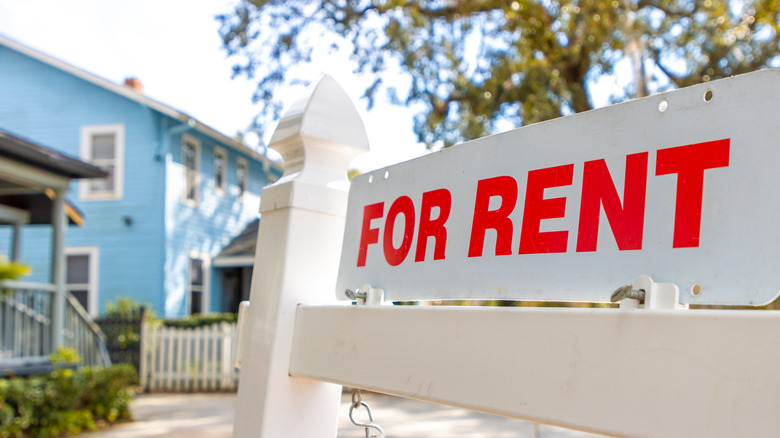
One interesting option for inheritors involves keeping the property and deciding not to use it personally. Suddenly owning a second house gives you plenty of options, and you might be able to turn that asset into a consistent source of income by renting it out. Zillow reports the rent in America averages out at $1,995 per month across all property types and sizes. Income of that level from an asset you didn't have to buy could certainly make for a nice addition to your financial situation. Of course, there's more work to do with a rental property, and the financials of the arrangement aren't always straightforward. Tax liabilities are important to consider, for one thing, and you'll also need to set money aside to cover emergencies, repairs, and other maintenance requirements in the home.
Considering the state of the U.S. population's retirement savings volume, you may easily find yourself behind on your retirement planning goals. Roughly half of Americans have nothing saved for retirement, with low-income households making up a large portion of the vulnerable population. Adding a new revenue-generating resource into your portfolio could completely shift your approach to savings, and potentially aid you in your own retirement preparation. To make the tool even easier to leverage, consider hiring a property manager. They'll take a cut of the profits, but handle almost all of the work.