

This Unsettling Scam Loophole Could Cost You Thousands Of Dollars

Americans lose a terrifying amount of money to scams and fraud every year. In 2024, that number totaled $12.5 billion, according to the Federal Trade Commission. What's worse is that often people never recover their money after such a loss. According to the Federal Reserve's 2024 Report on the Economic Well-Being of U.S. Households, only about 32% of individuals recoup their losses from non-credit card fraud. Consumers may be able to better protect their financial accounts by knowing about an unsettling loophole which scammers use to deceive individuals and which stops banks from recouping the lost money.
Oftentimes, scammers will impersonate relatives or bank workers. Or, as in the case of Houston resident, Willie Delane, tricked into calling a fake customer service number. Their goal with these types of scams is to convince the person on the other side of the phone to transfer money from their bank account to an external account. These are known as authorized push payment (APP) frauds. Through this method, the account holder initiates an authorized transfer, which is not always covered by the Electronic Fund Transfer Act (EFTA), the 1970s law that protects bank transactions. By utilizing this loophole, scammers bypass protections, making the bank protections no longer liable for investigating and reimbursing losses.
How to avoid falling victim to APP scams
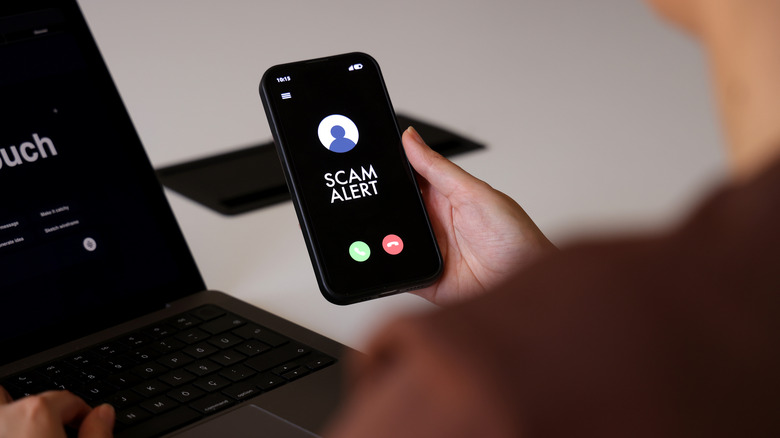
Since APP frauds are one type of scam consumers shouldn't expect bank protections from, knowing how to avoid them is key to protecting your money. On the technical side, consumers can set multi-factor authentication (MFA) on their bank accounts. This provides an extra layer of security by sending one-time passwords to the user's phone or email which have to be input to complete login. While it does add an additional step for you, it also helps prevent scammers from hacking into your account. Apart from these safeguards, the best way to avoid APP frauds is not to become targeted in the first place. This can be done by not sharing personal information over the phone or opening unknown emails.
However, if you're on the phone with someone who you suspect is convincing you to initiate an authorized transfer, it's best to verify their identity before continuing the call. Some scam calls will spoof actual bank customer support numbers and try to pose as bank employees. Individuals are always free to end the call and contact the bank directly through the phone number listed on the back of their debit card. If there's a real issue with your bank account, the bank will likely have a record of it. If you suspect scammers are posing as a loved one or acquaintance, individuals should hang up and contact them directly to verify before sending money.