

Financial Habits Americans Want To Break In 2026 To Beat The Affordability Crisis

Bad habits can be hard to break. When those habits start taking a toll on your finances, however, it's important to try. As the cost of everyday essentials jumped throughout 2025, many consumers are craving a change in 2026. That's why, with the new year officially underway, many Americans are looking to leave behind some of the money mistakes they made in 2025, from indulging in impulse purchases and running up credit card debt to spending on unnecessary products and services.
For many Americans, 2025 was a stressful year for their finances. A December 2025 study commissioned by Intuit Credit Karma found that unexpected expenses caused the most financial hardship during the year, though delinquent mortgage and credit card payments also took a toll. "Many people struggled with similar issues like impulse buying or not saving enough," Courtney Alev, a consumer financial advocate at Intuit Credit Karma, said. She added, "The best thing you can do after a year of financial challenges is to not let regret paralyze you and stop you from making progress." The good news is that many Americans seem resolved to get their finances on track, with 45% of respondents stating they're optimistic they'll make successful changes to the way they handle money in 2026.
Indulging in impulse purchases

Most people are guilty of giving in to impulse purchases at some point. A November 2025 report by Capital One Shopping found that 89% of shoppers have made impulse buys, with the average consumer making six such purchases per month. This habit may not seem overwhelmingly destructive depending on what you buy, but some of these purchases get pricey: More than half of shoppers reported spending more than $100 on an impromptu purchase, and 36% said they spent more than $250 on an unplanned buy in Q1 2025.
Over time, these costs can add up and cause real harm to your finances — especially at a time when affordability has increasingly become an issue for many Americans. If spur-of-the-moment spending is one of your bad habits, consider trying some strategies to tackle impulse spending. One approach is to avoid temptation by unsubscribing from marketing emails or unfollowing your favorite brands on social media. If you see something you like online and think you have to have it, try giving yourself a waiting period before you make the final purchase. You may be surprised to find that your desire for that item has faded after a day or two.
Ignoring climbing credit card debt
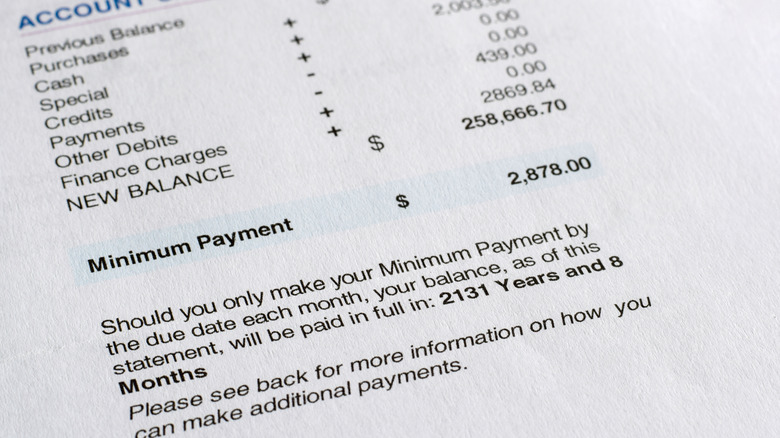
According to the study by Intuit Credit Karma, 21% of Americans said one of their top financial regrets in 2025 was growing credit card debt. While credit cards can be valuable tools for establishing good credit when you pay off your balance each month, charging more than you can afford can quickly become a costly problem. Interest fees, which average nearly 20% as of January 2026, can accumulate fast, causing your balance to balloon. If you miss a payment, you'll also have to contend with potential late fees. With the cost of living already unaffordable for so many, these extra costs can be catastrophic for your financial health.
Instead of ignoring your climbing credit balances in 2026, consider being proactive by taking inventory of your accounts and using strategies to pay down your debt. One option is to pay more toward the card with the highest interest rate while continuing to pay the minimum on other cards. You can also explore whether it's possible to reduce your debt. It's unlikely a lender will entirely forgive the credit card debt. However, you may be able to qualify for a debt relief program, which could potentially lower your interest or give you a more accessible path forward for paying off what you owe. You could also consider a debt consolidation program, which combines balances from multiple cards into a single payment, often at a lower interest rate.
Overspending on subscription services
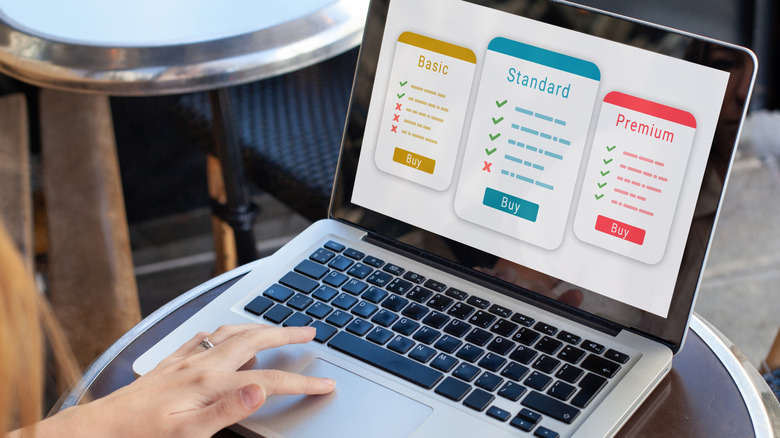
Spending $5 or $10 a month on a subscription to stream television shows, listen to music, or track your fitness goals may not seem like a big deal, but those costs add up quickly when you're paying for multiple services. According to a 2025 CNET study, 80% of Americans paid for at least one subscription service over the previous year, spending an average of $90 a month. What's worse is that people are spending an average of $200 a year on subscriptions that they aren't even using. If you're already having a tough time covering your living expenses, overspending on subscription services should definitely be on your list of bad habits to break in 2026.
To get your subscription costs under control, start by making a list of all the services you subscribe to and what you're spending on each. Various budgeting apps can help you manage your finances and even cancel subscriptions on your behalf. If there are subscriptions you can't bear to go without, you may be able to find deals to minimize the cost. For instance, some streaming services offer occasional promotions that allow you to sign up at a significantly lower price. You may also be able to get discounts on certain subscriptions through your credit card, cellular plan, or other memberships.
Bypass making a budget

Another bad habit many Americans would be wise to break in 2026 is ignoring the need for a budget. According to Credit Karma's study, nearly a quarter of respondents neglected budgeting in 2025, but more than half said that maintaining a stricter budget is on their to-do list in 2026. Having a clear picture of your income and tracking your monthly expenses — both large and small — can help keep your finances under control and prevent overspending. Even a simple budget can go a long way in dealing with rising costs and regaining financial stability.
While determining a budget may seem overwhelming, following the commonly used 50/30/20 budget rule is a popular way to get started. The rule calls for allocating 50% of your income to essentials, such as mortgage or rent payments, medical expenses, and groceries. The next 30% goes toward your wants, which can include vacations, recreation, or subscription services. The final 20% should go toward savings. For some, that may mean contributing to a retirement account or a college fund, while others may earmark this portion for emergency expenses or to pay down credit card debt.
Overbuying bulk items
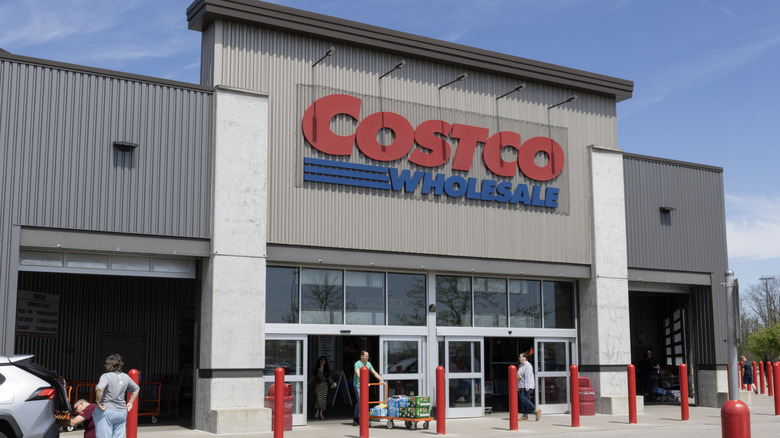
With the cost of so many items causing Americans stress, buying in bulk may seem like an easy way to save a few bucks. Wholesale clubs offer discount prices on bulk purchases for food, toiletries, cleaning supplies, and even clothing. But bulk buying may not actually be a grocery shopping strategy that saves you money. When you overbuy items you don't actually use — particularly food that expires before you get to eat it — those purchases can be a waste of money. While you may have enjoyed your monthly trips to stock up at BJs or Costco in 2025, that may be a habit you'll want to rethink in 2026.
Unless you have a large family or are feeding guests, you may want to forgo overstocking perishable items such as produce, milk, and yogurt. There's a good chance these items will spoil before you can use them up, while bread and bakery products can also go stale quickly. Even items with longer shelf lives will eventually go bad. For some products — such as milk and bread — you may not even get a better deal at warehouse stores, as local grocery shops often offer them at comparable prices. So, before you take your next trip to fill your cart with bulk items, make sure the things you're planning on stocking up on for the long term will actually have the low prices and longevity to make them worth it.