

The 15 Most Expensive States To Own A Car, According To Consumer Affairs

The U.S. is an undeniably car-centric country, with nearly 300 million actively registered vehicles, according to estimates by Hedges & Company. That's nearly a car for every single American, given the U.S. Census Bureau's population estimate of 343 million people. Beyond mere convenience, the Federal Reserve Bank of Richmond reports that over 66% of Americans rely on a vehicle to commute to and from work. Thus, the costs incurred by owning a vehicle are largely unavoidable for the overwhelming majority of U.S. adults who don't have reliable access to public transit or other transportation alternatives.
Unfortunately, the expenses associated with purchasing, owning, and maintaining a vehicle have increased significantly over the years. The Federal Reserve Bank of St. Louis reports that the average U.S. consumer spends $13,318 on transportation costs annually — a staggering increase from $7,677 in 2010.
Vehicle ownership consistently ranks among the highest household costs, often falling behind housing. To shed light on this rising expense, Consumer Affairs analyzed data from multiple private and federal sources to see how these averages spread out across different states. The customer review company focused on three primary recurring costs: insurance, maintenance, and fuel. Although repair costs remained largely comparable across the country, fuel and insurance costs showed extreme variations. Notably, each of these variables has risen over the years, often outpacing inflation. Combining all those factors, the national average expenditure for car owners is $3,001: These are the states where drivers spend well above that.
Delaware

Delaware tops the list of the most expensive states to own a car. According to Consumer Affairs, local drivers spend a total of $4,319 on transportation — 44% more than the national average. Notably, Delawareans spend an average of $1,389 on insurance costs and $391 on repairs, which are in line with average national rates. While that may lead you to assume gas in the area is priced exorbitantly high, AAA reports that Delaware's average price per gallon is less than 10 cents above the nation's as of January 22, 2026. So, the reason Delaware residents cough up a steep $2,539 per year on fuel alone — the highest average of any state — is actually due to the fact that they simply drive further distances than car owners in other parts of the U.S.
This annual cost is 5.21% of the state's median household income of $82,855, per the Census Bureau. This figure may confirm that retiring in Delaware could be a huge mistake in some seniors' eyes — especially for those on fixed incomes.
New York

The Empire State is well known for being expensive, and not just because it houses one of the wealthiest and most expensive suburbs for American retirees. According to Insure's analysis of data from the Center for Regional Economic Competitiveness, the state's cost of living is 23% higher than the national average. Although housing comprises a solid chunk of these abnormal prices, car expenses aren't too far behind. Consumer Affairs reports insurance in the state runs drivers $1,676 per year on average, while repair and fuel costs are also elevated at $387 and $1,544, respectively. In total, New Yorkers pay a stunning $3,607 in annual transportation costs.
While that's several hundred dollars more affordable than Delaware, it's still 20% above the U.S. standard. Even though New York is one of the states with the highest median income, the cost of owning a vehicle in the state is still a crucial item to consider when budgeting there. Residents spend 4.26% of their average income, which the Census Bureau reports is $84,578, on transportation costs.
Florida
Some people might be surprised to see Florida so high on the list of the most expensive states to own a car. In most respects, the Sunshine State doesn't stray too far from the rest of the country in terms of affordability, but its hidden costs — including vehicle ownership — are among the many reasons retirees regret moving to Florida. Overall, Floridians pay $3,481 every year simply to maintain and operate a car by Consumer Affairs' estimate. The largest chunk of these costs is siphoned off by insurance expenses, which annually total $1,703 on average. These above-average insurance rates are largely the result of a prevalence of natural disasters, which drive up risk for insurance companies. However, the state also experiences more accidents.
Vehicle repairs hover around $396 each year, while fuel expenditures reach upwards of $1,382 annually. Altogether, these costs are 16% higher than the country's average. For a local perspective, the Census Bureau reports the state's median household income is $71,711, meaning about 4.85% of that figure goes towards transportation expenses for the average driver.
Mississippi
Mississippi may be the second-most affordable state in the U.S., but its driving-related expenses sure aren't earning it that reputation. At $3,465 per year, per Consumer Affairs, the average Mississippian pays 15.5% more than the average American for annual transportation expenses. For insurance, residents pay about $1,232, and repair expenses add up to $394. While both of those figures are relatively moderate compared to other states, the same can't be said about car insurance coverage.
Interestingly, Mississippi's fuel costs are more inflated than New York's or Florida's, standing at $1,838 annually. Altogether, the Magnolia State ranks fourth in the nation for its transportation costs. However, locals may feel disproportionately burdened by their vehicular expenses, as the state also boasts the lowest statewide income in the country. According to the Census Bureau, Mississippians' median household income is $54,915, meaning they dedicate roughly 6.3% of their yearly earnings to driving and maintaining their cars.
New Jersey

New Jersey is one of the worst places for retirees without savings, and the cost-of-living warning can extend to all budget-conscious Americans. RentCafe's analysis of the Council for Community and Economic Research's (C2ER) data reports that living in the state costs 15% more for the average person compared to typical U.S. living expenses. Consumer Affairs fleshes out how these soaring costs extend to transportation: Annually, residents in New Jersey dedicate about $3,447 to their vehicles. Insurance and fuel share about equal amounts of that cost at $1,523 and $1,525, respectively. The remaining $400 goes toward repair expenses.
In total, these vehicle costs are roughly 14.9% above what the average American pays. These costs might appear unreasonable in a vacuum, but residents of New Jersey tend to earn much more than the country's median income. For reference, the Census Bureau reports the Garden State's median household income is $101,050. This means the typical resident is only paying 3.41% of their annual salary in transportation costs, a much lower burden than those in low-income states.
California

California may not be a surprise inclusion on the list of the most expensive states to own a vehicle. After all, RentCafe estimates that the state's general living expenses are 40% more than the country's average based on C2ER data. This higher-than-normal trend seeps into transportation costs, which stand 13.6% above the national average according to Consumer Affairs' report.
Between insurance coverage, repairs, and fuel, vehicle owners in California spend about $3,408 annually. The state's annual car insurance costs come out to about $1,252 on average, while repair costs come to $416. With an annual fuel expense of $1,741, California's gas prices exceed those of almost every other state. AAA reports that the Golden State has the second highest gas prices in the U.S, around $4.20 as of January 2026, placing it behind only Hawaii. Despite being among the costliest places to own a car, Californians pay a relatively low percentage of their income toward vehicles because of their above-average earnings. Only about 3.54% of the state's reported median household income of $96,334 goes toward transportation costs, per the Census Bureau.
Georgia

Money goes further in Georgia than in much of the rest of the U.S., but that doesn't seem to have much of an impact on the cost of having a car in the Peach State. Consumer Affairs reports that Georgians have to budget for about $3,392 worth of car-related expenses per year — roughly 13% more than the national average. That's a considerable jump from the state's general cost of living, which RentCafe reports is 8% below the U.S. norm based on C2ER data.
The cost breakdown, while steeper than in other states, is familiar: Insurance and fuel comprise a near-equal amount of the total costs. Coverage in Georgia is about $1,510 annually, and gasoline runs drivers roughly $1,475. Fuel is the lowest yearly vehicular expense at $408. Seeing as the Census Bureau finds that the state's median household income comes to $74,664, the cost of owning a vehicle in Georgia takes up about 4.54% of the average resident's income.
Louisiana
If you live in Louisiana, you're not only paying one of the highest sales tax rates in the U.S., you're also paying a lot for vehicle ownership. More specifically, residents fork over $3,392 annually to keep their car street legal and running smoothly. Consumer Affairs finds that insurance is the largest of these costs at $1,743 per year. Some of the primary drivers of the Pelican State's high car insurance premiums include a sizable percentage of uninsured drivers, the prevalence of extreme weather events, and the fact that Louisiana drivers are often more liable to sue for vehicular mishaps. All these factors make it more expensive for insurers to operate, leading to elevated premiums.
Annual repairs in Louisiana remain on par with the national average at about $389, while fuel costs are a much larger chunk of drivers' budgets at $1,260. Altogether, these transportation costs are 13% higher than drivers pay across the U.S. Due to the state's relatively low median household income of $60,023, per the Census Bureau, transportation expenses are disproportionately more burdensome than in many other states. On average, they account for 5.65% of the typical resident's earnings.
Nevada

RentCafe finds that the financial requirements of living in Nevada are roughly comparable to the nation's as a whole, but vehicle ownership might be the exception to that trend. Consumer Affairs estimates that the annual cost of owning a car in the state is about 9.9% more than the national average, at $3,298 per year. Much like other areas on this list, the average Nevadan pays nearly equal amounts for insurance coverage and gas: roughly $1,421 and $1,479, respectively. Additionally, residents can expect to spend $398 on vehicle maintenance and repairs.
Meanwhile, the Census Bureau reports that the Silver State's median household income is a healthy $75,561. Thus, a yearly expenditure of $3,298 comes out to 4.36% of the typical Nevada inhabitant's income. Higher-than-average car ownership costs are already among the reasons retirees regret moving to Las Vegas, but even younger residents of Nevada at large are paying a hefty premium to get around.
New Mexico

With stunning landscapes and a unique local culture, New Mexico is one of the cheapest places for U.S. tourists to visit and a relatively affordable place to call home. However, if you own a car there, you might think differently. Consumer Affairs reports that insurance coverage runs the average resident $1,149 on its own, while routine repairs hover around the country's average at $393. Fuel is by far the most expensive car-related cost, reaching $1,668 per year on average.
In total, residents of the Land of Enchantment can expect to pay in the ballpark of $3,210 per year in transportation costs. In total, that's around 7% higher than the national average. And while we may be getting to the more affordable end of this roundup, Census Bureau data shows New Mexico still has a relatively low median household income of $62,125. So, local drivers deal with a pretty severe burden each year they need to drive and insure a car. All told, New Mexico residents spend an average of 5.17% of their income on owning a car.
Arizona

Arizona has consistently been a popular place for those seeking to transplant to a city in the Western U.S. without spending a fortune, especially for retirees. Over time, the cost of living has risen to exceed the national average by 8%, according to RentCafe's analysis of C2ER data. Owning a vehicle is one of the areas where Arizona's elevated costs outpace U.S. norms, bringing up overall living expenses.
More specifically, Consumer Affairs estimates that the average resident tends to dedicate $3,199 per year toward their vehicle. Insurance premiums total $1,287, and repairs come out to roughly $389 annually. Gas is the highest vehicle-related expense among these categories by a significant margin, reaching $1,523 yearly. Though not as egregious as other Western states like California and Nevada, the Grand Canyon State's average gas prices still exceed what you'll find in much of the rest of the U.S. The median household income in the state is $76,872, per the Census Bureau, suggesting Arizona drivers spend 4.16% of their pay on simply owning a vehicle. While avoiding the cars that instantly drain your savings can help offset some of these costs, keeping a car on Arizona streets could certainly prove a challenge for some locals.
Texas
Owning a car in Texas is estimated to cost an average of $3,169 per year, according to Consumer Affairs. That's about 5.6% above the U.S. average, when accounting for insurance, repairs, and fuel. This is a notable expense, as the Lone Star State is actually known for being a relatively inexpensive place to reside.
Average insurance premiums of $1,470 per year explain much of the state's elevated vehicle costs. MoneyGeek suggests that Texans pay upwards of 21% over national averages for complete car coverage and 10% more for minimum policies, largely due to the state's severe weather events. The state's high concentration of large cities could also be a factor, as having a car in a major metropolitan area comes with an increased risk of collisions and theft. Fuel costs and repair expenses cost $1,301 and $398, respectively, each year. With a median income of $76,292 by the Census Bureau's calculations, the average Texas household is spending 4.15% of its pay on cars. These above-average costs can be offset by looking at Consumer Reports' roundup of the best cheap cars that balance affordability and reliability.
Maryland

In Maryland, you're liable to contend with living expenses that are 14% costlier than the U.S. average, per RentCafe estimates based on findings by the C2ER. Although not quite as elevated as housing costs compared to the rest of the nation, Maryland's annual vehicle costs exceed the national standards by around 4.8%, per Consumer Affairs data.
Insurance is the costliest component at $1,389, but fuel costs aren't too far behind, consuming $1,356 annually. Car repair costs residents about $399 per year on average. Altogether, the average resident of the Old Line State runs up transportation bills of $3,144 each year. Given these figures, it's no wonder Maryland is one of the states with the highest average credit card debt. The Census Bureau lists the state's median household income as an impressive $101,652, and similar to other high-income states, these above-average transportation costs make up a lower percentage of the average income. Residents only spend about 3.09% of their income on vehicle expenses by Consumer Affairs' standards.
Colorado

While the cost of living in Denver might turn people off from the state as a whole, there are affordable places to live in Colorado. Unfortunately, even car owners in these areas will have to contend with some considerable expenses: At $3,100 per year and 3.3% above the national norm, owning a car is among the costliest budget items in the state.
Residents often pay upwards of $1,446 to insure their vehicles for a year, and that's on top of the fact that Colorado has the highest vehicle repair costs of any state on this list: Residents spend about $417 annually to keep their vehicles running properly. Fuel comes out to be $1,236 per year, which is unsurprising considering AAA finds the state's gas prices to hover right around the national average. The median household income in the Centennial State is $92,470, which means the average Coloradoan contributes 3.35% of their income toward transportation costs.
Missouri
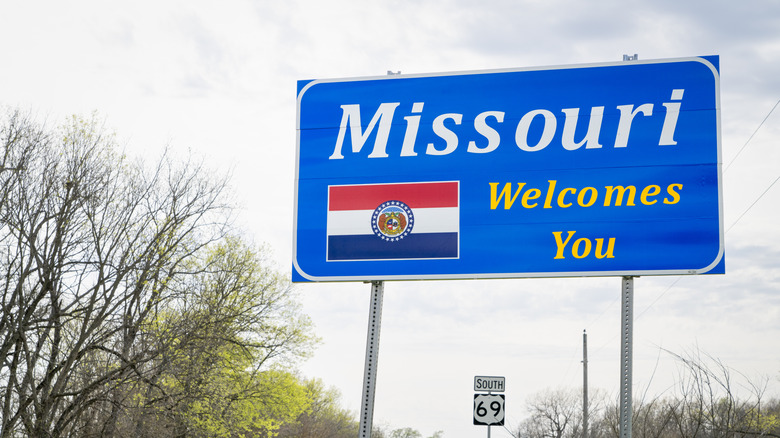
Missouri might be at the bottom of this list of the most expensive states to own a car, but it's still costlier than 35 others. On average, residents spend roughly 2.9% more than the typical American. That might not seem like a lot at first, but routine car-related payments could easily become monthly expenses you're forgetting to put in your budget.
The Show-Me State still levies an annual transportation cost of $3,089 by Consumer Affairs' measurements. For reference, that accounts for about 4.48% of the state's median household income of $68,920, per the Census Bureau. Car insurance rates in Missouri clock in at $1,144. That may be a smaller figure than in other states listed, but auto insurance rates are rising extremely fast in Missouri, so even that portion of residents' vehicular expenses could still stand to grow. Meanwhile, an average year's worth of repairs costs locals $379, while fuel takes up the largest section of area drivers' budgets at $1,566.