

5 Reasons A Retiree Regrets Buying A Vacation Home

The idea of a vacation property is a phenomenally appealing thing. Buying a second home allows you to enjoy enhanced flexibility to spend your retirement lifestyle jetsetting between the place you call home most of the time and a secondary location you've decided you want to spend ample free time exploring. As a retiree, you may have more than enough savings to facilitate an investment in a second home that allows you to live on vacation as the locals do in a place you love. But it's not always sunshine and rainbows when taking this plunge. There are lots of potential pitfalls that can derail your plans. The purchase price is the first hurdle to manage. Just because you can technically afford an investment of this nature doesn't mean it's actually a good idea or that your finances can stand up to the big cash payment or ongoing monthly expense.
There are numerous other considerations to make. Retirees will be committing to spending lots of time in this one vacation space for the long haul rather than enjoying the flexibility to make individual decisions about where to head away on any new holiday. The investment can also trend downhill in a hurry if it's structured as a timeshare rather than a genuine purchase, because restrictions on use and ongoing fees can eat away at your ability to use the property while ramping up the financial commitment over the long term. Similar issues exist for those who have health complications to consider or want to use the property as an Airbnb.
1. Affording the expense and justifying the commitment are two separate things

Retirees with plenty of available capital might be correct in thinking they can afford a vacation home. Managing the expense may not be all that difficult, especially in a budget-friendly location like an inexpensive island destination or a sleepy lakeshore community. Adding a small mortgage payment into the mix might feel like a small price to pay for a place that's truly yours in a new and exciting place. But even a modest monthly expense creates a new and unavoidable demand on your budget that can't easily be altered. You're committing to paying off the purchase for the foreseeable future, even if you don't keep the property for the lifetime of the loan's original term.
Changes to your life might require additional cash to handle an emergency or a new obligation. For instance, you might need to spend more to handle a health issue, creating the need to draw heavier from your accounts. The certainty of this new expense mixed in with the natural state of flux that retirement finances often demand can generate a potent instability. Even if you can afford the price of the property today, that doesn't mean you'll always be able to justify the commitment to yourself, especially if other financial obligations creep into your budget. The median mortgage payment in the United States is roughly $2,250, so adding a new obligation of this size or augmenting the final years of an existing repayment load can create a major weight on a retiree's financial structure.
2. Committing to a single vacation destination can get boring in a hurry

Retirement is a time of great relaxation and perhaps even adventure. Even if you're a creature of habit, repetition can get stale. Investing in a vacation property is a huge financial commitment, but it creates a constant battle of opportunity cost that can ultimately limit your ability to explore other destinations and ultimately reduce the level of enjoyment you find in the property itself.
Buying a vacation home creates a kind of obligation. You'll need to spend enough time in the property to justify the expense, so many if not virtually all of your vacations might be spent in the home rather than exploring alternatives. Going on the same vacation every year (or multiple times each year) can become boring in a hurry. You might even start to resent the time you spend in the home rather than enjoying it as the vacation time it's meant to deliver. Spending money to go on a trip that doesn't involve your vacation home can feel wasteful, even if you've lost your love for the place. Selling the property can be a non-starter, especially if property values in the area have gone down since you invested or the home has seen some wear and tear or environmental damage during your ownership. This can leave you with a major financial drain that creates negative emotional pressure in numerous ways.
3. Health needs and other obligations can limit your ability to enjoy the property

Workers tend to have far less time than they'd like to hit the road or kick back and relax. As such, many people envision buying a vacation property when they quit the rat race so that they can do as much lounging as possible when the time to really enjoy it materializes. But the older you get the more you'll need to think about other kinds of time commitments. It's an undeniable fact that older Americans spend more on their health care as a whole than those in younger age brackets, at 65, estimates place the average annual health care spend at $6,500. They also tend to need to see their doctors on a more consistent basis. Even someone working with a minimally invasive health need may find that they actually don't have the ability to get away to their vacation home as often as they'd like, even with plenty of free time on their hands.
There are lots of complications that can limit a retiree's ability to leave their primary residence for a while. Other time commitments in their local community might limit a vacation property's use; another factor might be meeting the obligations associated with maintaining a reverse mortgage in retirement. Health issues are yet another concern to add to this complex network of demands on your time. But they are particularly troublesome for vacation property owners because plenty of other factors might work in your favor while mobility issues or a robust doctor's visit schedule can sink your best laid plans to spend time away from your primary residence.
4. Buying a property as an investment creates a lot of additional work
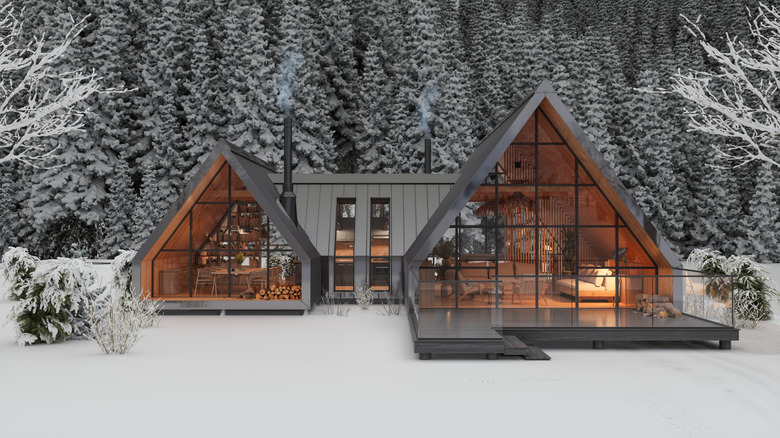
Many buyers might go into the project of acquiring a vacation property by assuming they'll offset the expense by renting the place out during times of the year they aren't using it themselves. This can be a valuable approach, especially in popular destinations that have high short term rental costs. The median price per night for an Airbnb listing at the end of 2025 was $314 for a single night's stay, and $213 for a seven night booking. Even two weeks per month can seriously slash the cost of ownership. However, this approach demands a far more active management role than many retirees might be comfortable taking on. Checking in on the property may not be possible for those who don't live near the home, leading to the need to hire a dedicated property manager. Cleaning and maintenance will naturally be more demanding on a home that's constantly in use rather than a property that sits idly while the owner is away, as well.
Another important feature to consider is the standard maintenance and care that goes into keeping a property in good condition. Homes in areas prone to snowfall, flooding, or natural disasters like hurricanes or fires will need additional insurance coverage, and they may require far more frequent cleanup and maintenance. All this can add to the bottom line and push the cost of secondary homeownership out of reach for a retiree simply looking to keep a place to escape on the weekends or during the colder winter months.
5. If you're talking about a timeshare, the regrets can start to pile up immediately

Timeshares sound like a great idea while you're sitting in the pitch meeting. Going on vacation to a fantastic destination can often make you want to invest in a place of your own, and numerous resort locations around the world are more than willing to sell you that dream. Whether the structure involves buying time in a single, physical home, or flexible credits that can be redeemed each year at one or more hotels or resorts, the timeshare game seems like a great bargain but can quickly become something of a nightmare. In 2022, Chris Manske, a wealth management professional told AARP that retirees start to feel the squeeze right away. There are lots of costs piled onto the initial purchase price, which can be substantial all on its own. "It's a hole you throw money in," he said. Often, maintenance fees, utility and upkeep costs, and other annual charges only grow each year, and there's a common thread that timeshare buyers must remain wary of in limited usage options or blackout periods that can make actually getting to enjoy the property fully difficult or impossible.
Some timeshare agreements make it enormously burdensome to shed the obligation, and so lots of buyers end up selling their timeshare privileges for pennies or even paying to have someone take over the responsibility. With that in mind, buying a timeshare "secondhand" might be a cost-effective way to gain access to this vacation tool at a cut-rate price.