

How A Premium Coffee Brand Ends Up At Dollar Tree For $2

Despite the name Dollar Tree, it's been a long time since the discount retailer's prices stayed strictly around $1. Due to inflation, Dollar Tree has made multiple changes to its prices. Now, many items on its shelves come closer to $3, $4, or $5, if not higher. Of course, few shoppers walk into these stores expecting high-end, name-brand products, which makes the fact that you can find Harry & David Vanilla Crème Brulée coffee for just $2 on the Dollar Tree website all the more surprising.
Harry & David is a well-known seller of gourmet foods, beverages, and gift baskets, and its prices tend to support that reputation. For instance, the same coffee retails on Harry & David's website for $14.99 for a 12-ounce bag. Sure, Dollar Tree only sells the product in 4-ounce containers, but that price still comes out to roughly 75 cents less per ounce than Harry & David's pricing.
This difference begs the question: How does Dollar Tree manage to sell name-brand products for such budget-friendly prices? Much of it boils down to the company's sourcing strategy, including tricks like buying specific items in a timely fashion and customising products to suit the company's needs. In its filings, Dollar Tree explains that it employs partnerships with brands and manufacturers to create packaging of unique sizes that allows the discount retailer to sell otherwise premium products in smaller-than-usual quantities at accessible price points.
The hidden reason behind Dollar Tree's low prices
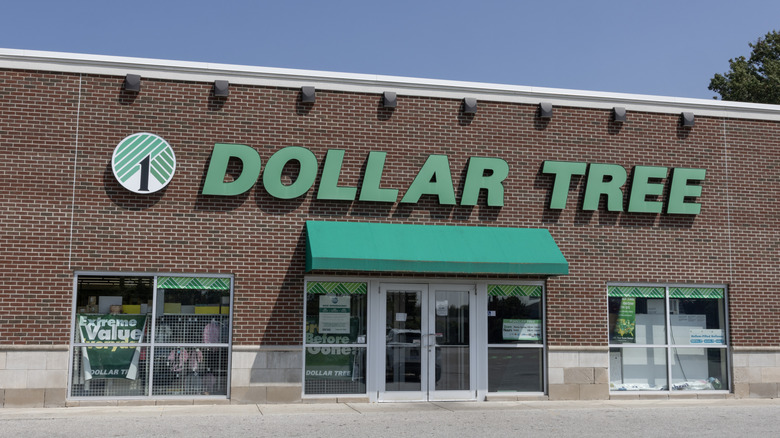
Dollar Tree may offer deals that rival even Amazon's pricing, but that doesn't mean everything the store buys is cheaply made. In the company's annual filings, it describes opportunistic buying as one of the ways it keeps prices low. Roughly 10% of Dollar Tree's inventory is seasonal, promotional, and closeout merchandise, which former Dollar Tree CEO Michael Witynski told the Wall Street Journal often gets purchased around six months before it's stocked. This careful planning gives the store plenty of time to negotiate prices with vendor partners to better manage what consumers ultimately pay.
Dollar Tree also imports around 40% of its goods from overseas, with a majority coming from China. While many of the things Americans buy from China may be affected by tariffs, the flexible buying structure meant that the company could respond with supply negotiations, or even find ways to source products from different places to keep its upfront costs low and ensure retail prices stay moderate.
Additionally, Dollar Tree also offers bulk purchasing online: By allowing customers to buy items in large quantities, the company can move more inventory while keeping the price per unit low. Finally, the layout of the stores also helps keep overhead costs to a minimum: Dollar Trees tend to have a smaller footprint than other big-name retailers, which can mean lower real-estate expenses. These compact designs also make it easier for customers to see more of the inventory, which could in turn lead shoppers to make more purchases on the fly.