

US Cities With Some Of The Highest Utility Costs

As housing costs continue to price out many people from possibly ever owning a home, other day-to-day expenses are also shooting up in price. Depending on where you live in the country, utilities can be an especially concerning expense. According to Move.org's analysis of data from the Energy Information Administration (EIA), the Environmental Protection Agency (EPA), Reviews.org, and HighSpeedInternet.com, Americans pay $611 per month on average to cover utility expenses — an increase from 2024's average of $583.
Move.org's overall estimate factors in the cost of internet, television streaming, and phone services. Removed, Americans pay nearly $401 each month to cover electricity, trash removal, gas, water, and sewer payments. These are typically considered the most essential utility services, as they contribute most directly to household functions and necessities. However, perceptions about which utilities are non-essential could be changing. Data from a Pew Research survey found that at least 90% of respondents use the internet and own a smartphone. Given that, as of 2024, the Bureau of Labor Statistics (BLS) reports more than 35.5 million Americans work remotely, it's clear that communication utilities are essential to the day-to-day lives of many people.
Taken together, these utilities power our homes, keep us connected, and help us earn a living. Depending on the region, some utilities are essential for living safely in extremely hot or cold weather. As such, high utility bills can be a headache, and some Americans find themselves paying eye-wateringly high rates for their services. Below are U.S. cities with some of the highest utility costs in the entire country.
Milwaukee, Wisconsin
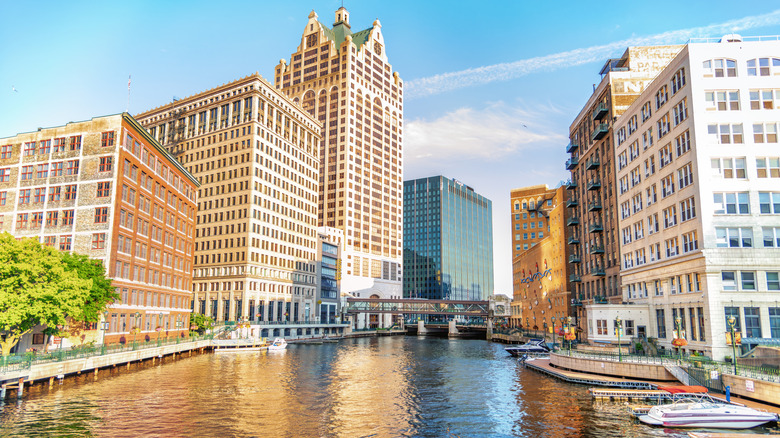
Few U.S. residents can say they pay more for their monthly utility bills than people in New York City. Yet, this was the reality of those living in Milwaukee, Wisconsin, in both 2022 and 2023. A utilities study by Doxo found Milwaukeeans paid $538 monthly in 2023, and there seems to be no relief in sight for city residents: A Sierra Club press release later reported that Milwaukeeans endured repeated utilities price hikes in the years since the Doxo study.
Sierra Club also revealed that Black and Latino communities within the city deal with a disproportionately high energy burden. An energy burden refers to the amount of household income that goes toward covering energy costs, with any portion exceeding 6% considered high. Studies reportedly drew a direct correlation between disenfranchised Black and Latino communities in the Milwaukee area and an excessive energy burden.
Ultimately, residents across Milwaukee are forced to cope with higher utility costs for a few specific reasons. First, there is the controversial decision to build a number of data centers in the area, which each demand a great deal of energy and resources to function. Meanwhile, the city's ongoing efforts to update and maintain an aging power grid could also weigh on the price consumers pay for utilities.
New York City, New York
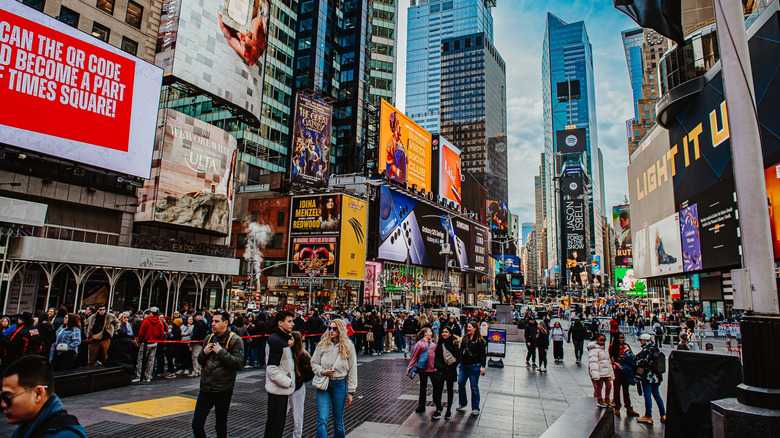
The fact that New York City residents have some of the highest utility costs in the U.S. isn't too surprising. After all, locals here already contend with apartment prices that reportedly average between $3,000 and $4,000 per month. Against the backdrop of some of the highest living costs in the world, one would expect utility payments to be quite expensive as well. Overall, New York City utilities cost 16.3% more than the national average, according to Apartments.com.
According to estimates by Latest Cost, residents pay between $90 and $140 per month for electricity alone, though rates tend to fluctuate throughout the year. The same is true for natural gas, which costs between $30 and $90 per month. Water and sewage bills range from $40 to $70, while trash collection is among the most affordable utility bills for New Yorkers, peaking at around $20 per month. Interestingly, cable and internet payments are among the most expensive utilities, with New York City residents potentially paying up to $120 each month.
While there are ways to live in New York on a lower income, the amount you pay for utilities would depend on factors like the area you live in and the size of your home. For instance, if you live in a studio apartment, your average utility costs may be as low as $170 per month, well below the citywide average. Just the same, if you moved into a single-family home, your total monthly utility payments could exceed $600.
Kauai, Hawaii

Hawaii is one of the most unaffordable states in the country, so it isn't too surprising that this region accounts for some of the nation's highest utility costs. In fact, Kauai Now News reported in March 2025 that Hawaiians pay over 60% more for energy than the average American. It's tempting to assume that the most outrageous expenses in this regard are incurred in high-traffic, popular beach areas, but those in some of the more remote areas of Hawaii wind up facing extremely high utility costs as well. The populations in these areas, such as the island of Kauai, are generally smaller. So, the areas tend not to have the same infrastructure as the more populous corners of the state, or have at least been well behind much of the rest of the country's utility-related technology.
The water costs in Kauai are of particular concern to locals, though it's practically unavoidable. According to Spectrum News, the Kauai region experienced the most severe drought it's seen in over a century in 2024 and 2025. If it's not corrected by significant rainfall, experts predict these conditions could result in water getting especially scarce on the island while simultaneously threatening the area's agriculture. As such, it's not surprising that water costs would increase significantly. Local legislators even passed a bill to approve a notable increase in sewer costs.
Charles Town, West Virginia
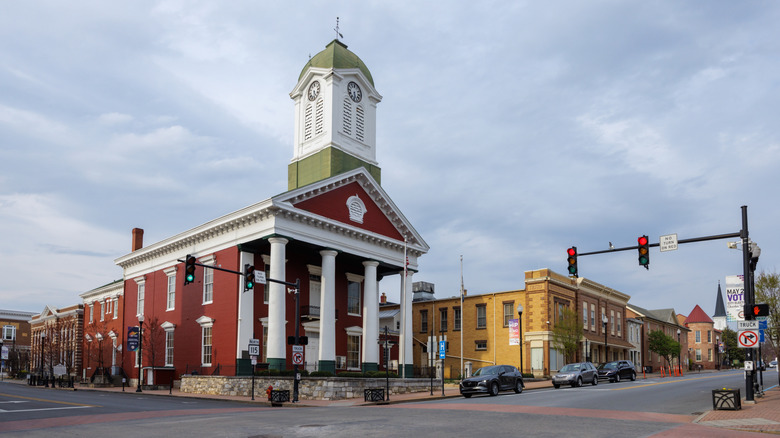
Overall, the state of West Virginia reportedly has the highest utility costs out of the entire country: Move.org reports its citizens pay an average of $734 per month as of 2025. Seeing as Conservation West Virginia found that citizens across the state saw their electricity bills increase by 90% from 2005 to 2020, this isn't a particular surprise. However, those living in Charles Town, West Virginia, might be in the worst of a bad situation in this regard. The city often ranks among the most expensive places to live in West Virginia, with AreaVibes reporting residents pay 10% more for utilities than the national average based on the Council of Community and Economic Research's (C2ER) data. Between electricity and phone bills alone, the people of Charles Town reportedly pay an average of almost $420 per month.
Charles Town and much of West Virginia experience such high utility bills due to a few key elements: First is that, like other areas on this list, the region has seen a rise in data centers that are driving a massive drain on its aging power grid. The state's persistently heavy reliance on coal for electricity is also proving so expensive for residents that some compare it to the cost of rent. Bizarrely, by various other metrics, some might see West Virginia as one of the cheaper places to live in the U.S., but Charles Town and much of the rest of the state's utility costs may push it out of the range of affordability for many potential inhabitants.
Providence, Rhode Island
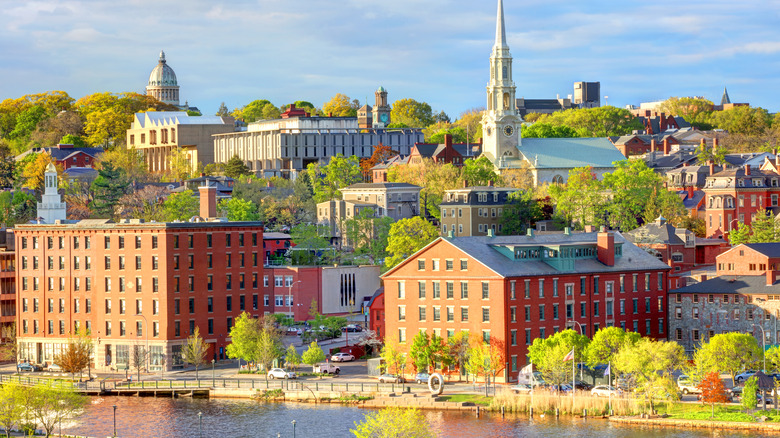
Providence, Rhode Island, is another U.S. city where the cost of utilities is much higher than in much of the country. According to EnergySage, some estimate that those in Providence spend about $237 each month on electricity alone. Apartments.com's analysis of data from the C2ER's Cost of Living Index also finds that utility services cost $497 monthly, which works out to roughly 31.8% higher than the national average.
As for why residents in Providence have such high utility costs, there are multiple likely explanations: In January 2026, The Providence Journal reported that unseasonably low temperatures in December 2025 called for residents to heat their homes 15% more frequently than the previous December, contributing to higher energy usage. Meanwhile, Providence water bills are also going up, with some locals forced to install a second meter to hopefully help curb related costs. Such moves were deemed necessary after some area residents reportedly determined their utility charges were allegedly based on estimates rather than exact meter readings.
In response to how hard it is for locals to cover the cost of utilities, Rhode Island officials put together a relief package to assist locals in covering bills from January through March of 2026. However, that initiative will only provide a temporary solution to a citywide problem.
Atlanta, Georgia
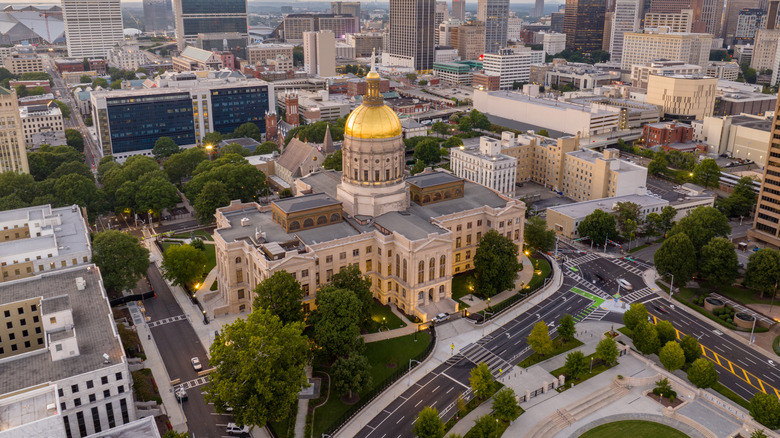
If you live in Atlanta, Georgia, you should expect to pay about $385 per month in utility payments, according to Apartments.com — an amount that's not too far above the national average. However, locals are deeply concerned about rising energy costs, which can fluctuate significantly during parts of the year due to the need to keep as cool as possible during hot summer months. Atlanta's temperature reached 100 degrees Fahrenheit in the hottest months of 2025, while the Atlanta Regional Commission reports that temperatures above 94 degrees can be enough to cause physical complications to the human body. Extreme conditions like these will ultimately force Atlanta natives to crank up their air conditioners, which in turn will significantly impact energy costs.
Atlanta residents are also coping with energy cost increases tied to powering data centers, as well as ongoing efforts to update infrastructure across the state to ensure it can handle consumer demands. Some Georgia Power customers were already hit with a price hike of $43 between 2023 and 2025, according to the Southern Environmental Law Center. And while initiatives like Clean Energy Atlanta's WeatheRISE ATL program and a recent mandate that Atlanta residents paint their roofs white to bring down their energy bills are already in place to reduce the energy burden for those disproportionately affected by these rising prices, there's still a lot this city needs to overcome to keep its inhabitants' utility expenses manageable.
Virginia Beach, Virginia
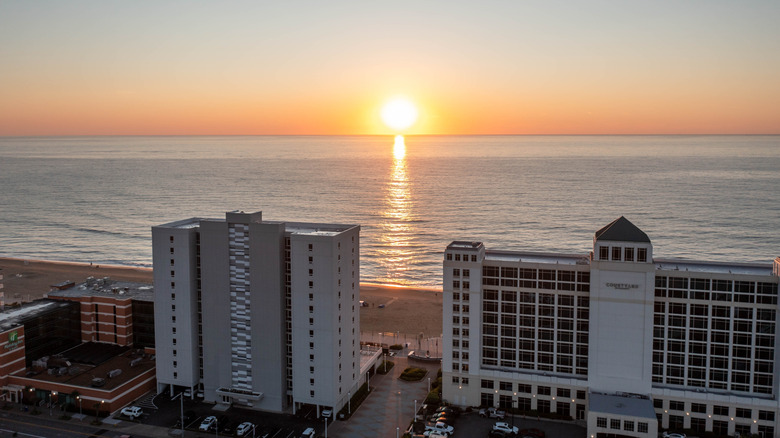
As of 2025 and early 2026, utility prices in Virginia Beach, Virginia, have been in a state of flux. Locals have noted on Reddit that their December 2025 bills have more than doubled compared to previous months. Months earlier, experts also warned the Committee for a Constructive Tomorrow (CFACT) that electric bills in the area could also surge by around 50% by 2027.
Even without the ongoing price fluctuations, RCB Homes estimates Virginia Beach utilities are 11.3% higher than the national average, costing around $387 per month. However, the sudden jump in utility costs over the past year has sparked massive unrest among area residents, and things are so bad that local Democrats campaigned on the issue of constituent dissatisfaction during the 2025 election season.
Regarding why utility costs are so high for Virginia Beach residents, some point to new fees. Meanwhile, others mention the Virginia Clean Economy Act (VCEA), the implementation of which requires a massive infrastructure overhaul that residents will likely wind up paying for through increased prices. While other aspects of life in the city are fairly affordable by comparison, these climbing costs will likely pour into other forces informing Virginia Beach's cost of living and add to the list of reasons retirees regret moving to Virginia.
Boston, Massachusetts
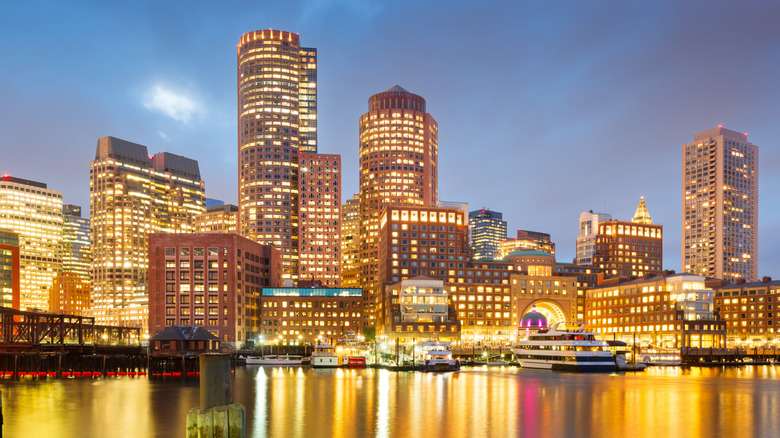
EnergySage reports people in Boston, Massachusetts, pay $298 per month for electricity alone — 21% more than the national average. One major factor informing these prices is that Massachusetts actually imports much of its electricity supply and natural gas from other countries and states, which sometimes leads to unexpected price fluctuations in energy bills. It doesn't help that President Donald Trump has imposed tariffs on some of these imports, which Massachusetts Governor Maura Healey warned could increase statewide electricity costs by $200 million in a statement on the Massachusetts Government's official website.
Massachuetts already has the highest cost of living for single people of any state, and Boston locals are feeling the consequences of such a sharp increase in utility payments. Lower-income Boston households are hit hardest by high utility costs, especially during the winter months. Due to freezing weather and lots of snow, it is essential to be able to effectively heat one's home. Thus, energy bill spikes are currently unavoidable.
There may be good news for Boston residents eventually, as plans are underway to reduce climate-damaging emissions to net zero by the year 2050. Further efforts are being made with the hope that Boston will one day be completely powered by renewable energy, which in turn will drastically reduce energy costs for Bostonians. Time will tell whether the intended changes will lead to reduced costs. For now, lower-income residents are coping with an excessive energy burden that negatively impacts their ability to pay bills and enjoy a stable quality of life.
Aniak, Alaska

In May 2023, the residents of Aniak, Alaska, found themselves living a nightmare when, in the span of a month, their power bills quadrupled. Speaking with Anchorage Daily News, one resident reported her bill increased from $382 to $1,100. The change was so extreme that, despite having a population of just a few hundred people, Aniak found itself home to some of the highest electricity prices on the planet. These exorbitant bills came about after Aniak Light & Power Company — the area's power provider — had new pricing approved by the Regulatory Commission of Alaska.
The shift in costs was so extreme that the locals asked for state regulators to step in, insisting that the prices demanded of them were too unreasonable to meet. Alaskan politicians have engaged with Aniak locals to address their complaints and financial struggles, but the necessary changes could take immense time and resources to implement. Speaking with KYUK, Alaska Representative Nick Begich III expressed that part of the issue informing these costs is that Aniak is powered by a diesel-powered micro grid. As Begich noted, "Micro grids running purely on diesel are not the most cost efficient structure. So in other parts of the state, you have wind and solar augmenting with some now battery systems that come in, that's good, and it demonstrably lowers the cost when you don't have to bring the fuel in." Of course, such a drastic change could likely come with its own costs.
Los Angeles, California
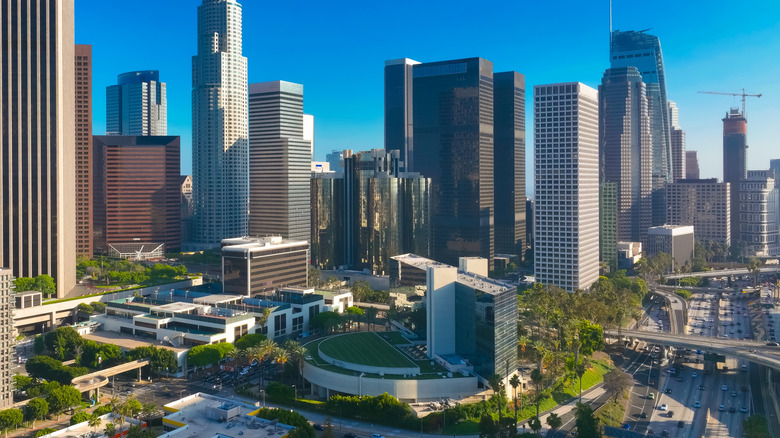
Los Angeles, California, is already one of the most expensive cities to buy a house in the U.S., and it has utility prices to match. A 2023 Doxo study ranked the city third for most expensive utilities in the country, with residents paying an average of $455 per month. This aligns with data released by the BLS a year later, which revealed that L.A. households paid 62.5% more for electricity than the nationwide average. In numerous cases, area residents find their utility bills have become extremely costly. Los Angeles Department of Water and Power (LADWP) customers, for example, experienced a severe spike in power and water bills heading into late 2025. According to NBC Los Angeles, one area homeowner saw his LADWP bill jump from $926 to $1,500 within the span of two months.
One reason that utilities in this city cost so much is the level of demand. Over 3.8 million people call Los Angeles home. That many residents powering homes and businesses requires a strong infrastructure to meet their needs, especially during summer months. An LADWP representative explained to NBC that weather is a major factor in pricing, as is the amount of electricity heat-related appliances like air conditioners can use up. Meanwhile, the costs of water, sewage, and trash removal in the city have also increased in recent years.