

When A Retiree Reaches This Age, It's Time To Switch To A 'Moderate' Retirement Portfolio

We hear a lot about growth and conservative portfolios and what age to switch to one, but what is not talked about enough are moderate portfolios and their significance. Moderate portfolios may not sound as exciting as an aggressive or high-risk portfolio, which depending on funds and allocation, may net returns at or above the historical average market return of 10%. It may not even sound as useful as a conservative portfolio, which safeguards money during retirement. However, a moderate portfolio still has its place in personal finance and switching to one between the ages of 60 to 69 can be a good idea for retirees, according to Charles Schwab.
A retiree's 60s are one of the most important periods in their financial life, as during this time period they are likely to leave the workforce. According to a 2024 study by the Center for Retirement Research at Boston College, the average man retires at 65 and the average woman at 63. By transitioning to a moderate portfolio at this age, retirees begin to adjust their asset allocations to ones that generate income in a gradual process and to hedge against volatility. By waiting until their 60s and taking a gradual approach to converting to lower-risk assets, they also let their portfolios continue to grow, reducing the likelihood of running out of money during retirement, which is becoming more common.
What a typical moderate portfolio looks like
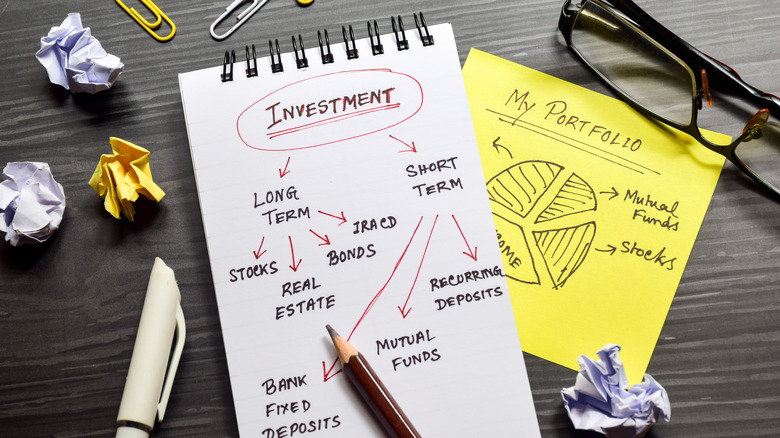
Just as you have to balance between work and leisure in one's 60s, your retirement account should also reflect an ideal balance. At this age, individuals nearing retirement need to accelerate their shift in income generating assets in a strategic way, but they also need to be wary of not slowing their portfolio growth too much. To find the right balance, Charles Schwab recommends retirees aged between 60 and 69 have a portfolio that is 60% stocks, 35% bonds, and 5% cash. While some strategies may call for fewer stocks, it is still important to keep a healthy mix, in fact abandoning stocks during retirement can be costly and result in a faster drawdown of assets.
More than just finding the right asset balance, retirees switching to a moderate portfolio should also take a strategic approach during this time. For example, in the process of selling stocks and upping their bond allocation, retirees should consider setting up a bond ladder. In this investment strategy, retirees purchase multiple bonds with staggered maturity dates to provide a steady cash flow later on. Additionally for the 5% cash allocation, retirees should keep those in highly accessible accounts like a savings account, certificate of deposit, or money market fund. While 5% is ideal for 60- to 69-year-olds, the amount should be enough to cover a year's worth of income, and should be seen as a cushion for market downturns.