

The US State With The Highest Rate Of Underwater Mortgages
Following the 2008 housing crisis, which caused home prices to plummet across much of the country, many homeowners found themselves owing more on their mortgage than their home was worth. This is known as an underwater mortgage, and they became so common in the years that followed that they affected almost 25% of U.S. homes at one point. These days, the share of underwater mortgages is far lower — less than 2%, according to a November 2025 mortgage report published by Intercontinental Exchange (ICE). However, certain areas of the country are faring worse than others. Louisiana homeowners, in particular, have had a tough time recently, with the state posting the highest rate of underwater mortgages in the country.
As of Q3 2025, 11.2% of Louisiana mortgages were considered "seriously underwater," meaning the mortgage balance was at least 25% higher than the value of the home. That's an increase from 10.1% a year earlier, according to a report from real estate data and analytics firm ATTOM. The state was also home to 14 out of the 50 counties with the highest seriously underwater rates, with Calcasieu Parish topping the list at 17.1% of homes with mortgages. According to Hannah Jones, senior economic research analyst with Realtor.com, there are various factors behind the state's high rate. "Softening home prices, easing buyer demand, and lower incomes all contribute to a higher concentration of underwater mortgages in the South compared to other regions," she observed. Louisiana is already considered one of the worst states for retirement, but statistics like these could turn more potential residents off than ever.
Underwater mortgages' impact on communities and homeowners
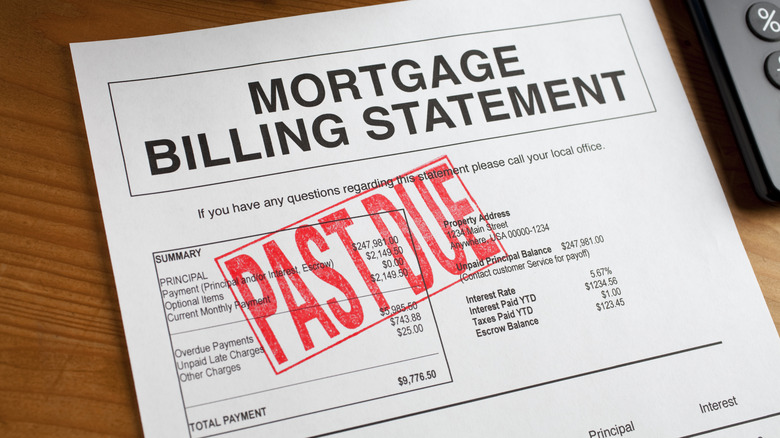
The frequency of underwater mortgages in Louisiana can have broader implications. "A high share of underwater mortgages raises concerns around reduced mobility, elevated risk of delinquency or default, and deferred maintenance," Jones said, adding, "These pressures can cause local housing markets to stagnate, as households are unable to move or invest in their properties, further weighing on neighborhood conditions and property values."
In addition, she said, "As prices and demand weaken, homeowners have a harder time selling and may find themselves struggling to keep up with mortgage payments." The state is already experiencing the highest rate of non-current loans, at 7.9%, which includes foreclosures and delinquencies, according to another ICE report. Mississippi was next in line with a non-current rate of 7.8%, followed by Alabama at 5.8%.
For Louisiana homeowners who plan to remain in their homes, having an underwater mortgage may not be an issue. However, for those who need to sell, it can be a big problem. For example, if a home is listed for $275,000 — roughly the median list price in Louisiana as of October 2025 according to Realtor.com — and the mortgage is worth the same amount, the homeowner will still need to find a way to address the difference if the property sells for less. For those who are already house poor, that can wreak havoc on their finances.
Underwater mortgages can lead to short sales and foreclosures
Louisianans with underwater mortgages do have options if they need to sell their homes. If their mortgage is backed by Freddie Mac or Fannie Mae, they may be able to refinance the home through the agencies' refinancing programs specifically designed for homeowners who don't have enough equity in their homes to qualify for traditional refinancing options. Those who don't qualify could consider a short sale, in which the lender agrees to sell for less than what's owed. A Zillow search for short sales in Louisiana currently lists more than 50 homes as of January 2026, suggesting this is a viable option for some homeowners in the area. There are some downsides to a short sale, though: Going this route can damage your credit score, and it takes much of the decision-making power out of your hands as the lender will need to sign off on any offers before you can proceed with the final sale.
The last resort is for homeowners to stop paying the mortgage, which would ultimately lead to the home going into foreclosure. As of November 2025, Louisiana had the 16th highest foreclosure rate, with one out of every 3,885 households being foreclosed, according to ATTOM. That certainly paints a difficult financial picture for many Louisiana residents. And if the housing market wasn't bad enough, the state is also experiencing one of the highest credit card delinquency rates in the country.