

10 Things Gen Z Always Refuses To Buy

When it comes to the spending power of Generation Z, the group of people roughly aged 13 to 28 and born roughly between 1997 and 2012, there are some decided differences in what they will and won't spend their hard-earned money on compared to other generations. And because of a powerful wealth shift and expanded spending predicted in the next decade, the consumption patterns of Generation Z will likely have a significant influence on the global economy in coming years. By 2030, U.S. banking data suggests they will have likely gathered $36 trillion globally in income, according to Bank of America Global Research published in March 2025.
Plus, spending growth on needs and wants among members of Gen Z has increased more quickly than the population as a whole, per Bank of America. While their balances in checking and savings accounts can serve as a buffer, the financial data also shows that Gen Z spending has been almost twice as much as they keep in savings accounts, which could be attributed to inflation and the higher cost of almost everything – including sky-high food prices – in a post pandemic economy. The bank data also suggests Gen Z is likely looking at a challenging job market, with the number of Generation Z households getting unemployment growing more than 30% from February 2024 to the same time in 2025. With those factors at play, it's understandable that there are certain items members of Gen Z refuse to buy.
New cars, trucks, and SUVS
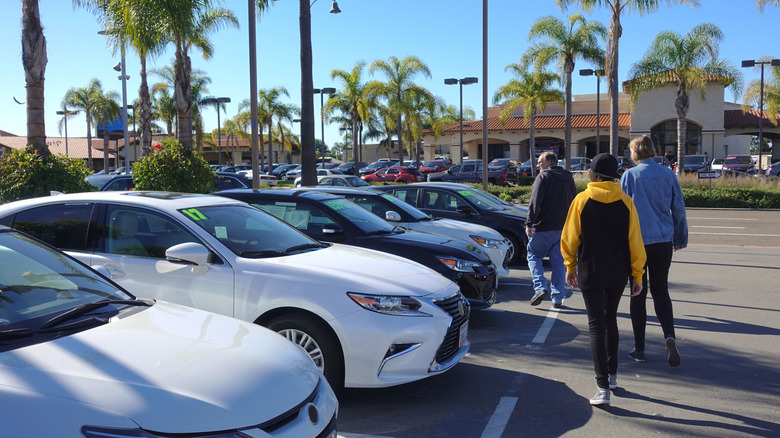
With sticker prices and monthly payments for new cars, trucks, and sports utility vehicles (SUVs) skyrocketing, many members of Gen Z simply can't (or choose not to) shell out their hard-earned money for new vehicles, and instead are looking at previously owned vehicles with more affordable prices, according to car buying data from the last five years. Reports from S&P Global Mobility, via Wards Auto, shows that the share of new-vehicle registrations among adults ages 18 to 34, much of the Gen Z group, fell from 12% in the first quarter of 2021 to 9.9% during the first half of 2025. Interestingly, during the same period, buyers aged 55 and older increased their share of new registrations from 44.8% to 48.6%, notes Wards Auto, which demonstrates that older consumers continue to buy more new cars at the same time that younger buyers pull back.
Another likely reason the percentage of members of Gen Z buying new vehicles has dropped below 10% is that overall fewer young people are driving, research shows. According to Auto Hiker, more younger Americans are disengaged from driving, which marks a notable shift from the car-centered image often associated with U.S. teens. Data shows that younger generations are less likely to have driver's licenses, own vehicles, or drive as many miles as their parents and grandparents, continuing a decline in teen driving first noted in the 1990s, per Auto Hiker. Why the shift? Safety concerns seem to be a factor. Motor vehicle crashes are the leading cause of death in the U.S. for those ages 1 to 54, with fatal crashes rising more than 16% from 2018 to 2022, according to research data.
Boxed breakfast cereals

For teens and 20-somethings, big boxes of dry cereal — and the fun prizes often hiding inside — don't seem to hold the same appeal they did for previous generations. Members of Generation Z, along with other age groups, are increasingly shunning boxed cereal, citing concerns about high sugar content, processed ingredients, and limited nutritional value compared with other protein-rich or fresh breakfast options such as eggs, according to the New York Post. Some industry analysts say the shift away from cold cereal reflects broader changes in how younger adults eat breakfast — or skip it altogether — contributing to declining cereal sales.
Cereal sales in the U.S. fell more than 13% from nearly 2.5 billion boxes in 2021 to 2.1 billion in the same period in 2025, per data from Nielsen IQ, reported by Food Manufacturing. For more than three decades, other grab-and-go options including cereal bars and granola bars have taken a bite out of the dry cereal market. Today, options such as protein shakes, smoothies, and even yogurt are also cutting into the breakfast space, notes the New York Post.
Fabric softeners
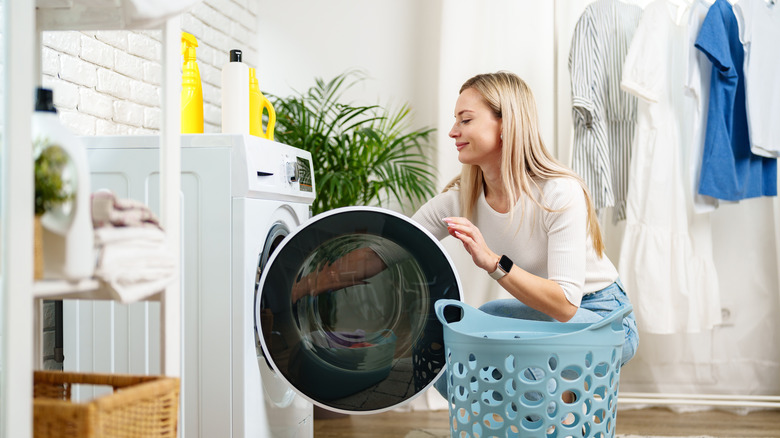
For many Americans born before 1980, the scent of fresh laundry often was tied to the kind of mass-marketed fabric softener your parents used in their top-load washing machines. As with so many other things, laundry habits are changing among members of younger generations, including Gen Z, who seem to be subscribing to the school of "less is more" when it comes to not-found-in-nature ingredients and often flowery-smelling softeners poured into their loads of laundry. News and sales reports from as far back as 2016 first blamed Millennials, the group born just before Generation Z, for the drop in fabric softener sales. That decline has continued, leading to less fabric softener being purchased overall in the U.S.
While not all Americans have turned their backs on the item, fabric softener sales fell by some $200 million between 2007 and 2015, declining from more than $800 million to about $598 million, according to the Wall Street Journal, as younger buyers moved away from the product. The newspaper reported that young adults tend to favor fewer laundry additives and scent- and dye-free options have been a driver behind the long-term drop in sales. SheBudgets notes that Gen Z's laundry habits tend to be greener and perhaps even cleaner when it comes to chemical additives, and they are also seeking out more natural detergents. Instead of sweet-smelling liquid softeners, younger generations are looking to a few natural alternatives, notes The Spruce, including products such as wool laundry balls used in the dryer and all-purpose vinegar tossed into laundry in the wash or rinse cycle.
Most name brands, preferring dupes instead

With an expected 23% drop in 2025 winter holiday shopping sales predicted for members of Gen Z, according to research from PwC, there are likely some products that simply aren't making the list this season. While Gen Z is still shopping and buying gifts, they aren't as loyal to high-end legacy and luxury brands that charge sky-high prices for everything from lipstick to leather handbags, according to the research from PwC. In fact, Gen Z shoppers are less loyal to brands than previous generations, choosing products based on relevance rather than recognition.
Recent research shows that a significant number of Gen Zers are looking to what's known as "dupes" — short for duplicates — which are often name-brand knock-offs that sell for much less than their higher-priced counterparts. Some 71% of Gen Z and 67% of Millennials reported that they sometimes or always buy dupes, according to a study published in the NYU Journal of Intellectual Property and Entertainment Law in May 2025. Dupes are particularly popular with Generation Z, according to Business Insider, which frequently shares lower-cost alternatives to premium products on social media. A 2023 survey by Business Insider and YouGov found that 70% of Gen Z respondents said they sometimes or always buy less expensive knockoffs of brand-name items.
Cable and satellite TV subscriptions

It's probably no surprise that millions of younger Americans, including Gen Z adults, are cutting the cable cord, or never plugging it in to begin with. Compared to U.S. adults who use streaming services for TV viewing, far fewer Americans — 36% — say they subscribe to cable or satellite TV at home, per Pew Research Center, and the poll found that people aged 65 and older are most likely to report subscribing to cable or satellite, with 64% of survey respondents reporting such subscriptions. When it comes to Gen Z, though, including those ages 18 to 29, only 16% report paying for a cable or satellite TV subscription, the Pew research shows. Instead, notes Pew, 88% of Generation Z adults say they use streaming services such as Netflix, Hulu, and Disney+, and are heavy on Hulu.
At first blush, it may seem like Gen Z is opting for streaming services because of the lower price point, with Netflix coming in at $19.99 a month and Disney+ and Hulu bundles starting at $12.99 a month. But in this instance, it doesn't seem to be the higher price tag associated with cable that keeps younger generations turning to streaming and on-demand services. In 2025, the average cost of basic cable TV was about $108 per month, according to Cord Cutters News. Another recent survey conducted by The Harris Poll (on behalf of Tubi) among 2,502 adults ages 18 and older who stream video at least one hour per week in the U.S. shows that Generation Z often streams content while working from home, and viewers spend an average of about $129 per month on streaming services, according to AdWeek.
Alcohol, including wine and beer

With alcohol sales generally on the decline, a specific age group is being pointed out as leading the charge away from mixed drinks, wine, beer and even spiked seltzers. According to a recent trends analysis from Attest, nearly one-third of the adults surveyed between the ages of 21 and 27 reported drinking rarely or not at all. The study of 1,000 members of Gen Z offered a few reasons for the behavior, according to Attest, with health concerns coming in near the top of the list. When asked why they didn't drink or drank rarely, 34% of respondents cited mental health and a whopping 46% reported they just weren't that into consuming alcohol.
Another issue with spending on alcohol is that many young adults don't have as much disposable income as their older cohorts. A trend report from Rabobank found that while Gen Z's lower earnings and smaller presence within the legal drinking-age population account for some of the decline in alcohol spending, younger consumers are allocating far less of their income to alcohol than prior generations did at the same age. A decade ago, according to the bank analysis, households led by someone younger than 30 spent about 1.1% of their income on alcohol. Today, that figure has fallen to some 0.74%, while spending among households led by those older than 30 has remained largely unchanged. The data shows Gen Z is spending about one-third less on alcohol than Millennials did a decade ago.
Cigarettes

Sometimes not wanting to live like your parents can be a very good thing. Especially when it comes to habits that can cause cancer and a variety of other negative health impacts. Cigarette smoking rates among U.S. young adults (typically those aged 18 – 29) have dropped sharply during the past two decades, from about 35% in the early 2000s to roughly 12% in recent years, according to a Gallup report, which indicates a sharp drop in smoking habits among members of Gen Z compared to earlier generations at the same age.
And with the decline of younger generations smoking traditional cigarettes comes lower sales of those products. According to the Centers for Disease Control and Prevention (CDC), annual U.S. cigarette sales declined by about 27% from 2015 to 2021 (from 12.5 billion packs to 9.1 billion). This reflects reduced consumption of traditional cigarettes, of course, especially as younger smokers increasingly abstain. Unfortunately, while cigarettes have fallen in popularity among young adults, other forms of nicotine have been on the rise. CDC data shows that U.S. sales of nicotine lozenges, pouches, and pucks more than doubled between 2020 and 2022 — from $452.76 million to $1.06 billion.
Traditionally mined diamonds

While diamonds may be forever, many people these days would be hard-pressed to tell the difference between the newest lab-created diamonds and those that were dug up from the earth. With prices for naturally mined diamonds out of reach for many Gen Z young adults, lab-grown diamonds and look-a-likes accounted for about 45% of U.S. engagement ring purchases in 2024, according to market trend analysis from BriteCo. The report shows that younger buyers are driving sales of the less expensive gems, with two-thirds of Gen Z engagement ring purchasers now choosing lab-grown diamonds.
As in, if you can get more bling for your buck with shimmering stones not found in nature, then go for it. The BriteCo data also reports that many younger buyers are using the savings from lower lab-grown diamond prices to trade up to bigger stones. The average lab-grown engagement ring center diamond increased from 1.31 to 2.45 carats from 2019 to 2025, notes BriteCo, and included higher-quality diamonds.
Bar soap

Despite its goal to get you squeaky clean and mostly germ free, bar soap is losing its appeal among younger generations who would rather squeeze a liquid cleanser from a sleek tube or pump some foam onto their palms to wash away the day's dirt and grime. According to a recent poll by Civic Science, some 70% of Gen Z adults say they prefer body wash to a bar of soap. Interestingly, more than 60% of those age 65 and older would rather use the solid soap, thank you very much.
The bar soap slump has been coming for a while. Walk through any grocery store personal hygiene section and you will be met with row upon row of liquid body washes from dozens of brands and companies. A report from CNN showed that bar soap usage dropped from 89% of U.S. households in 2010 to 84% in 2015, even as overall bath and shower products grew. Plus, younger buyers, think the 18 to 24 crowd, are more likely to avoid bar soap with some 60% of the age group saying that bar soaps are covered in germs after use, after all, which is a much higher percentage than older buyers.
Print magazines and newspapers

It's certainly no secret that print newspapers and magazines continue to lose readers as younger audiences, including Gen Z, now tend to favor digital formats, according to research from Statista Market Insights. Global print readership was projected to fall from 2.1 billion in 2017 to 1.4 billion by 2025, while digital readership is expected to grow from 900 million in 2017 to more than 1.4 billion by the end of 2025. Statista analysts attribute the shift, in part, to widespread smartphone use. In the United States, notes Statista, magazine advertising revenue continues to decline, falling from $10 billion in 2017 to a projected $4.3 billion at the end of 2025, with even further declines expected by 2030. On the bright side, digital magazine ad revenue is forecast to grow over the same period, according to the research. The loss of print advertising has contributed to widespread publication closures and job losses, particularly in rural communities, with newspapers shedding at least 77% of their workforce during the past two decades, according to Bureau of Labor Statistics data.
Research from the American Press Institute (API) shows that 79% of Gen Z and Millennials say they get news daily, while 96% report consuming news at least weekly — just not from print editions for the most part. These generations rely on a broad mix of sources for their news, including national and local newspapers, TV news, and their websites or apps, plus social media platforms including TikTok, YouTube, Instagram, Facebook, X, Reddit, LinkedIn, Twitch, and Nextdoor. On average, those who responded to the API survey say they get news from about six traditional outlets or social platforms each week.