

The Reason This Pittsburgh Mom Is Being Ordered To Pay $63k To Social Security
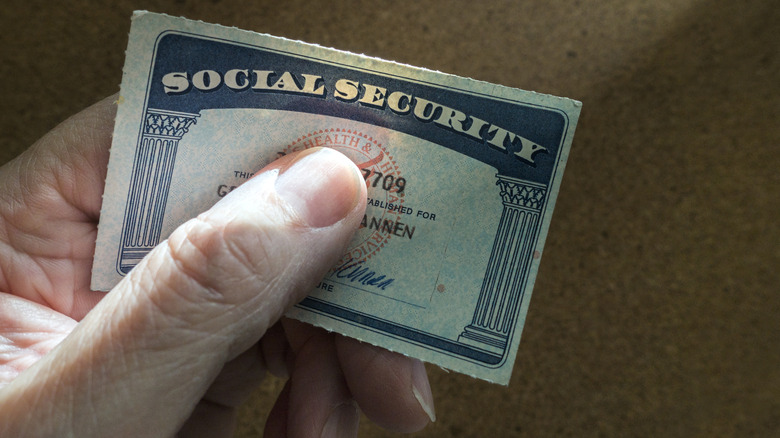
When you're of working age, you might feel frustrated about figuring out which benefits you should take. Dealing with confusion over how much employers actually pay for your health insurance, 401(k) options, and trying to calculate paid time off (PTO) can be a nightmare. You might dream of an easier life with fewer complexities when it's finally time to retire.
Unfortunately, retiring and beginning to receive Social Security benefits is not the end of the potential confusion. The Cato Institute Social Security Survey found in August 2025 that 55% of Americans don't even understand the funding mechanism for this retirement benefit, let alone how payments work. But if the Social Security Administration (SSA) overpays you, and you don't catch it, you're going to wish you had paid attention to everything you should know about how Social Security benefits work.
A Pittsburgh woman recently found this out the hard way, and she's now not receiving any benefits while being forced to repay an overpayment she doesn't agree with. Poor health forced Ruthann Pickerd to retire from a nursing career in 2021, and she started receiving Social Security Disability Insurance (SSDI) payments. In February 2024, however, she received a notice that the payments would stop because she was not eligible. She immediately filed for a waiver, but received notice a staggering 17 months later that the waiver was denied. As an added blow, the SSA says she should not have received any SSDI payments, and she immediately owed $63,000 in overpayments.
What happens when you receive Social Security overpayments?

Regardless of whether you understand this rule, the SSA requires beneficiaries to repay any money they receive that's more than they should have. The Legal Council for Health Justice estimated in 2023 that, each year, almost 1 million people receive notice that they must pay back an SSA overpayment. Some overpayments are the fault of the recipient, who must inform the SSA when their living situation, marital status, or income changes. Other times, overpayments occur because the SSA doesn't update your beneficiary information quickly enough when you do report changes.
The SSA requests that you pay back the extra money within 30 days when it overpays you. However, because of confusion over SSA benefit calculations, individuals may not realize they're receiving too much money until the SSA notifies them, as happened to Ruthann Pickerd in Pittsburgh. By that time, the individual could owe thousands of dollars or more.
If you believe the overpayment was not your fault, you can request a waiver that would forgive the money owed. However, the waiver process is extremely complex. SSA only approves a fraction of appeals. As the Pittsburgh woman found, the waiver process can be incredibly slow, leaving you in limbo. "I've been sitting on eggshells for two years, waiting for them," she told WPXI. You can also ask for an appeal if you believe the SSA miscalculated the overpayment amount.
Recent changes in overpayment rules cause more confusion

To add to the confusion, the rules for repaying overpayments have changed as of late. When individuals receive overpayment notices and choose to pay the money back instead of requesting a waiver or appeal, they can submit the amount in full at one time or request withholding from their monthly benefits.
Starting in March 2024, the SSA's rule was that the default rate for people who chose a withholding of ongoing benefits was 10% of the monthly benefit or $10 per month, whichever was higher. However, the Social Security overpayment rule changed in late March 2025, with the SSA determining it could withhold up to 100% of the monthly benefit until the overpayment was repaid, leaving seniors who chose this option with no Social Security income each month. Within several weeks of the original decision, the SSA reversed course and decided it could withhold up to 50% of the senior's monthly benefit until the full amount of overpayment was repaid.
To add to the confusion about this process, the SSA website contains information concerning repayments from before March 2025, during the period of a few weeks when the rule initially changed, and the new rule. Social Security beneficiaries trying to figure out their options for making the overpayment whole may find old information on the SSA website, which may lead to additional errors. None of the website's information is marked as being out of date.