

The Best Beach Towns In Hawaii For A Retiree

Hawaii has long had a reputation for being an awesome place to visit due to its numerous beaches, fantastic weather, and lush landscape. And you can apparently save money visiting Hawaii at certain times of the year. But Hawaii isn't just a tourist destination. CNBC named the Pacific island chain one of the best states to live in for its low crime, clean air, and general friendliness. And it was listed as the happiest U.S. state by Wallet Hub in September 2025 due to its high life expectancy and the second-lowest rate of depression in the nation.
But is Hawaii a great place to retire? That depends on how much money you have. Hawaii is the most expensive state in the U.S. as of the third quarter of 2025, according to the Missouri Economic Research and Information Center. And while the average price of a home nationally was $360,000 as of the end of 2025, according to Zillow, the average home value in Hawaii was just shy of $820,000. As for renting, Hawaii's monthly average was $3,000 a month as of late 2025, per Zillow Rentals, which is roughly 50% higher than the national average rental rate. So, if there are warning signs you aren't financially secure to retire, moving to Hawaii may not be a great idea. Otherwise, below are some of Hawaii's best beach towns to retire in, with info on housing costs, healthcare, livability, and amenities.
Honolulu
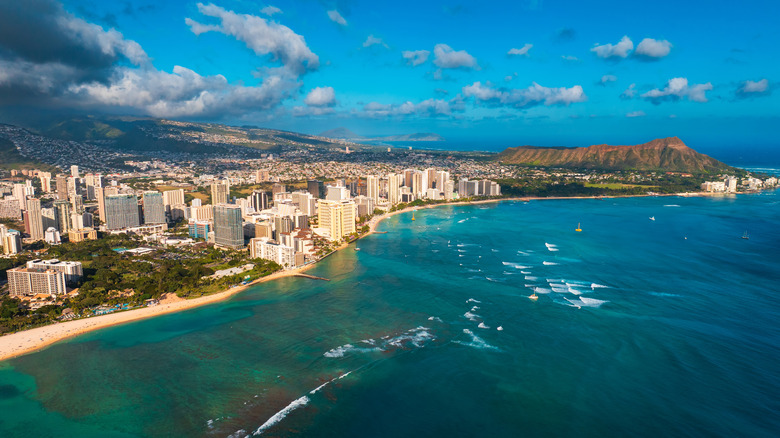
The capital of Hawaii and its largest municipality, the consolidated city-county of Honolulu, is home to about a million people, 20.4% of whom are aged 65 and over, per U.S. Census Bureau figures. This large population center comes with a public transit network that features award-winning buses and an elevated Skyline train system, multiple museums and parks, and plenty of beach walks. Honolulu has seven hospitals, which earns this state capital an A+ grade for Health and Safety from AreaVibes.com. In terms of overall livability, AreaVibes gives Honolulu an "exceptional" score of 78 out of 100, and its crime rate is 9% lower than the statewide average.
The bad news is that Honolulu is expensive. Its cost of living is 7% higher than the statewide average and 85% higher than the national average. The typical home value in Honolulu was over $750,000 in late 2025, per Zillow. Honolulu is also one of the most expensive cities to buy a house in the U.S.; the average price for a single-family home there was $1.24 million in November, per Zillow. Renting in Honolulu cost $2,850 a month in December 2025, per Zillow Rentals, which is 43% higher than the national average but $150 lower than the statewide average. Still, some parts of the city are less expensive. For example, in the waterfront Waikiki area, the typical home value was a bit over $450,000 in 2025, per Zillow.
Hilo
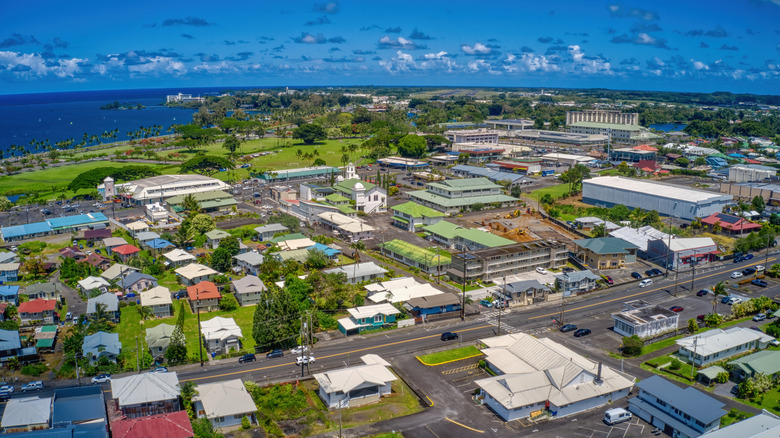
Located on the Big Island, Hilo is home to just over 44,000 people, 22.7% of whom are 65 or older, per census figures. Hilo could be a great place for a retiree to live if they prefer their beaches less crowded with tourists, enjoy exploring rainforests and waterfalls, and don't mind rain, as this area experiences more showers than the rest of Hawaii, per LivingInHawaii.com.
As a bonus, Hilo is affordable by Hawaii standards; the typical home value there was about $532,000 in late 2025, according to Zillow. In terms of rent, the average monthly rate was roughly $2,100 a month, which was a mere 7% higher than the national average and almost $900 lower than the statewide average, per Zillow Rentals. Hilo's overall cost of living is also 11% lower than the Hawaii average, according to AreaVibes.
However, Hilo has a few drawbacks apart from the rain. The settlement's crime rate is 27% higher than the statewide average, and there's only one hospital, Hilo Medical Center, serving the area. That said, there are about a dozen clinics and urgent care centers.
Kailua-Kona
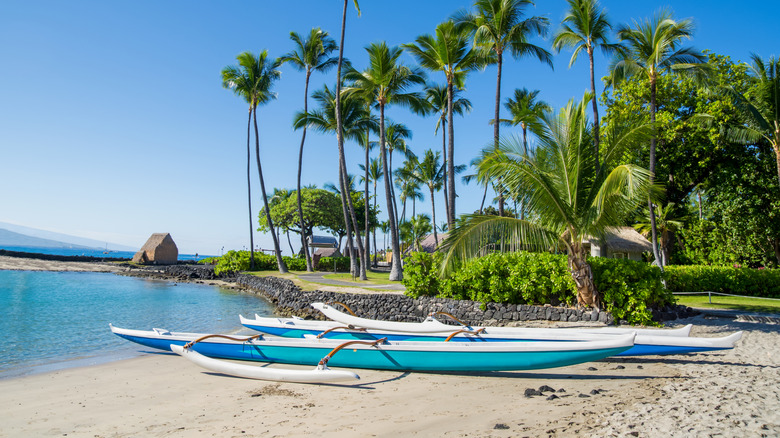
Also located on Big Island, Kailua-Kona is a sunny place of about 20,000 people, 19.3% of whom are 65 and older, per census figures. There are five sandy beaches in or near Kailua-Kona, according to Hawaiian Vacation Guide and, per GolfPass.com, eight golf courses. The Kailua-Kona area received a 75 out of 100 livability score from AreaVibes and an A+ grade for amenities for its variety of parks, entertainment, and food options.
In terms of the overall cost of living, Kailua-Kona is 14% below the Hawaii average, per AreaVibes. With an average home value of roughly $875,000 as of late 2025, per Zillow, acquiring a place to live costs a bit more than the statewide average, and homeownership is still far more expensive than in the best retiree beach towns in California. But renting is another matter. The average monthly rate in Kailua-Kona was $3,650 as of December 2025, which is 83% more than the national average and $650 higher than the statewide average, per Zillow Rentals.
In terms of healthcare, Kailua-Kona is served by a single hospital (Kona Community Hospital) as well as multiple clinics and urgent care centers.
Kahului
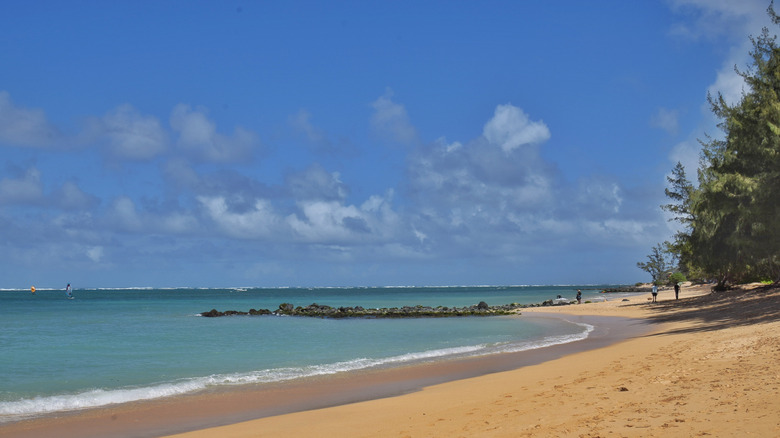
Just over 28,000 people reside in Kahului on the island of Maui as of the 2020 census, 20.2% of whom are 65 and older. Most of the beaches in Kahului are ideal for kitesurfing, surfing, and watching sea turtles, according to Hawaii by smarttrippers. Kahului also has plenty of outdoor activities for hiking or gazing at waterfalls and easy access to hospitals and other healthcare facilities.
AreaVibes gives Kahului an "excellent" livability score of 72 out of 100 and an A- for healthcare and safety, although Kahului's crime rate is 6% higher than the statewide average. According to AreaVibes, the cost of living in Kahului is about the same as the statewide average, though it's 73% above the national average. It costs around $2,650 a month to rent in Kahului as of late December 2025, which is 33% higher than the national average yet $350 lower than the state average, per Zillow Rentals. Still, you'll need to be rich to buy a home here. The typical home value in Kahului, as of late 2025, was over $1 million, according to Zillow.
Lihue
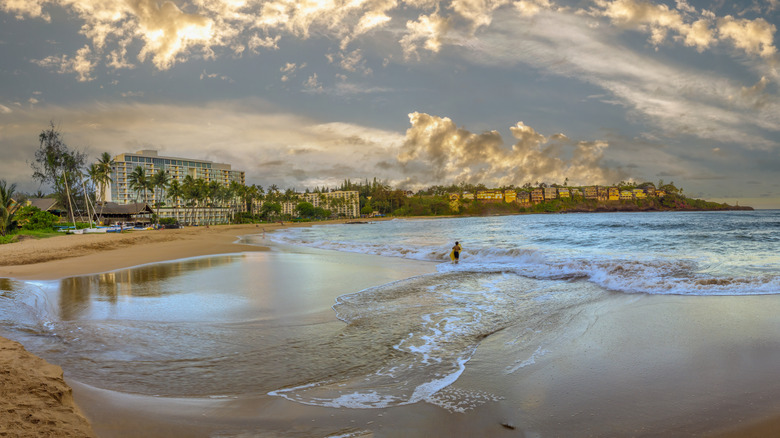
Lihue is not a big town. Just over 8,000 people live in this census designated place, 26.1% of whom are 65 years old or older. But it's still home to the island of Kauai's airport as well as its cruise line seaport, Nawiliwili Harbor. Also located in Lihue are several restaurants and shops as well as Kalapaki Beach, a critically acclaimed sandy beach with a Marriott Resort.
But Lihue isn't just a tourist trap. AreaVibes gave this settlement a "good" livability score of 62 out of 100. Its crime rate is 26% lower than the statewide average and 25% lower than the national average. Lihue also got an A- grade for its health and safety, particularly for its significant healthcare infrastructure, which includes the Wilcox Medical Center.
Cost of living in Lihue, though, is 2% higher than the statewide average and 77% higher than the national average, per AreaVibes. The average rental rate was $3,100 a month in late December 2025, per Zillow Rentals, $100 higher than the statewide average and 55% higher than the national average. But buying a home here may not be too costly by Hawaii standards, with the average Lihue home valued at about $845,000, per Zillow's figures in late 2025.