

Walmart Customers Will Witness Some Big Changes In 2026
We may receive a commission on purchases made from links.
Financial experts having a grim prediction for the United States dollar in 2026 is likely playing into retail giant Walmart's desire to change things up across their stores. In fact, Walmart customers will witness some big changes in 2026, many of which could alter their shopping experience. While a few of these changes, like bringing on a new CEO, might not directly impact you as you fill your shopping cart, other changes will be harder to miss. Plus, some have already been implemented in select key stores in order to test them out.
You may have noticed fewer self-checkout lanes at your local Walmart shopping center or even used some of the company's new AI-powered tools aimed at enhancing the in-store shopping experience through the Walmart app. However, even though Walmart touts itself as being a people-focused business, you can be sure that many of the company's upcoming changes are as much about making your shopping experience better as they are about raising the company's profit margin. In an October 2025 company statement, Walmart's Senior Vice President of Shopping Experiences, Tracy Poulliot said, "when [customers] use the app while they shop in stores, they spend 25% more on average." With that in mind, the changes coming to Walmart in 2026 definitely aren't designed to help you curb a compulsive spending habit.
Healthier food product options
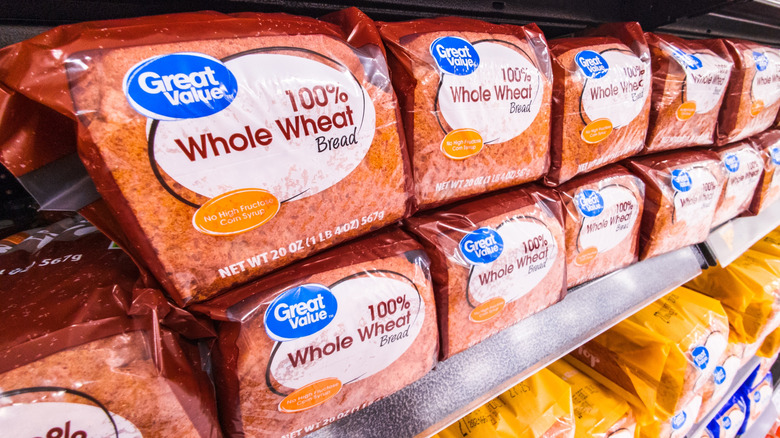
According to a 2025 Pew Research Center study, more than 50% of Americans reported that the healthiness of food was important when deciding what to eat. However, an important factor preventing many people from choosing healthier foods is cost, with six in 10 Americans prioritizing prices over health when grocery shopping. In response to the growing consumer demand for healthier foods, Walmart announced in October 2025 that it plans to eliminate synthetic dyes and other unhealthy ingredients from its private-label branded food options. These brands, which include products under the Great Value, Marketside, Freshness Guaranteed, and bettergoods labels, are typically the lower-priced choices for consumers in Walmart stores.
It's worth noting that eliminating synthetic dyes wasn't entirely voluntary. In April 2025, the U.S. Health and Human Services Department, along with the Food and Drug Administration, released a joint plan to phase out petroleum-based synthetic dyes from America's food supply. The plan encourages food companies to eliminate certain dyes from their products by the end of 2026, with most being phased out no later than 2028. While Walmart hasn't disclosed the cost behind reformulating its recipes, switching from artificial food dyes to natural ingredients with more limited supplies isn't likely to be cheap. According to Bakery & Snacks, natural pigments cost 5% to 20% more than synthetic counterparts, and price increases for suppliers often translate to consumers paying more at the register. So, while health-conscious consumers will appreciate the push toward healthier options, subsequent price increases might not resonate with consumers already facing rising food costs.
Fewer self-checkout lanes
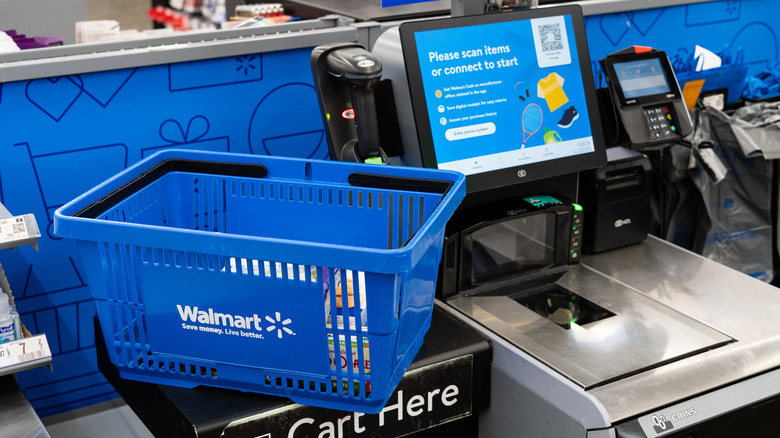
Amazon may have cracked the code on the retail theft that plagues Walmart and Target, but large retailers have yet to implement the technology in their stores. Instead, Walmart is making changes to its self-checkout policy — a push that was initially put in place to reduce labor costs. Self-checkout lanes may have let retailers like Walmart employ fewer cashiers, but an unforeseen impact of switching to more self-checkout lanes has been higher theft rates. Now, many retailers are rethinking the self-checkout experience. Walmart has removed self-checkout lanes entirely from certain stores, its not planning to completely remove them from all locations.
Customers will see fewer self-checkout lanes in 2026, combined with more personalized attention from actual employees. The company also plans to increase technology around the self-checkout area with additions meant to help streamline the experience and reduce theft. However, with fewer self-checkout lanes available and the potential for more scrutiny from employees and cameras, customers could face increased wait times due to a slower checkout process.
Expanding AI technology
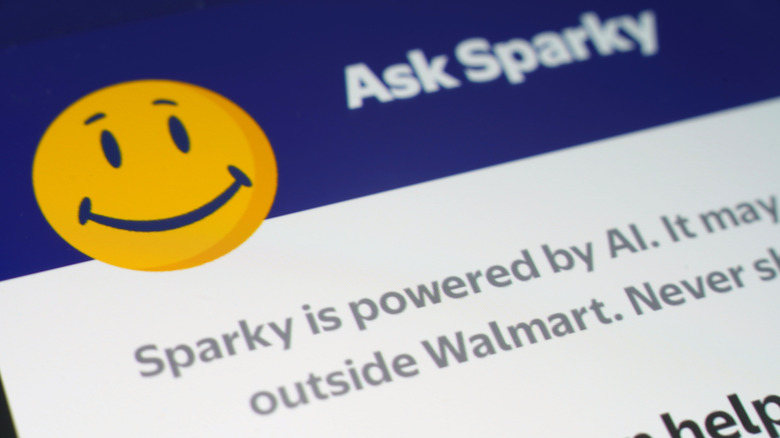
Walmart has plans to expand its use of AI technology in 2026 in ways that will affect employees and customers alike. The retail chain recently announced its partnership with OpenAI to bring consumers Sparky, a personalized shopping agent. Through the Walmart App, shoppers in the U.S. can access Sparky to get product recommendations, read customer reviews, and even locate items in the store while they shop (or from anywhere they use the app). This AI technology is intended to learn your specific shopping habits and behaviors in order to help predict what you might want to purchase.
While the new tech could easily make your shopping trips faster, with this convenience also comes risk. By offering recommendations — and a simple way to add items to your cart — you might quickly exceed your intended budget, or even end up with impulse items you don't really need or want. In a report on AI from speaker Richard van Hooijdonk's website, Dr. Ali Makhdoumi, professor of marketing at Duke, explained that "new AI tools are also making companies better at understanding customers' vulnerabilities, which may enable them to manipulate user behaviour in ways beneficial for the company but not for customers." The report also noted that as many as 45% of consumers do not know the difference between AI and human recommendations, meaning Walmart is no doubt hoping that consumers willbe influenced by Sparky's predictive algorithm without even realizing it.
Implementation of new pricing labels
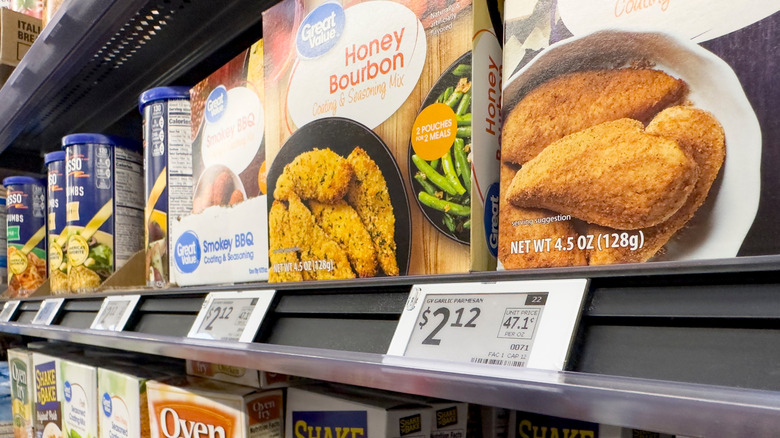
Walmart shoppers across the U.S. are about to get a more digital experience as they search for prices on items in store. Walmart announced in mid-2024 that it would be putting digital shelf labels (DSLs), sometimes called electronic shelf labels, into 2,300 U.S. locations by 2026. DSLs serve as a replacement for paper price tags, and Walmart claims the tags not only make it more convenient for shoppers but also faster for employees to change prices on products. Without DSLs, it can take an employee two days to update price tags within a store, but this is reduced to just a few minutes with the new label technology.
Walmart says using these DSL tags will allow its employees more time to assist and focus on customers, thereby providing a better overall shopping experience. However, some are concerned that DSLs could make it easier for retailers like Walmart to price-gouge or even use a dynamic pricing strategy that could show different prices to different shoppers based on their income or buying habits. While this hasn't been the case so far, DSLs are making it easier for retailers to adjust prices for sale or clearance items so time will tell if it goes the other direction as well. For better or worse, these labels will likely transform your Walmart shopping experience in 2026.