

The Best Midwestern College Towns For Retirees To Move To
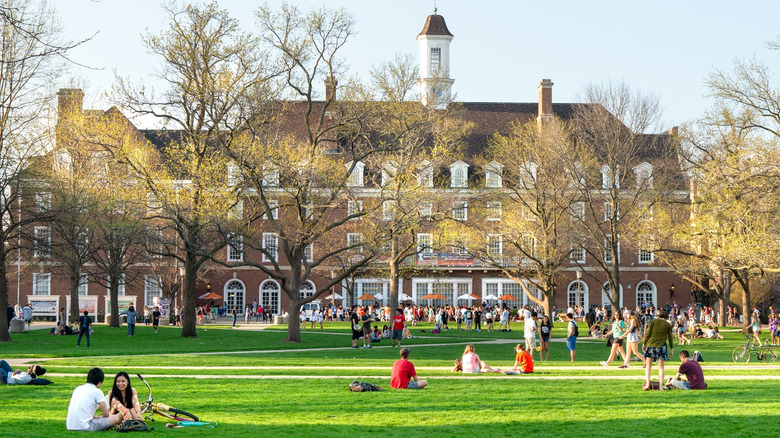
At first glance, a college or university town might not seem the best fit for the average American retiree. After all, these cities are often associated with a far younger demographic, most of whom are just starting to determine their career paths. But retirees are finding that some college towns offer an idyllic place to settle down.
For retired Americans living on a fixed income, affordability is key. According to the Social Security Administration, the average retiree should expect to receive monthly benefits of approximately $1,976. Meanwhile, the recommended post-retirement income for Americans is reportedly $50,000 for individuals and $80,000 for couples. For seniors whose post-retirement income will be low, especially if they lack savings, it makes sense to aim for a region of the country where their dollar will stretch and housing and groceries are still relatively affordable. In the Midwest, housing and rental prices are likely to be lower than the national average. As for cost of living, U.S. News & World Report ranked four Midwestern states among the 10 most affordable. Though budget-friendly living is important, that might not be enough for all retired Americans. College towns have a reputation for being made up of highly educated, diverse, and progressive populations.
As there are many pros to moving to a Midwestern college city, there will also be unique challenges, such as weather and immediate access to healthcare resources. With these considerations in mind, here are the college towns in the Midwest that American retirees might find themselves more than happy to call home.
Ann Arbor, Michigan
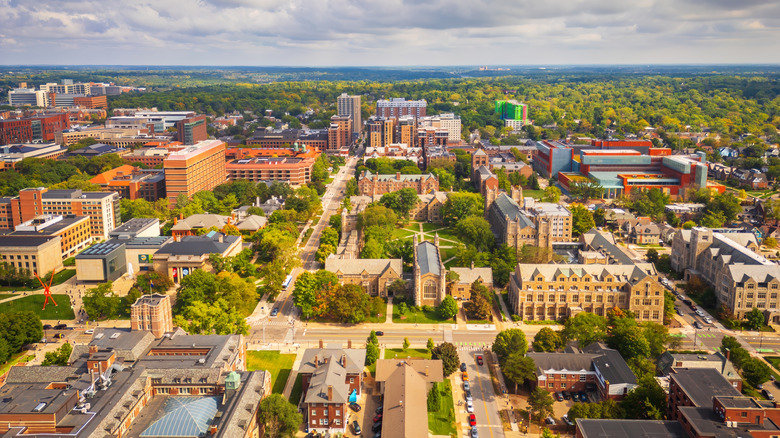
Ann Arbor, Michigan and its surrounding region is home to nearly a dozen different colleges and universities, including the University of Michigan and, just up the road in Ypsilanti, Eastern Michigan University. While there is a strong youthful undercurrent thanks to so many schools within the area, Ann Arbor also has a thriving retiree population. As Forbes notes, some retirees have come to see the city as a retirement mecca. In an interview with the magazine, one retired professional, Gary Graves, shared that he and his wife, Heather, moved 260 miles to a Michigan college town because he had fond memories of living there. Overall, retirees appreciate it as a place for golfing, intellectual amenities, and access to great healthcare.
The cost of living is reportedly 5% higher than the national average, according to Payscale, yet retired Americans who can afford to do so are still choosing to move to the area to take full advantage of its amenities and established retiree community. If you're worried about cost, consider moving to the slightly more affordable towns nearby, like Westland and Romulus.
Iowa City, Iowa
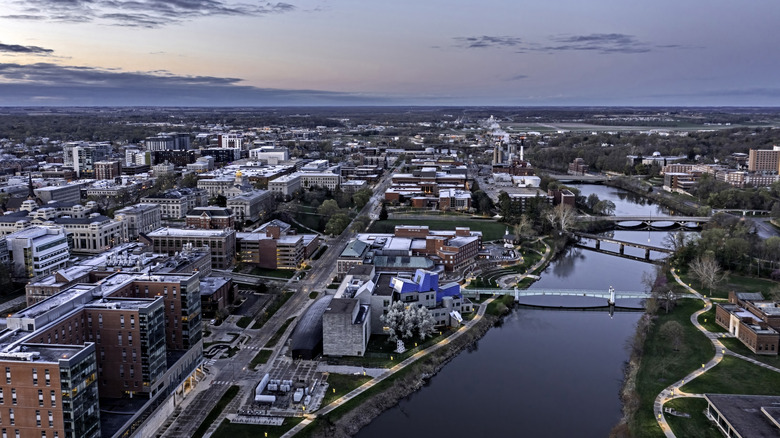
Iowa City enjoys a positive reputation as a college town and is one of the best options for those seeking an education in the state. Home to the University of Iowa, the city has a reported population of over 182,000 people as of 2025. Iowa City has enjoyed a steady increase in residents over the years, as people are drawn to the area in part by its affordability. The cost of living is estimated to be 8.7% lower than the national average. Housing costs and groceries are 21.2% and 11.7% lower, respectively.
In addition to being a cheaper option for college-bound Americans, Iowa City's affordable, urban vibe has made it a hit with retirees, so much so that it previously earned HGTV's recognition as a great place to retire. For retirees concerned about high medical costs, they'll be happy to know that healthcare costs here are up to 17% lower than the national average, per Livability.
Toledo, Ohio
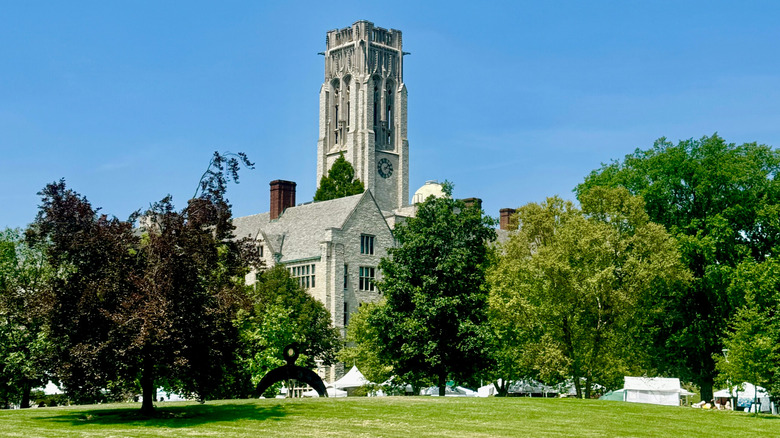
Toledo, Ohio is somewhat of an underestimated gem, sometimes flying well under the radar of American retirees looking for an affordable Midwestern town to call home. Some might look to Youngstown instead, as its cost of living is known to be less than the nationwide average, but those who give Toledo a chance will find that it's another great option as a cost-friendly college city. Per U.S. News & World Report, the local population is about 270,118, though the greater metropolitan area boasts a population exceeding 651,000. The area is home to multiple colleges, most notably the University of Toledo and Bowling Green State University.
The local housing cost is 7.3% less than the national average, according to Apartments.com. Apartments in Toledo cost between $660 and $1,143 per month. Likewise, Redfin puts the median housing price is reportedly $133,000. Retired residents with an eye on healthcare access will be happy to know that the area is part of a statewide effort to improve access to quality medical care for Ohio residents, with ProMedica and UT Medical Center, representing key points of healthcare access.
Brookings, South Dakota

Brookings, South Dakota blends the affordability of the Midwest with a small college-city vibe, with South Dakota State University as the area's best-known school. Overall, Brookings is known for not only a vibrant local art scene but also for being an exceptionally safe place to live, a combination of traits that continues to draw retirees to the city, whose population is just over 25,000.
For retirees focused on finding a budget-friendly region to live in, Best Places puts the cost of living in Brookings is estimated to be 15% less than the national average. The median house price is just under $290,000, while rentals in the area are priced at nearly $1,200 per month. Another positive point about living here is that, while technically located in a more rural area of the country, there is decent access to healthcare services and related support.
Perhaps the only drawback to consider might be the weather, as it can get very cold during the winter months, with temperatures averaging in the teens by January. Chilly weather aside, Brookings could be an ideal move for most retirees.
Springfield, Missouri
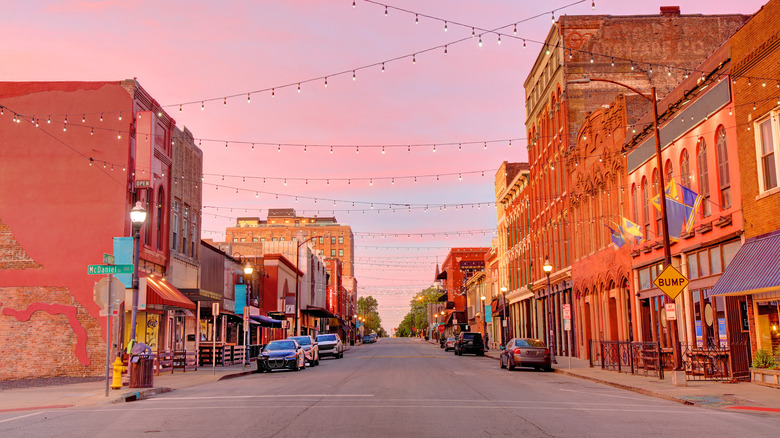
Springfield, Missouri is one of 34 cities in the United States that share the name. However, this town is home to popular colleges such as Missouri State University and Drury University. It is an ideal place to live for retirees seeking lower living costs, as it is reportedly 9% cheaper than the national average according to Payscale. Here, residents also pay about 5% less for groceries, 20% less for utilities, and 13% less for housing costs. In fact, rentals in Springfield are priced as low as $700 monthly. Meanwhile, the median housing price is estimated to be $212,500 according to Redfin.
Residents in the area have access to multiple hospitals across the region, and the overall healthcare infrastructure is strong. However, that may not be the case for everyone, as access can become more challenging for those situated in surrounding rural areas. If affordability is the top priority, Springfield may still be a good fit overall.
Bloomington, Indiana

Bloomington, Indiana, is a Midwestern city of nearly 85,000. There are several colleges in the area, including Indiana University Bloomington, and Illinois Wesleyan University. As is the case with many towns in the region, living costs are relatively low. According to Apartments.com, housing costs here are slightly lower than the average Americans expect to pay nationwide. Renters can expect to pay no more than $1,781 per month, with some studios costing about $979 monthly. The median price for a house in Bloomington, meanwhile, is approximately $300,000 according to Redfin.
Retirees are particularly drawn to the charm of Bloomington, a city routinely marketed as both safe to live in and affordable to retire in. Still, some drawbacks to moving here may make retirees reconsider. For instance, healthcare costs are about 7.6% higher here than the national average. Healthcare costs are up across the state in general, but for retirees who don't rely heavily on paying out of pocket due to good quality insurance, Bloomington could still work for its affordability and amenities.
Manhattan, Kansas

Manhattan is a small college city centered on Kansas State University. It experienced a sharp increase in its resident population in previous decades, though population growth has leveled off in recent years. As of now, some 55,000 people are living in the area. A driving factor in Manhattan's population boom may have been its appeal to retired Americans, as local data show that nearly 18% of the town's population is aged 55 or older. This is great news for retirees considering a move here, as it means they will have no issue finding and connecting with residents in the same age group.
Another upside to Manhattan is its cost of living, which is 9% below the nationwide average according to Apartments.com. Housing costs are also 25% lower than the national average. As for renters, they can expect to pay between $653 and $1,301 per month. Lastly, the area offers a decent range of healthcare options for retirees. Between costs, healthcare access, and community-building prospects, Manhattan might be a true hidden gem for retirees seeking a great place to live.
Fargo, North Dakota
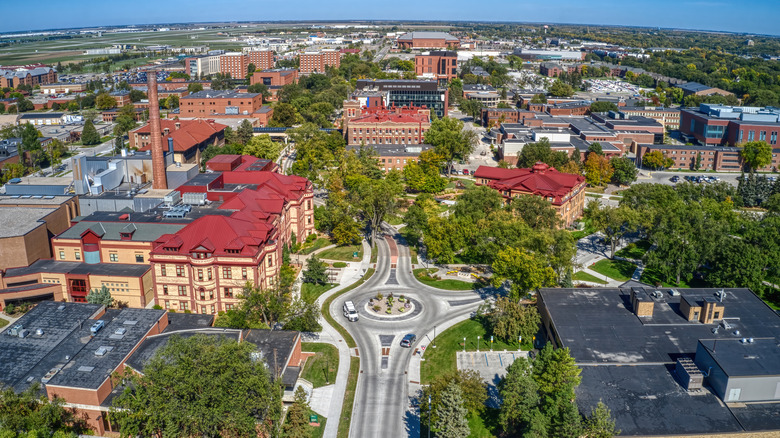
Fargo is the largest city in North Dakota, in part because it is home to important state colleges such as North Dakota State University, which contribute to the area's population of 136,285 residents. Homes here are priced 15.1% below what Americans can expect to pay nationwide per Apartments.com; however, the overall living costs in this Midwestern college town are just 3.2% less than the national average. That means while housing prices are more affordable, some might not consider day-to-day living costs a strong enough bargain relative to other Midwest college cities.
Still, Fargo could be a good fit for retirees who prioritize healthcare access, as it offers independent living communities and in-home care resources for those who need them. That said, Fargo does present living challenges for seniors who are averse to freezing winter weather. Temperatures here can get bitingly cold, with wind chills routinely dipping into negative numbers. If you are willing to take on the challenge of a colder region to get the most out of an affordable college town, then Fargo could be a great place to live.
Beloit, Wisconsin
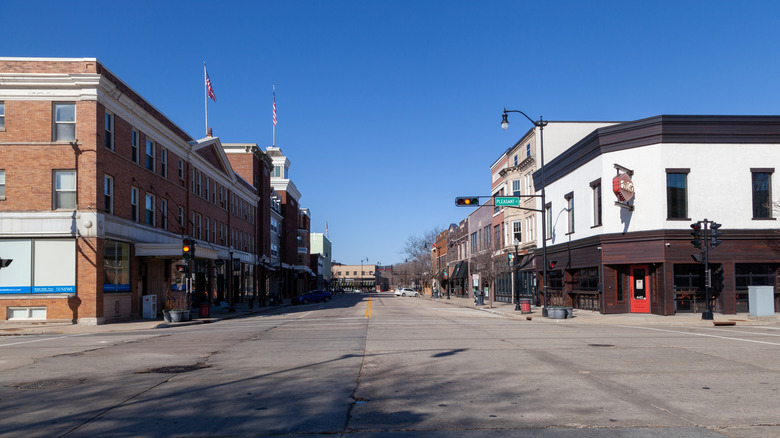
Although there are multiple institutions near Beloit, Wisconsin, the area is best known for Beloit College, which has an average annual enrollment of 1,000 students. According to U.S. Census Bureau data, the population is about 36,633, making it an ideal place for those who prefer a small-city vibe without too much hustle and bustle. Beloit is a popular choice for retirees, in large part due to its affordability, and it is frequently rated one of the best places to retire in Wisconsin. It tends to score very highly for livability. For instance, the median house price is $191,403 per Zillow, and the median rent payment is $1,050 per month. The lower cost of living might be expected, though one pleasant surprise for some retirees might be the availability of healthcare services. Though Beloit is situated in a more rural area of the state, it has a largely efficient healthcare infrastructure.
It would seem that the only real drawback that could deter some retirees is that it is located in an area of the country that can get very cold. But for retired Americans who dress adequately for seasonal weather, Beloit remains a college town with a lot to offer year-round.
Lincoln, Nebraska
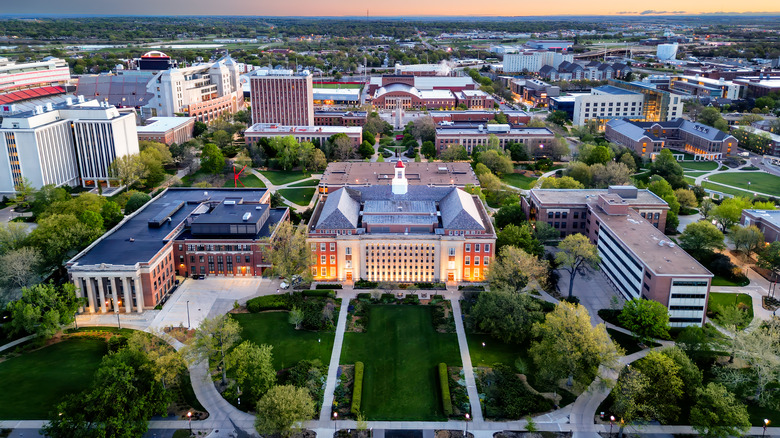
Lincoln, Nebraska is a college city best known for the University of Nebraska-Lincoln. Aside from area college students, Lincoln is growing in popularity with retired Americans, thanks in large part to its lower living costs. Per Apartments.com, this city's housing cost is 23.2% less than the national average. Likewise, residents spend 1.8% less on groceries, 7% less for utilities, and 2.7% for transportation. Apartments can cost between $958 – $1,593 per month, while the median house price is $396,890.
The ease at which many can afford to live in Lincoln has led it to be listed as the best place for seniors to retire by multiple sources. It is deemed a great place to live for retirees who have a decent savings and post-retirement income. However, it might not be a good place to move for lower-income retired Americans who have urgent healthcare needs. For those that move to the area and might need help with medical expenses and related concerns, there are state-recommended resources such as the Personal and Family Services (PFS) Mission.
Macomb, Illinois
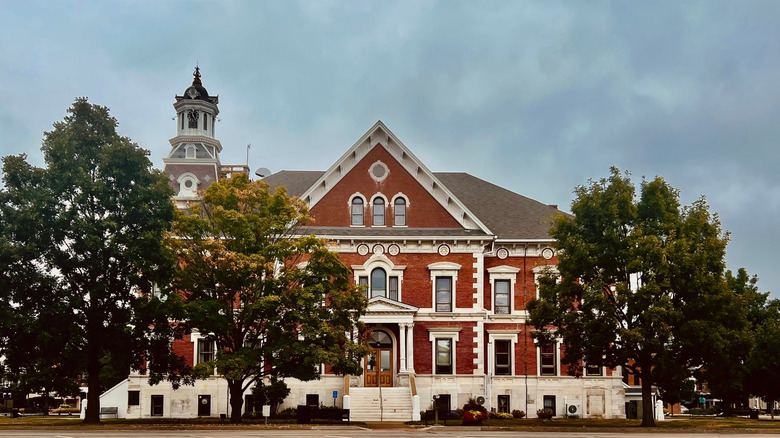
Home to Western Illinois University, Macomb is a rural town with cozy, suburban vibes, thanks in part to its population of about 15,000. It earns top marks for livability, with a reported median housing price of only $88,000 per Redfin. Meanwhile, Apartments.com notes that renters should expect to pay about $613 per month; some studios can cost as little as $527 month-to-month. According to Niche, residents rate it B+ overall, finding it ideal for families, schooling, and nightlife. Macomb is also notable for its safety and low crime. The area may also be worth the move for retirees seeking access to high-quality healthcare, something Macomb has steadily developed over the last decade.
As cheap as many residents find Macomb, the small city does have its drawbacks. College enrollment at Western Illinois University is down significantly, part of a domino effect that has contributed to a shrinking local population and a stagnating economy. This may discourage younger Americans from relocating to the region, as they are more inclined to go where there are greater job prospects. However, for retired Americans, these factors aren't necessarily relevant to their quality of life or post-retirement income, which might be why retirees continue to relocate to Macomb. If you are seeking a budget-friendly college town that's safe to live in, Macomb is still highly recommended.
Bemidji, Minnesota
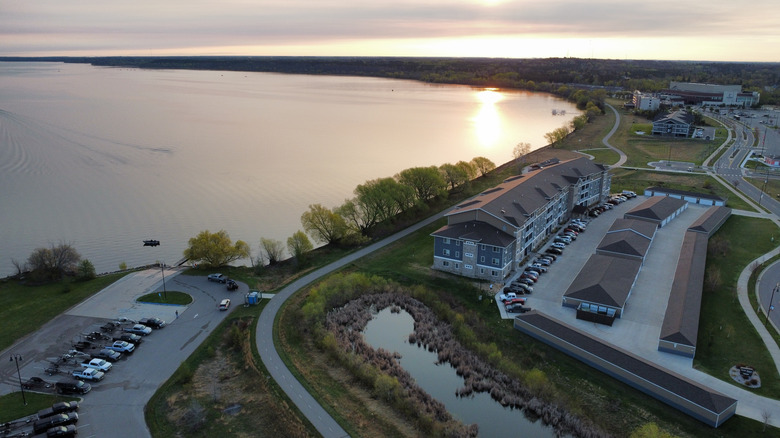
Though most notably linked to Bemidji State University, the small town of Bemidji, Minnesota is linked to several area colleges. The overall population is approximately 15,490. There is a fair mixture of different age groups living here, however per Niche, 25% of the Bemidji population is 55 or older, suggesting the city already has a large community of Americans that are either nearing retirement age or already retired. For retirees in search of community with same aged Americans, this is a great sign. An even better distinction is that Bemidji was previously ranked a top place to retire.
Houses here cost $210,340 on average, per Zillow, while the median rent price is $1,500 according to the same site's data. Though housing costs are well below the national average, 58% of Bemidji residents are renters. Overall, not only do locals have lower living costs, but there are signs that healthcare access isn't a severe issue as it is in certain other small, rural Midwestern towns.