

The Heartwarming Story Of A Granddaughter Helping Her 86-Year-Old Grandfather Retire

Although achieving retirement is considered a sign of a successful life, many Americans are nervous about their financial security after they stop working. According to the 2024 Annual Retirement Study from Allianz Life, a majority of Americans worry that their retirement funds will run out early. The 2025 U.S. Bank Wealth Report says that 63% of people believe they'll need to return to work after retiring because of concerns over money.
For Tom Mims, returning to work after retiring became a necessity almost a decade ago, according to a GoFundMe page set up by his granddaughter, Candice Lash. His wife, Joyce, had a serious illness that led to significant medical debt. When she died in 2017, Tom decided to go back to work to try to pay the remaining medical bills. Several years later and now at age 86, he still works at the Piggly Wiggly in Columbiana, Alabama, waking up at 3 a.m. to make it to the grocery store on time to start his shift bagging groceries and collecting shopping carts.
His granddaughter started the GoFundMe campaign to try to help him raise the money needed to pay the remaining debt and meet his living expenses, so he could stop working. After only a couple of weeks, the campaign was a success, surpassing six figures. However, not every senior who has medical debt is so fortunate. Some seniors must return to work and continue working because of unresolved medical debt and bills.
What medical debt is and how it can burden seniors
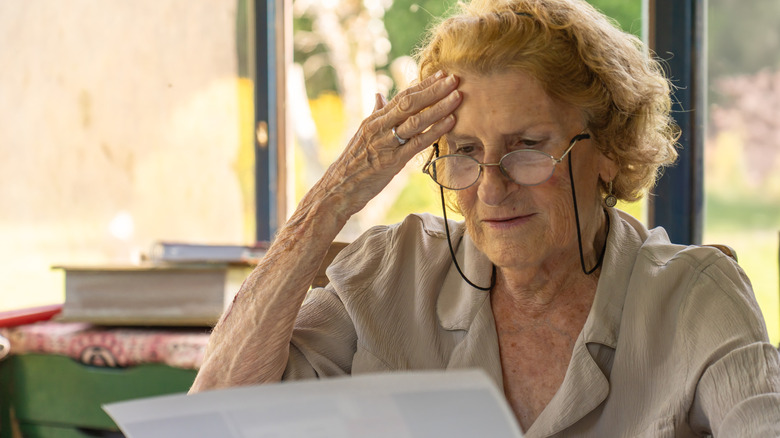
Medical debt is like any other kind of debt, where the recipient of the health care service is unable to pay the bill by the due date. Although a senior may have accumulated debt through general health care and dental bills that go unpaid, it might not always show up as medical debt. For example, if someone takes out a loan or uses a credit card to pay the health care bills, the debt still exists — it just shifts from the medical category to another.
Seniors can end up with medical and related debt for a variety of reasons. Some have issues covering the costs of expensive emergency care and ambulance services, which create a large, one-time expense. Others may slowly accumulate medical debt while paying for monthly doctor visits, diagnostic tests, inpatient stays, and prescription drugs — as was the case with Tom Mims and his wife.
So, what really happens if you don't pay your medical bills and end up with this debt as a senior? Medical costs of more than $500 could negatively affect your credit report, although there is a grace period of at least a year before this happens. The facility where the senior owes the money could sue the senior to force payment. Being unable to pay the judgment could cause you to lose your home or other physical belongings, although there are ways to try to protect these assets. Some seniors might have to file for bankruptcy to deal with medical debt.
Why medical debt can affect retirement options

The generation that has the most medical debt is millennials, according to a 2024 FINRA Investor Education Foundation report. More than twice as many people in this cohort have medical debt than seniors in the baby boomer generation. However, older Americans may get caught off guard when accumulating this debt. Seniors may think that Medicare will handle most of their medical expenses. However, an average senior can expect to have $172,500 in health care expenses throughout retirement, according to the 2025 Retiree Health Care Cost Estimate from Fidelity Investments, and Medicare won't cover this entire sum.
People who accumulate medical debt before they become seniors may have to use money that would otherwise go into their retirement accounts to pay the health care costs. Someone who wanted to retire at 62 might have to work several more years to make up for a shortfall in savings because of medical debt payoff requirements.
When seniors accumulate medical debt after retiring, some of them end up going back to work, just like Tom Mims working to collect and organize grocery carts. Others may choose to avoid seeking additional medical care because of worries over adding to the debt. Many cut back on spending for food or clothing. Even seniors who don't have medical debt might choose to return to work to help pay the rising costs of ongoing health care or prescription drugs. Seniors who work into their 80s, like Tom Mims, may tire and wear down faster, causing further health worries.