

5 Cars That Will Instantly Drain Your Retirement Savings

Generally, you can't go wrong buying a reliable Toyota in retirement, or some other dependable brand with a proven track record and relatively low upfront costs. However, car ownership in the golden years isn't restricted to only boring cars with fairly basic comforts. If you have rich retirement savings, or such comforts and hobbies are big priorities to you, then you definitely should treat yourself to a more luxurious car.
The problem, though, is not every luxury car is a good buy. Making a mistake could literally mean hundreds or thousands of dollars down the drain — both in upfront and recurring costs. Just as there are some luxury cars worth your money, there are others that you might want to steer clear of if you want your retirement savings to last longer.
The reason luxury cars are major culprits here comes down to methodology. The cars were selected for four major reasons: they cost a lot to buy, own, and maintain; they have high depreciation; they have questionable reliability; and the brand has an overall low dependability score. Additionally, cars you don't normally find in a typical American suburb were avoided to keep this list realistic. By checking five-to-10-year maintenance data using Consumer Reports and J.D. Power surveys and studies, and combining the figures from depreciation calculators such as CarEdge and iSeeCars, these five luxury car models were found to be among those you should avoid in retirement.
Porsche Panamera

While Porsche may have historically gotten a bad rap for making niche cars with unstable reliability, trends suggest things are improving. However, one popular car in the lineup remains iffy: the Porsche Panamera. CarEdge gives this luxury sports sedan an "F" in value, not just because it's expensive upfront (over $100,000 brand new and around $69,000 for a fairly-used later model on Edmunds), but maintenance and repair costs can also rack up into staggering figures.
CarBuzz estimates maintenance should cost around $1,252 a year, with 10-year costs of roughly $37,000 to $38,000. When you compare this to a 10-year average maintenance cost of $10,031 for luxury vehicles, you see that the Panamera costs nearly four times as much. These high upkeep costs are why the Porsche Panamera is among the worst luxury cars for retirees. It's also tuned for spirited driving, and therefore has lower gas mileage and expensive performance consumables, such as brakes and tires.
With high entry prices and hefty maintenance fees, the one aspect the Panamera seems to have going for it is iSeeCars' resale value analysis, which reveals it doesn't depreciate as badly as many other large luxury cars. In fact, it seems to consistently beat the average depreciation in the large luxury car segment with the lowest depreciation rate in the three-year range.
Land Rover Range Rover
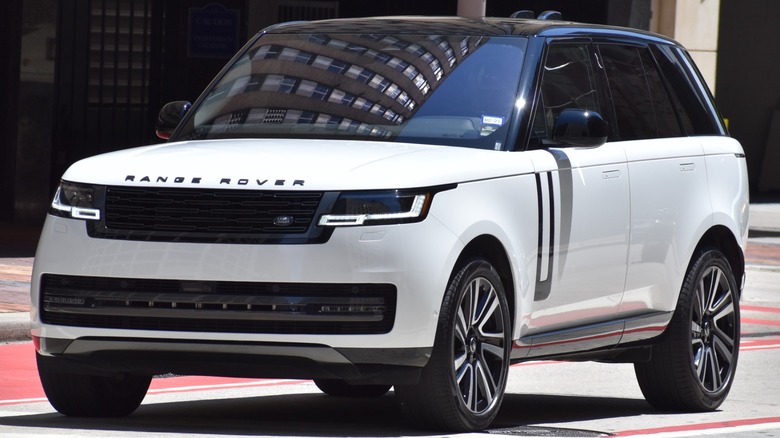
Across all Land Rover models, CarEdge estimates 10 years of maintenance costs average out to $18,072. CarEdge also estimates a 51.26% chance of a major repair, making it substantially worse than the average luxury brand. The Range Rover might be a luxury SUV icon, and the most famous model the Land Rover brand has, but you have to be ready to let your retirement savings take a big hit if you want it to be part of your life.
Range Rovers are also expensive just to get off the lot. The official spec page for the 2025 Range Rover lineup starts at $113,300 MSRP for just the base trim. Edmunds' True Cost to Own metrics ballpark the hidden costs of a 2025 Range Rover to be an additional $159,180 in the first five years, with more than half of that going to depreciation and 15% of it going to financing. CarEdge also corroborates this: The average cost of owning a Range Rover for five years is $201,635, with depreciation, interest, and insurance forming the bulk of the costs. It also gets an "F" from CarEdge for value rating, which makes it just as bad as the Panamera, and RepairPal gives it two stars in reliability with high risks of frequent and severe problems.
BMW X5

The BMW i4 may have appeared on Consumer Reports' 2025 reliability list, but BMW isn't always known to make dependable, easy-to-maintain cars. According to CarEdge, as a brand, BMW's average 10-year maintenance cost is $16,021, with a 47.26% chance of a major repair (both significantly worse than luxury-brand averages). The X5 in particular costs about $19,460 in maintenance and repairs over 10 years (using data from CarEdge), roughly $7,000 more than the average luxury SUV. It also has a 56.41% chance of a major repair within 10 years, almost 18% higher than the segment average. These facts alone are enough to earn it a spot on this list, but there are further concerns such as depreciation and upfront costs.
A brand new 2025 BMW X5 costs roughly $70,000 to $100,000, depending on what trims or options you pick. Going by Edmunds' TCO, you lose another $90,000 to $125,000 on depreciation and other hidden costs in five years. Fuel takes up a considerable portion of the TCO — over $15,000 in some cases. Poor fuel efficiency could be a major problem for you since that's money you could be investing in your retirement portfolio. Like the Range Rover, the X5 also has a two-star reliability score from RepairPal. Its annual repair and maintenance costs are about $500 or so more expensive than the average car's, and it also has to come in for severe repairs more frequently.
Mercedes-Benz GLS
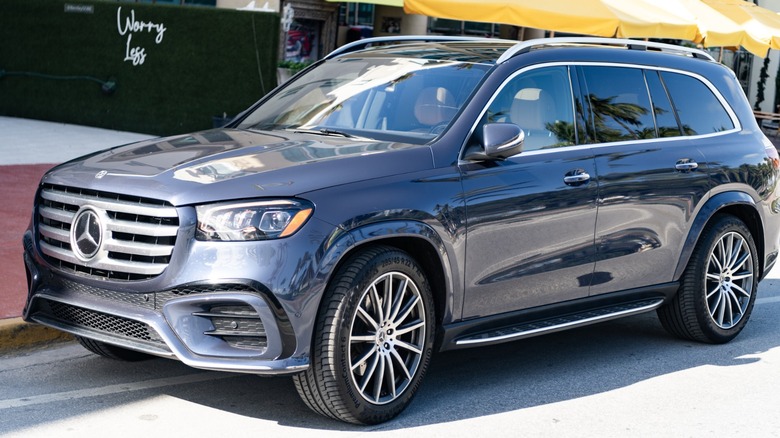
Mercedes-Benz isn't exactly known to make pocket-friendly, reliable cars. It's one of the paradigm examples of European luxury, and its brand ethos doesn't really have room for cars that typically help you save money in retirement. Even if there might be some portfolio-friendly ones somewhere out there, it's definitely not the full-size, three-row GLS SUV.
Like other cars on this list, the entry cost is steep. Depending on the spec you want, you could be spending around $90,000 for a GLS 450 4MATIC or over $130,000 for a performance-built AMG GLS 63. The depreciation on this is also high (same as other luxury cars), losing as much as 56% of its value over five years according to iSeeCars. If you ever need extra liquidity to boost your portfolio, you could find yourself in a tight spot if this is one of the assets you have to sell.
Then there are maintenance costs, which can eat away at your savings. A list of the most expensive cars to maintain in 2020 (according to CarEdge) placed the GLS in 15th, with $748 in maintenance a year — but it can go as high $2,000-plus by year 10. For context, the Honda CR-V (13th on the cheapest list) needs only $90 a year — you could have $658 extra dollars every single year with this more budget-friendly option. If you really want a three-row SUV, then a Lexus GX 550 is more reliable and holds better value.
Audi Q7
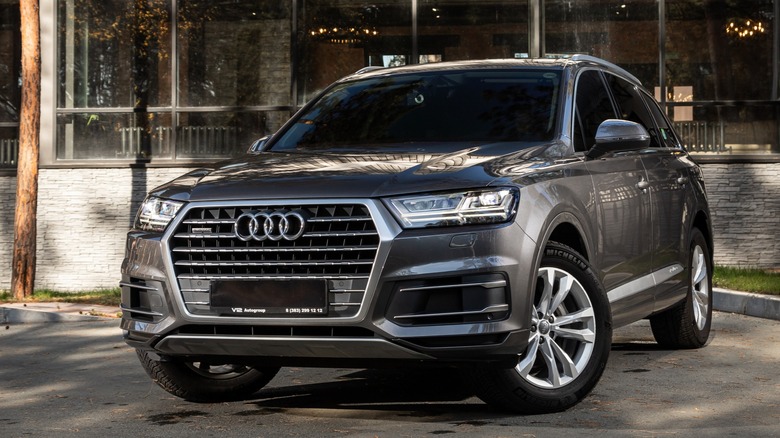
The Audi Q7 is actually one of the most well-received cars in Audi's lineup. Edmunds called it "one of the best three-row luxury SUVs you can buy," and Car and Driver gave it the Editor's Choice award, both praising its premium feel and ride quality. It's also one of the most affordable cars on this list, with the base trim of the 2025 model starting around $60,000. But this doesn't mean it's automatically a good choice for a retired driver; there are some caveats that could make this a bad financial move for someone without an active income.
The first is depreciation. According to iSeeCars, the Audi Q7 has the worst depreciation rate of all the cars on this list: about 61% depreciation over five years and 82% in 10 years. That means a $70,000 Q7 could be worth about $28,000 in five years. For reference, in the luxury midsize SUV category, iSeeCars reports an average five-year resale value of 46%, which implies roughly 54% depreciation for the segment. If there's even a vague suspicion in your mind that you might have to sell the Q7, it's best to go with something else that holds its value better. The next problem is maintenance. According to RepairPal, the Q7's average maintenance cost ($1,185 every year) is pretty average in the luxury SUV sector, but spending $1,200 on maintenance when you can choose any other car with significantly lower upkeep becomes a real drag when you're living on a fixed income.