

The 13 Strongest Currencies In The World, Ranked

Fiat currencies have been the primary store of value and means of exchange since the world economy ended the practice of the gold standard in the 1970s. "Your paper is paper," as David Koechner's character, Stumpy, proclaimed in the iconic 2001 film "Out Cold." Still, paper currencies have maintained power. Some groups of countries, such as the Eurozone, have chosen to adopt a similar currency to facilitate broad, smooth, and robust commerce. Over time, the world's 180 fiat currencies have fluctuated greatly in value due to domestic and international factors. While central bank policies and inflation can impact the value of a currency at home, global factors, including trade imbalances, geopolitical tensions, and outright wars, can also affect a currency's value from abroad.
Being aware of the strongest currencies in the world is important to understanding the global economic order. While some rankings of the most powerful currencies only look at their value relative to the dollar, this obscures the crucial element of relative buying power — how much a currency can purchase in real life. Instead of isolating exchange rates to determine the best-performing currency, Money Digest measured strength by applying an even weight to a currency's relative value to the U.S. dollar and its country's — or economic zone's — average inflation rate over the past five years. This hybrid approach combines the worth a currency carries in the exchange market and the distance it goes in daily spending.
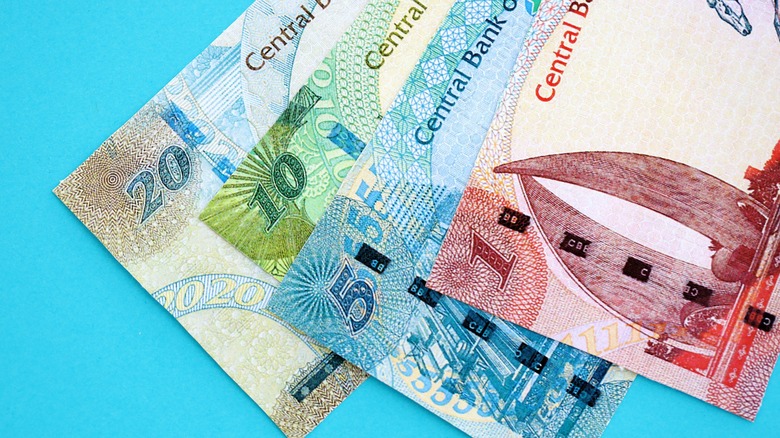
Bahraini Dinar (BHD)
USD per unit: 2.66
Avg Inflation: 0.34%
Value Score: 10
Inflation Score: 10
Final Score: 10
When comparing how strong the U.S. dollar is to the rest of the world, many investors are surprised to realize how many currencies outrank the greenback. At the top of that pile is the Bahraini dinar, the official currency of the tiny Kingdom of Bahrain. This Middle Eastern country in the Persian Gulf boasts a banknote worth more than 2.65 times a single U.S. dollar. Although the Bahraini dinar is the second-strongest currency when compared directly to the U.S. dollar's value, its impressive resilience in the face of inflation makes it the most powerful currency overall. Between 2020 and 2024, the small country's inflation rate averaged only 0.34%, hitting a period high of 3.63% in 2022 and remaining below 0% for many of the years, according to the International Monetary Fund.
Despite its small population and surface area, Bahrain is a powerhouse in the energy industry, owing to its disproportionately large crude oil reserves. However, it's been diligent about diversifying its economy into other sectors. Furthermore, the tiny nation has made several proactive fiscal policy decisions to shore up the value of its currency. The Bahraini Dinar is officially pegged to the U.S. dollar, with policymakers attempting to keep a single Dinar worth around $2.65. In contrast to many Western nations, Bahrain has been careful to limit unnecessary spending, maintaining currency scarcity, which helps prevent deflation.
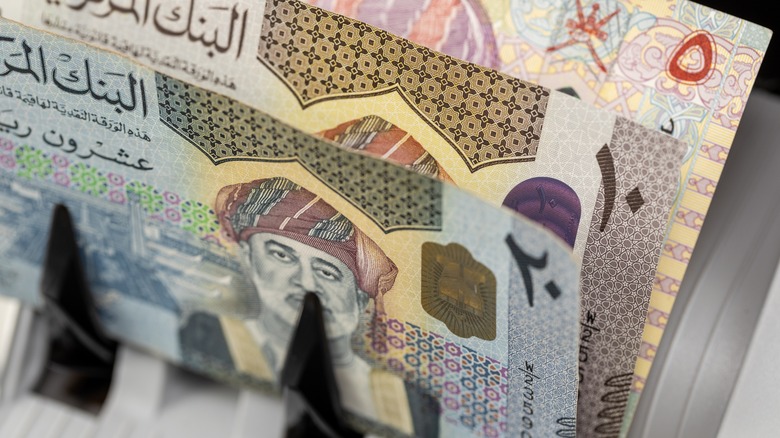
Omani Rial (OMR)
USD per unit: 2.60
Avg Inflation: 1.06%
Value Score: 10
Inflation Score: 10
Final Score: 10
Oman is another miniature, oil-rich country that defies economic expectations with its formidable currency. The Omani Rial is the second-strongest currency in the world when considering its USD exchange value and its sustained buying power. For every Omani Rial, you'll get around $2.60, meaning this Middle Eastern fiat is about 2.6 times stronger than the dollar on the world exchange. This dominance is solidified by persistent buying power. Between 2020 and 2024, the Omani Rial only suffered a 1% inflation rate, considerably higher than the dollar. In 2020, the country's inflation rate even entered into negative territory, meaning the currency rose in value, per data from the International Monetary Fund.
The desirability of Oman's currency heavily mirrors the economic and market structure in Bahrain. The country's currency is tied to the dollar to maintain a favorable exchange rate, which has been sustained for a long time. Unsurprisingly, the country's expansive natural oil stockpiles further solidify the currency, although the government is actively broadening its economy for future stability. Fuel is so affordable in this nation that you'd think you're paying for gas in 1975.
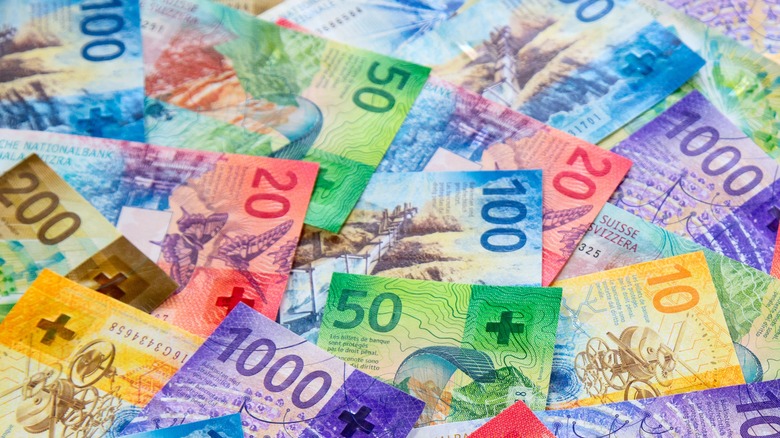
Swiss Franc (CHF)
USD per unit: 1.26
Avg Inflation: 1.18%
Value Score: 8
Inflation Score: 10
Final Score: 9
Switzerland is one of the most expensive European countries for tourists, partially due to the mountainous nation's potent currency. The Swiss Franc has earned a reputation as a prized fiat, routinely maintaining value far above the USD. The Swiss currency is about 1.26 times more valuable than the greenback. For reference, the most powerful currency in Europe is still nearly half the value of the second strongest Middle Eastern currency. Beyond raw value compared to the dollar, the Franc has also maintained remarkable buying power throughout the past five years. From 2020 to 2024, the average inflation was only 1.18%, meaning Swiss inhabitants maintained most of their economic strength, per the International Monetary Fund.
While other fiats have faltered, the Swiss Franc has been on an upward growth trajectory over the past decade and a half, according to the Swiss National Bank. As a symbol of the tiny nation's currency stability, the 10-centime piece is the world's oldest circulating coin. The country's central bank attributes this currency appreciation to a combination of political stability and a lack of economic turbulence. Furthermore, the country's reputation as a safe-haven often attracts foreign investors during bouts of volatility, shoring up the Franc's value.
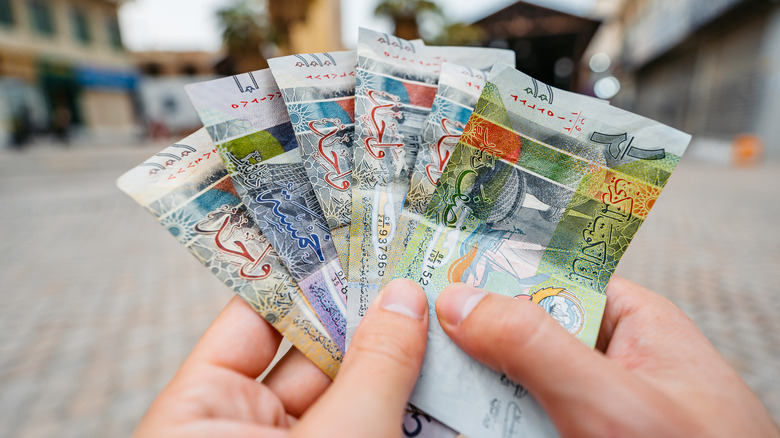
Kuwaiti Dinar (KWD)
USD per unit: 3.26
Avg Inflation: 3.21%
Value Score: 10
Inflation Score: 8
Final Score: 9
The Kuwaiti Dinar is often listed as the most valuable currency in the world because of its imposing USD-denominated value. A single dinar is worth about 3.26 U.S. dollars, dramatically higher than any other fiat on this list. Compared to other Middle Eastern nations with firm currencies, Kuwait has suffered from higher inflation, although not as bad as other countries on this list. Its economy suffered from an inflation rate nearly three times higher than that of Oman between 2020 and 2024, averaging 3.21%, according to the International Monetary Fund. This regionally elevated inflation rate brings down the Kuwaiti dinar's ranking as its purchasing power diminished.
It's not a coincidence that Kuwait is ranked sixth on the list of countries with the largest and richest oil reserves in the world, when accounting for reserve size, crude quality, and cost of extraction. In the same vein as other Middle Eastern nations on this list, the Kuwaiti Dinar is largely buoyed by the country's windfall profits from a booming fossil fuel industry, comprising a staggering 90% of its income, according to Auronum.
British Pound (GBP)
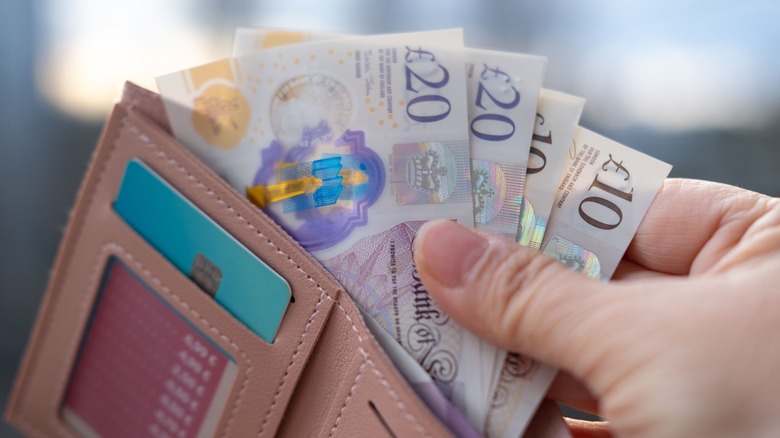
USD per unit: 1.34
Avg Inflation: 4.30%
Value Score: 9
Inflation Score: 6
Final Score: 7.5
The United Kingdom has been losing a ton of millionaires lately, but the nation is still home to one of the most enduring currencies in the world. The British pound used to be the world's reserve currency, until it was supplanted by the U.S. dollar. Yet, it's still far more powerful than the greenback, both in terms of raw value and sustained buying power. For every pound, you'll get around 1.34 U.S. dollars. In terms of purchasing ability, the pound has taken a major hit over the past half a decade. From 2020 to 2024, the British currency faced a steep 21.49% combined inflation rate, averaging out to 4.3% annually, per the International Monetary Fund.
The pound enjoys relative strength for various reasons. The Bank of England's effective monetary policy and routine interventions help to maintain the currency's buying power by minimizing inflation. On top of that, the British currency remains extremely important in global transactions and trade, further cementing its value. The pound remains among the most widely traded currencies on the planet in exchange markets, signaling high demand and bullish evaluations.
Euro (EUR)
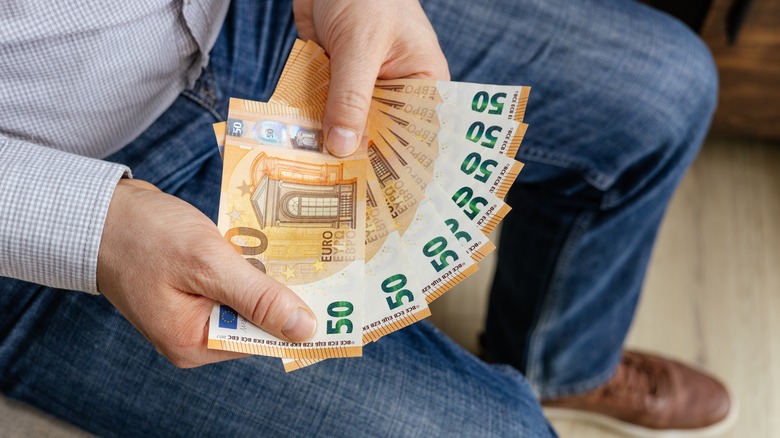
USD per unit: 1.17
Avg Inflation: 3.8%
Value Score: 7
Inflation Score: 8
Final Score: 7.5
Despite only entering the world economy between 1999 and 2002 with the formation of the Eurozone, the Euro has quickly become one of the strongest currencies on the market. This currency provides the foundation of the growing economic zone by the same name and has been central to its rising dominance. The Euro is 1.17 times more valuable than the U.S. dollar, even though it's a fraction of the greenback's age. Additionally, per the International Monetary Fund, the Euro's buying power has suffered less than the dollar, only experiencing an average inflation rate of 3.8% over the past five years.
The euro's shared usage among various countries makes for a hyper-connected and competitive market, buoying the international currency. The euro's relative stability has been a hallmark of the currency and an incentive for countries wanting to join the zone. This price reliance translates into higher global demand, which further elevates its value. In fact, the euro holds the record as the second most widely held currency in central bank reserves for lending and borrowing, making up about 20% of FX stockpiles, according to the European Council.
Brunei Dollar (BND)
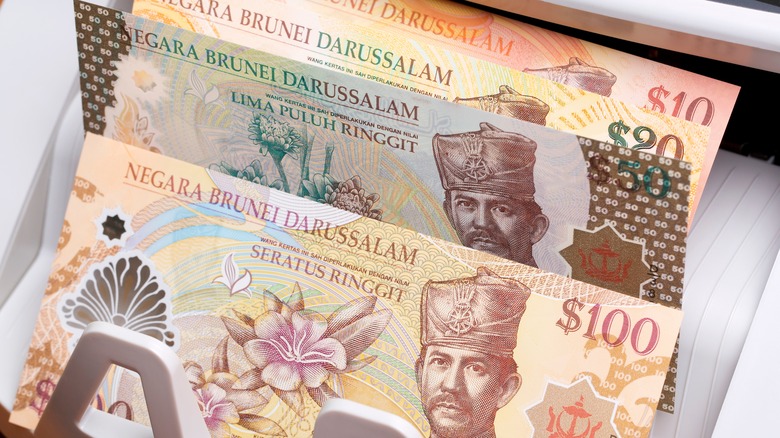
USD per unit: 0.77
Avg Inflation: 1.46%
Value Score: 5
Inflation Score: 10
Final Score: 7.5
Many people have never heard of the Brunei dollar, yet it remains one of the strongest currencies in the world. A single dollar from this small Asian nation is worth around 0.77 U.S. dollars. Despite having a lower exchange rate than the greenback, the Brunei dollar outranks the greenback when factoring in real purchasing capacity. Inflation might be the hidden factor that could tank your retirement fund, but it's done little to diminish the strength of Brunei's currency. Throughout the economically tumultuous period of 2020 to 2024, the government was able to manage an inflation rate of only 1.46% on average per year. The currency only suffered from an annual inflation rate peak of 3.68% during this period, according to the International Monetary Fund.
How has a relatively obscure nation been able to build a high-achieving currency? Cleverly, the government struck an agreement to tie its dollar to the currency of Singapore, a regional economic giant and global finance hub. This one-to-one value ratio and Singapore's status in world markets have helped to maintain the Brunei dollar's value and reputation. Furthermore, the country's size relative to its oil wealth helps maintain a stable economy.
U.S. Dollar (USD)
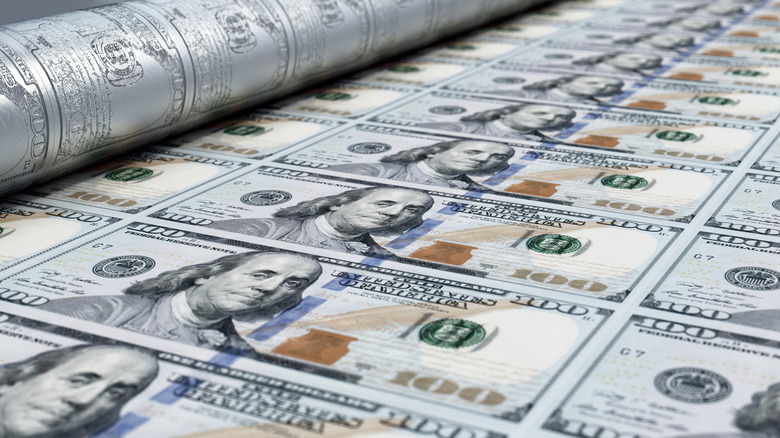
USD per unit: 1
Avg Inflation: 4.2%
Value Score: 7
Inflation Score: 6
Final Score: 6.5
Ever wondered how much stronger the U.S. dollar is compared to the rest of the world? When looking at both raw value and purchasing power, the greenback lands high on the leaderboard, but not at the top spot as many might imagine. Foreign currencies are often compared to the U.S. dollar in terms of value due to its status as the world's reserve currency. It's also the most frequently used in global transactions and trade. One of the reasons the dollar falls behind other currencies is declining buying power. Over the past five years, the U.S. has seen a 21% total inflation rate, averaging out to 4.2% annually, per the International Monetary Fund, hitting a high of 8% in 2022.
A study by the Kellogg School of Management at Northwestern University boiled down most of the greenback's strength to two primary elements: investor and central bank demand. In other words, both retail and official investors prefer the dollar over other assets, on average, when looking at their financial holdings. This preeminence has been a consistent theme for decades, even during economic downturns, but the researchers warn it might not last forever.
Singapore Dollar (SGD)
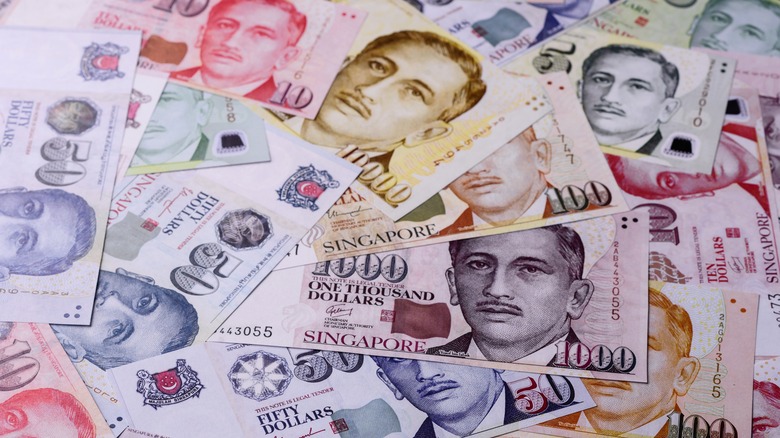
USD per unit: 0.77
Avg Inflation: 3.1%
Value Score: 5
Inflation Score: 8
Final Score: 6.5
Singapore has been heralded as an economic miracle, sprouting into one of the globe's wealthiest countries despite its extremely small population. The city-state is home to only about six million people, yet it has the second-highest per capita gross domestic product, only behind the European financial hamlet of Liechtenstein. Against a challenging backdrop of limited space and worthless raw materials, Singapore's first leader set out to establish the island-nation as a hotspot for international commerce, promoting free markets and placing low trade barriers.
The value and stability of the Singapore dollar have been a natural outgrowth of that vision. This currency is worth 0.77 U.S. dollars, among the strongest conversion rates in the world. Furthermore, it's only been subjected to minimal inflation, with the country seeing an annual average rate per the International Monetary Fund of 3.1% from 2020 to 2024. The Monetary Authority of Singapore, the nation's central financial authority, takes a balanced approach to the currency, allowing for a free-floating evaluation with intermittent fixing when deemed necessary. This has resulted in comparative price stability and predictability, attractive features for a widely traded currency.
Canadian Dollar (CAD)
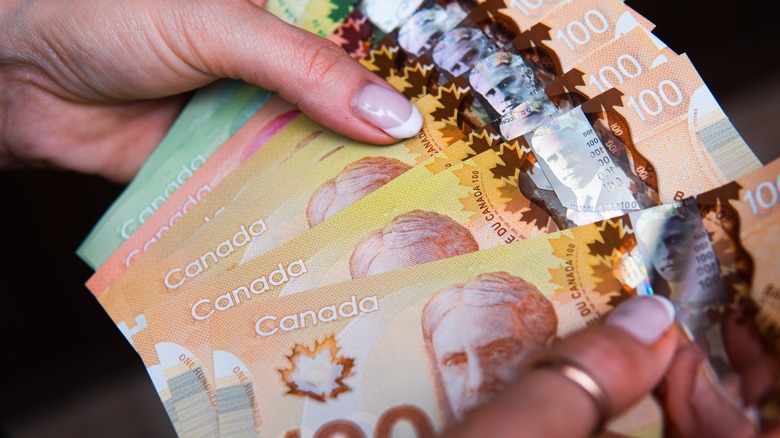
USD per unit: 0.73
Avg Inflation: 3.44%
Value Score: 5
Inflation Score: 8
Final Score: 6.5
Nicknamed the "loonie," the Canadian dollar remains one of the strongest in the world regarding its value versus the U.S. dollar and its spending power. The Canadian dollar is worth slightly less than the USD, equaling about 0.73 for every dollar. This relative stability is reinforced by limited inflation, compared to the rest of the world. Although many other nations on this list fared better over the past five years, the Canadian dollar faced an average annual inflation rate of 3.44%, according to the International Monetary Fund.
The northern country's wealth of raw materials has played a large role in propping up its currency, leading to the Canadian dollar being considered a commodity currency. Adding to the loonie's strength is the inclusion of the country's dollar as a fixture on foreign exchange reserves, underscoring its global demand. While overshadowed by its dominant Southern neighbor, the CAD is among the most trusted currencies in the world, especially in Asia, Europe, and North America.
Australian Dollar (AUD)
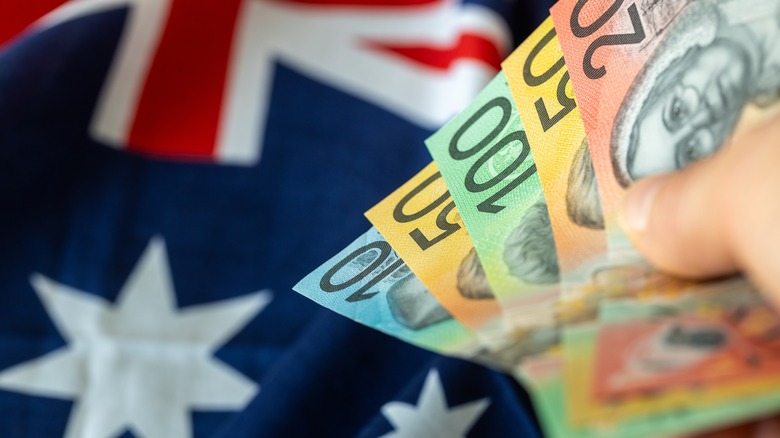
USD per unit: 0.66
Avg Inflation: 3.81%
Value Score: 5
Inflation Score: 8
Final Score: 6.5
The Australian dollar is another example of the world's strongest currencies. At 0.66 USD per unit, you'll get about $0.66 for every Australian dollar. As you can tell by the currency's value versus inflation scores, it's done much better at maintaining buying power than it has at maintaining strength relative to the dollar. Between 2020 and 2024, the currency has skirted by with a yearly average inflation of 3.81%, performing better than the U.S. dollar but not quite as good as the Canadian dollar, per the International Monetary Fund.
According to the Reserve Bank of Australia, the country's rich natural resources have supported a robust currency. With a large landmass and a treasure trove of sought-after raw materials, a solid chunk of Australia's exports is commodity-based, leading many to consider it another commodity currency. This beneficial economic posture has resulted in an upward surge of the currency's demand and value as more countries seek to do business with the country. The central bank's policies regarding interest rates also promote a strong currency, with a positive exchange rate compared to even the most powerful currencies.
Israeli Shekel (ILS)
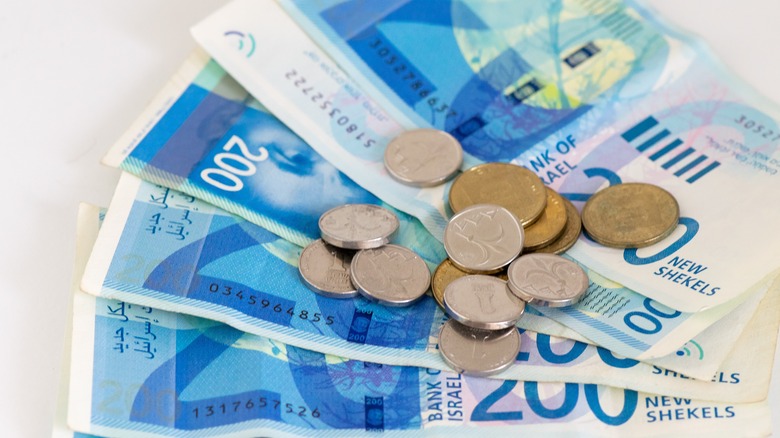
USD per unit: 0.31
Avg Inflation: 2.52%
Value Score: 3
Inflation Score: 8
Final Score: 5.5
Israel's modern shekel was actually designed as a complete replacement of an earlier version that was marred by hyperinflation. Fortunately, the current iteration has performed much better than its predecessor, even throughout the economic turmoil of the prior five years. While other countries experienced sky-high rates, Israel kept a lid on inflation, which averaged 2.52% annually from 2020 to 2024, per the International Monetary Fund. The total rate for this timeframe was only 12.61%. Today, the shekel is worth about 0.31 U.S. dollars. What the shekel lacks in comparative value to the greenback, it more than makes up for in sustained buying power.
The Bank of Israel has been a central pillar of the country's currency strength, owing to the institution's shrewd fiscal policies. Interest rates have remained elevated, placing significant pressure on inflation, allowing the shekel to store more value over time. In turn, these raised interest rates appeal to international investors, driving up the currency's demand. Israel's famed technology industry is another element of the currency's stronghold by providing a firm undergirding for the broader economy. Technology is taking a more central role since the end of the war in Israel has meant fewer profits for the world's biggest arm dealers.
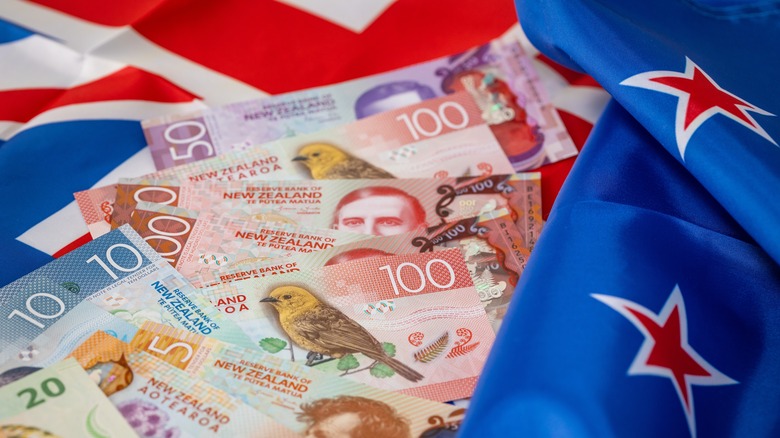
New Zealand Dollar (NZD)
USD per unit: 0.58
Avg Inflation: 4.29%
Value Score: 4
Inflation Score: 6
Final Score: 5.0
The New Zealand dollar might land at the bottom of this list, but it remains among the top 10% of the world's strongest currencies. According to our analysis, this currency ranks average on both relative value against the USD and sustained purchasing strength, when directly compared to other leading currencies. A single New Zealand dollar equals 0.58 U.S dollars, which isn't competitive on this list, yet remains a strong global currency. Per the International Monetary Fund, an average annual inflation rate of 4.29% from 2020 to 2024 means the New Zealand currency maintained decent buying power despite rising global levels of inflation.
New Zealand's small stature and remote location didn't portend a modern economy with a wealthy currency. Yet, the island country has surpassed expectations through proactive modernization efforts. Once characterized by a small agricultural sector, the local economy has diversified into tourism and technology, further supporting the currency. Since a decent portion of the local markets are reliant upon exports, the New Zealand dollar is heavily tied to the value of goods sold internationally. Beyond market impact, the dollar's value is shored up by central bank interest rates, which have historically been implemented to keep inflation low.